
Articles
Why Cars Erupt in Fire: Exploration of Causes and Prevention


Car fires are an alarming and potentially life-threatening occurrence that can happen suddenly and cause devastating damage.
Understanding why cars erupt in fire is essential for vehicle owners and passengers alike, as it highlights the importance of proper maintenance and vigilance.
In this article, we will explore the common causes of car fires, the warning signs to watch for, and preventive measures to reduce the risk.
Common Causes of Car Fires
- Fuel System Leaks: One of the leading causes of car fires is a fuel system leak. Gasoline and diesel are highly flammable substances, and even a small leak can pose a serious risk. If fuel comes into contact with a hot surface, such as the engine or exhaust system, it can ignite. Damaged fuel lines, loose connections, or worn-out seals are often the culprits behind these leaks.
- Electrical Malfunctions: Modern vehicles are equipped with complex electrical systems, which can sometimes malfunction and cause fires. Faulty wiring, short circuits, or overloaded circuits can generate excessive heat, potentially igniting surrounding materials. For example, a poorly installed aftermarket accessory like a stereo system or dash camera can strain the electrical system and lead to fire hazards.
- Overheated Engines: Overheating is another common reason why cars catch fire. When an engine overheats, it can cause oil, coolant, or other fluids to overheat and spill onto hot engine components. This can lead to combustion, especially if the vehicle has existing leaks or damaged seals.
- Accidents and Collisions: Severe accidents can rupture a car’s fuel tank or puncture fuel lines, leading to fires. Collisions can also damage electrical systems, causing sparks that may ignite flammable materials. Cars involved in high-speed crashes are particularly vulnerable to fires due to the combination of fuel leakage and exposed wiring.
- Catalytic Converter Issues: Catalytic converters are designed to reduce harmful emissions by burning off excess gases. However, if the converter becomes clogged or overheated, it can reach extremely high temperatures. This heat can ignite nearby materials, such as oil, grease, or debris trapped under the car.
- Fluid Leaks: Besides fuel, cars use various flammable fluids, including oil, transmission fluid, brake fluid, and power steering fluid. Leaks from these systems can drip onto hot engine parts or exhaust components, creating a fire risk. Regular maintenance and inspections can help identify and address these issues before they escalate.
- Human Error: Human error, such as smoking inside the car, improperly handling flammable liquids, or leaving combustible materials in the vehicle, can also lead to fires. Additionally, neglecting regular maintenance or ignoring warning signs can increase the likelihood of a fire.
Warning Signs of a Potential Car Fire
Being aware of warning signs can help prevent a car fire before it happens. Some of the key indicators include:
- Strong fuel odor: A persistent smell of gasoline or diesel may indicate a fuel leak.
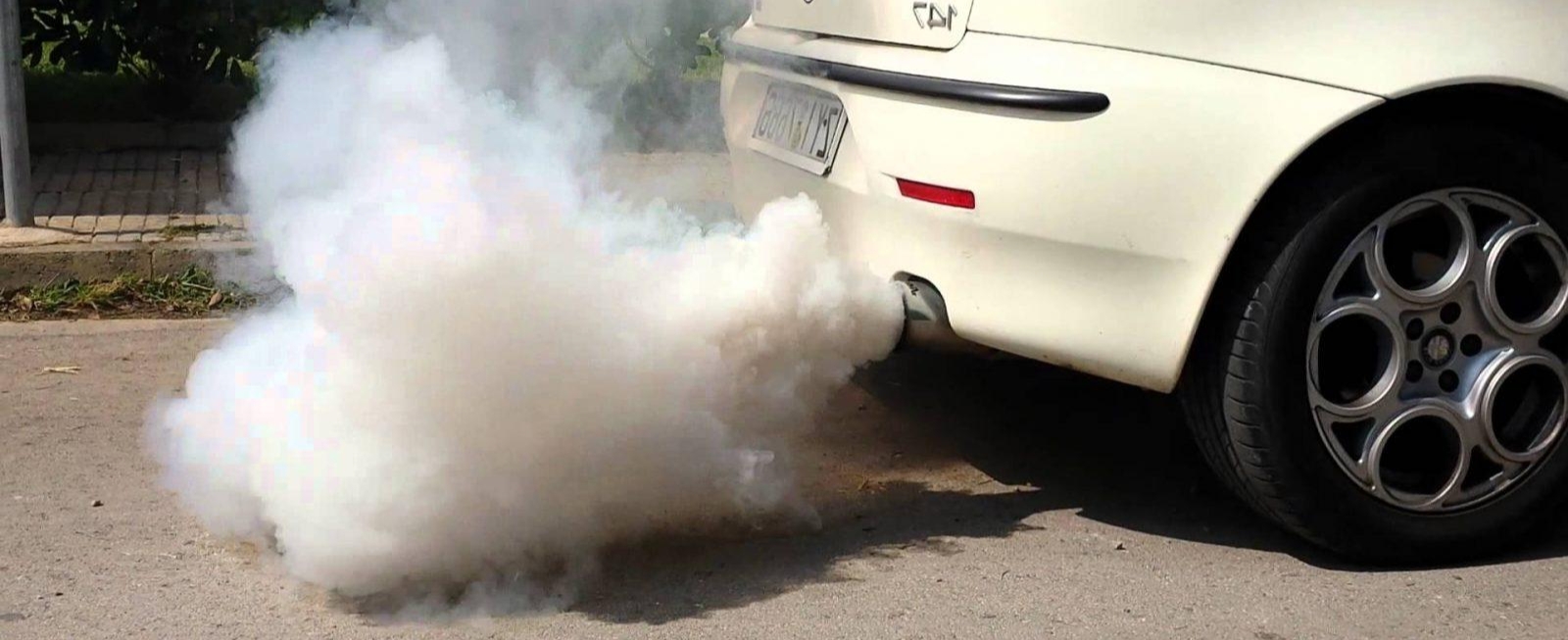
- Smoke from the hood or exhaust: Smoke is often a sign of overheating or fluid leakage.
- Burning smell: The scent of burning rubber, plastic, or oil may signal overheating components.
- Electrical issues: Flickering lights, blown fuses, or malfunctioning electronics could point to wiring problems.
- Unusual noises: Grinding, popping, or other strange sounds may indicate a mechanical failure.
If you notice any of these warning signs, it is crucial to stop driving immediately, turn off the engine, and seek professional assistance.
Preventive Measures to Reduce Car Fire Risks
Prevention is the best way to avoid the dangers of a car fire. Here are some practical steps to minimize risks:
- Regular Maintenance: Schedule routine maintenance checks with a certified mechanic. This includes inspecting the fuel system, electrical wiring, and fluid levels. Replace worn-out parts promptly to avoid potential hazards.
- Address Fluid Leaks: Regularly check for leaks under your car. If you spot any puddles or drips, have them inspected and repaired as soon as possible.
- Avoid Overloading Electrical Systems: Be cautious when adding aftermarket accessories like subwoofers or dash cameras. Ensure they are installed by professionals who understand your vehicle’s electrical system to prevent overloads or short circuits.
- Keep the Engine Cool: Monitor your car’s temperature gauge and coolant levels. If your car overheats frequently, have it inspected for underlying issues such as a faulty radiator or water pump.
- Practice Safe Driving: Drive cautiously to avoid collisions that could lead to fires. Obey traffic laws and maintain a safe distance from other vehicles.
- Carry a Fire Extinguisher: Equip your car with a fire extinguisher rated for automotive use. In the event of a small fire, this can help prevent it from spreading until emergency services arrive.
What to Do If Your Car Catches Fire
If your car erupts in fire, follow these steps to ensure your safety:
- Pull Over Safely: Stop the car in a safe location, away from other vehicles or buildings.
- Turn Off the Engine: Shutting off the engine will cut off the fuel supply, potentially slowing the fire.
- Exit the Vehicle: Get everyone out of the car immediately and move to a safe distance.
- Call Emergency Services: Dial emergency services for help and provide them with your location.
- Do Not Open the Hood: Opening the hood can supply oxygen to the fire, causing it to spread rapidly.
Car fires can have devastating consequences, but they are often preventable with proper care and attention. By understanding the common causes, recognizing warning signs, and following preventive measures, vehicle owners can significantly reduce the risk of a car fire. Regular maintenance, safe driving practices, and preparedness can go a long way in keeping you and your passengers safe. Remember, safety always comes first, never ignore potential hazards or warning signs.





Bad Vehicle Maintenance: The Silent Killer on Roads Worldwide

Bad Roads Investigation: How Poor Infrastructure Is Causing Global Road Crashes

One Dead After Vehicle Collides With Train in United States

Social Media Influencer Dies After Losing Control on French Motorway

Sixteen Killed in Fiery Bus–Truck Collision in Yemen

Hazardous Truck Crash Spills Asbestos on Major Highway in Australia

FRSC Deploys Mobile Speed Enforcement Units Across Nigerian Highways
Three Dead in Multi-Vehicle Crash on Lagos–Ibadan Expressway

Fatal Nigeria Crashes — Adamawa & Lagos Raise Fresh Road Safety Concerns

Delhi Introduces Safety Reward Scheme for Citizens Who Assist Road Accident Victims
Three Killed in Multi-Vehicle Crash in Northern Ireland

Fatal Drunk Driving Crash Claims Woman’s Life on Clay Road

How Turkey Is Using Real Wrecked Cars to Warn Drivers

Lansdale Residents Lead Local Road Safety Initiative to Protect Community
Motorcyclist Crash Shuts Down M40 Motorway in UK, Causes Major Traffic Disruption

Senior Police Officer Dies in Fatal Road Crash in Borno
Delhi Introduces Safety Reward Scheme for Citizens Who Assist Road Accident Victims

LASTMA Rescues 1,075 Crash Victims, Impounds Over 17,000 Vehicles
Sixteen Killed in Fiery Bus–Truck Collision in Yemen

Indiana Senate Advances Trucking Oversight Bill to Improve Road Safety

Slow Down: Man got his Family Killed by neglecting road signs

Which Bridge is the Tallest in the World?
Impatient Driving Cause Road Accident
How Roads are Constructed on the Mountain

Texas, USA suffers heavy flooding