
Articles
How to Make Your Car Smell Nice


A car is more than just a vehicle, it can be an extension of your personal space and style. However, after long drives, road trips, or simply the day-to-day commute, your car may start to develop unpleasant odors.
Whether it’s lingering food smells, stale air, or the mustiness that comes from frequent use, keeping your car smelling nice is not only a matter of comfort but also part of maintaining a pleasant driving experience.
In this article, we’ll take an in-depth look at how to make your car smell fresh and inviting.
From quick fixes to long-term solutions, we’ll cover all the tips and tricks you need to enjoy a pleasant-smelling ride, every time.
1. Start with a Thorough Cleaning
Before adding any fragrance to your car, the first step is to eliminate the sources of bad odors. Thorough cleaning is essential for keeping your car smelling fresh over time.
Vacuum the Interiors
Dirt, dust, and food crumbs can accumulate in your car’s upholstery, carpets, and floor mats, causing bad odors to fester.
Start by vacuuming every corner of your car—under the seats, in the crevices of the seats, and even in the trunk.
A handheld vacuum or a car-specific vacuum with multiple attachments can help reach tight spots.
Wash Floor Mats and Upholstery
Your car’s floor mats and seats are two of the most common areas where smells develop, particularly if they’ve been exposed to spills, mud, or sweat.
If you have fabric seats, consider using a fabric cleaner or shampoo. For leather seats, wipe them down with a cleaner that is specifically designed for leather, followed by a conditioner to keep them soft and smelling good.
Rubber or vinyl floor mats can be easily scrubbed with soap and water, while fabric mats may need to be machine washed or shampooed.
Let the mats dry thoroughly before placing them back in the car to avoid mustiness.
Clean the Dashboard, Vents, and Console
Dust and grime can accumulate on the dashboard, steering wheel, and console, which can contribute to an overall musty odor.
Use a microfiber cloth and an all-purpose cleaner to wipe down these surfaces. Be sure to clean around the air vents as well, as dirt and debris trapped here can affect the air quality inside your vehicle.
2. Check the Air Conditioning System
The air conditioning system can be a major culprit in producing bad smells in a car.
If your car’s AC gives off a moldy or stale odor when turned on, it may be time to clean or replace the cabin air filter.
Over time, this filter can accumulate dust, pollen, and mold, which can result in unpleasant odors circulating through your car.
Replacing a cabin air filter is usually straightforward, but if you’re unsure, consult your car’s manual or take it to a professional for a quick change.
In addition to replacing the filter, spraying a disinfectant or AC cleaner into the air intake vents can help eliminate any lingering bacteria or mold in the system.
3. Use Air Fresheners
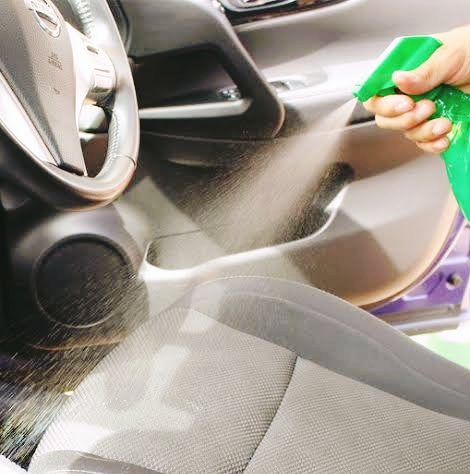
Once you’ve deep cleaned your car, it’s time to add a pleasant scent. Car air fresheners are one of the easiest and most popular ways to make your car smell good.
There are a variety of air freshener options, so choose the one that works best for you:
- Hanging Air Fresheners: These are often shaped like trees and hang from the rearview mirror. They provide a noticeable fragrance but may not last as long as other types.
- Vent Clip Fresheners: These clip onto your air conditioning vents and release fragrance when the air is turned on. They tend to last longer than hanging fresheners and can be more subtle in scent.
- Gel Fresheners: These can be placed in cup holders or other compartments and release a steady fragrance over time. Gels often last for several weeks.
- Sprays: A quick burst of air freshener spray can immediately freshen up your car, but the effect may not last long. Sprays are ideal for short-term fixes.
4. Try Natural Deodorizers
If you prefer a more natural approach to freshening your car, there are plenty of alternatives to chemical-based air fresheners.
Essential Oils
Essential oils are an excellent option for a natural and long-lasting fragrance. You can create your own car diffuser by placing a few drops of your favorite essential oil (like lavender, eucalyptus, or peppermint) onto a cotton ball or a small piece of fabric. Place the cotton ball in a cup holder or under your seat for a gentle, continuous scent.
Alternatively, you can purchase an essential oil diffuser that plugs into your car’s 12-volt outlet. This allows the scent to diffuse more evenly throughout the vehicle.
Baking Soda
Baking soda is a natural odor neutralizer and can be used to absorb bad smells. Sprinkle baking soda on your car’s upholstery and carpets, leave it to sit for 15–30 minutes, and then vacuum it up.
For ongoing freshness, you can leave an open box of baking soda under a seat or in the trunk.
- Charcoal Bags
Activated charcoal is another effective odor absorber. Charcoal bags can be placed under seats, in cup holders, or in the trunk to soak up unpleasant odors and keep the air fresh.
These bags typically last for a few months and can be “recharged” by leaving them in the sun.
5. Address Specific Odors
Some odors may be more persistent, such as smoke, pet smells, or mildew. Here’s how to tackle them:
Smoke Odor
Cigarette smoke can be one of the hardest odors to remove from a car. To neutralize smoke, you may need to do a deep clean of the entire interior, including the upholstery, carpets, and ceiling. Using a smoke-specific odor neutralizer spray or an ozone generator (which can be rented from some car detailers) can help break down smoke particles.
Pet Odor
If you frequently travel with pets, their smell can linger in the car. Start by vacuuming up pet hair and dander. Then, use a pet-safe fabric cleaner on the seats and carpets. A vinegar and water solution can also help neutralize pet odors, especially if they’ve had an accident in the car.
Mildew
Mildew usually develops when moisture gets trapped in the car, often due to a leak or wet floor mats. To eliminate mildew smells, first identify the source of moisture and fix any leaks.
Then, clean and dry the affected areas. If mildew has set into the seats or carpet, you may need to use a commercial mold and mildew cleaner or a vinegar solution to kill the spores.
6. Maintain Freshness
Once your car is smelling fresh, maintain it by keeping up with regular cleaning. Dispose of trash, food wrappers, and drink containers as soon as you’re done with them, and wipe down surfaces periodically to prevent dust buildup.
Additionally, keep a small air freshener or deodorizer in the car at all times, and consider using fabric protectors on your seats and carpets to prevent spills from seeping in.
Maintaining a pleasant-smelling car takes a bit of effort, but with the right cleaning habits and the use of air fresheners or natural deodorizers, you can ensure your vehicle always smells fresh and inviting.
Whether you prefer the convenience of commercial air fresheners or a more natural approach, the key is consistency regular cleaning and odor prevention go a long way in making your car a more enjoyable space.

Five Die as Truck, Car Collide on Badagry Expressway

Two Killed as Trucks Collide, Burst Into Flames on Anambra Road

Stakeholders Raise Alarm Over Safety Gaps in Nigeria’s CNG and Electric Vehicle Transition

Female Driver Dies in Tragic Road Crash at Mongoro, Ile-Zik Area of Lagos

Physically Challenged Beggar Killed in Multi-Vehicle Crash on Lagos-Ibadan Expressway

Court Bars FRSC Officials From State Roads

24 Pupils Killed in Tragic Bus Crash During School Excursion in Uganda

Tyre Blowouts on Heavy Trucks

BYD Seal EV: Can It Challenge Traditional Sedans?

Colorado to Strengthen Driver Education Requirements

Slow Down: Man got his Family Killed by neglecting road signs

Which Bridge is the Tallest in the World?
Impatient Driving Cause Road Accident
How Roads are Constructed on the Mountain

Texas, USA suffers heavy flooding