
Car/Vehicle Maintenance
7 ways to know a bad spark plugs

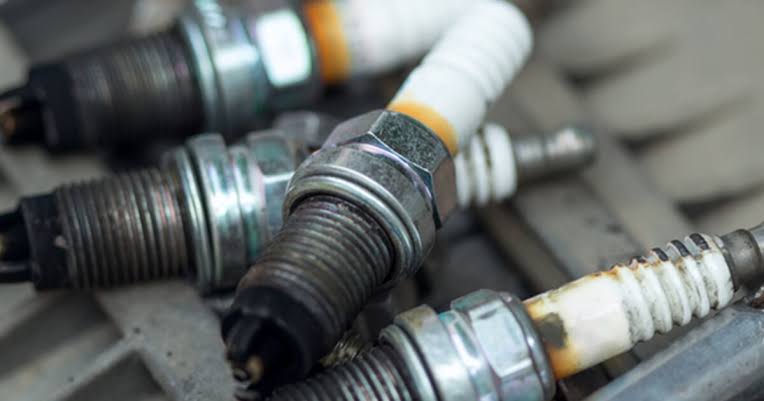
Spark plugs, though small in size, play a pivotal role in the proper functioning of a car’s engine.
When these components are compromised and become faulty, the consequences can be detrimental to the overall performance and efficiency of the vehicle.
Let’s delve into the various effects of bad spark plugs on a car.
1. Engine Misfires
One of the primary indicators of bad spark plugs is engine misfires.
When a spark plug fails to generate a proper spark or does so intermittently, it can lead to incomplete combustion of the air-fuel mixture.
This results in engine misfires, causing a noticeable reduction in power, rough idling, and overall poor performance.
2. Reduced Fuel Efficiency
Faulty spark plugs contribute to inefficient combustion, leading to decreased fuel efficiency.
When the air-fuel mixture is not ignited consistently or properly, fuel is wasted, and the engine has to work harder to maintain performance.
This increased workload results in higher fuel consumption, ultimately reducing the car’s miles per gallon (MPG).
3. Difficulty Starting the Engine
Bad spark plugs can make it challenging to start the engine, especially in cold conditions.
A weakened spark or the absence of a spark altogether hinders the ignition process.
This can manifest as prolonged cranking times, rough starts, or, in severe cases, an engine that fails to start altogether.
4. Poor Acceleration and Power Loss
As misfires occur due to bad spark plugs, the overall acceleration and power of the vehicle are adversely affected.
The engine struggles to generate the necessary power, resulting in sluggish acceleration and an overall reduction in driving performance.
5. Increased Emissions
Inefficient combustion caused by bad spark plugs can lead to higher emissions of unburned fuel and pollutants.
This not only contributes to environmental pollution but may also result in a failed emissions test, as the vehicle exceeds the allowable emission limits.
6. Potential Engine Damage
Prolonged neglect of bad spark plugs can lead to more severe consequences, including damage to other engine components.
Incomplete combustion may cause excessive carbon buildup on the spark plugs and within the combustion chamber, further impacting engine efficiency and potentially causing long-term damage.
7. Overheating Issues
Faulty spark plugs may contribute to engine overheating.
Inefficient combustion can lead to an imbalance in the engine’s heat dissipation, causing temperatures to rise.
Over time, this can lead to more significant issues, including damage to the engine’s internal components.
In summary, the effects of bad spark plugs on a car are far-reaching and impact various aspects of its performance.
Regular maintenance, including timely inspection and replacement of spark plugs, is crucial to ensure the proper functioning of the engine, maintain fuel efficiency, and prevent potential damage.
Ignoring the signs of bad spark plugs can lead to more extensive and costly repairs in the long run.












5 Dangerous Reasons Drivers Fall Asleep Behind the Wheel

Young Female Driver Trapped After Early Morning Crash in Buies Creek

Motorcyclist Killed in High-Speed Collision Involving SUV in Dunn Area

Multiple Feared Dead After Horrific Bus-Tanker Collision in India

Tourist Bus Rollover on Australia’s Bruce Highway Kills Passenger, Several Injured

Global Road Safety Concerns Intensify After Multiple Deadly Crashes Across Continents

U.S. Traffic Deaths Decline in 2025 But Dangerous Driving Still Alarms Experts

16 Killed as Passenger Bus Plunges Under Bridge Along Lokoja-Okene Highway

Florida Horror Crash Leaves 3 Dead, 5 Critically Injured in Head-On Collision on State Road 40

4 CRUTECH Students, Driver Killed in Fatal Cross River Crash

Slow Down: Man got his Family Killed by neglecting road signs

Which Bridge is the Tallest in the World?
Impatient Driving Cause Road Accident
How Roads are Constructed on the Mountain

Texas, USA suffers heavy flooding