
Crash News
Two Riders Killed After Motorcycle Collides With Stray Animal on Highway

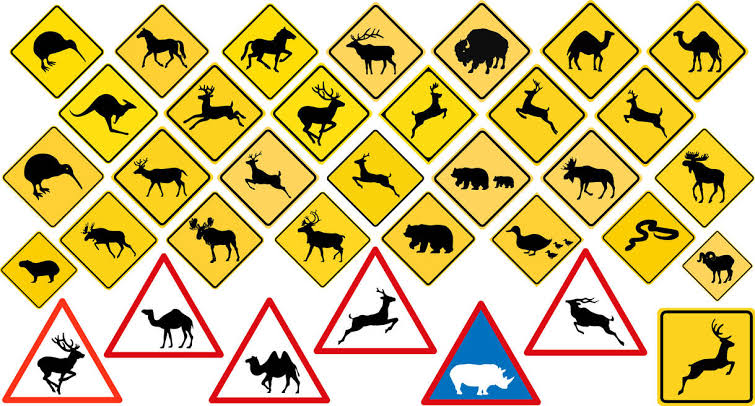
Two motorcycle riders have lost their lives in a fatal road crash in India after their motorcycle reportedly collided with a stray animal that suddenly crossed a highway, authorities confirmed on Monday.
Also Read:
- Speeding Car Rams Into E-Rickshaw and Cyclist, Killing Three in Chandigarh
- Motorcyclist Crash Shuts Down M40 Motorway in UK, Causes Major Traffic Disruption
- Delhi Road Safety Experts Advocate 30 km/h Limits in High-Risk Zones
The tragic incident occurred late at night along a busy intercity roadway, highlighting once again the growing danger posed by uncontrolled animals on major transport routes across developing nations.
According to preliminary police reports, the victims were traveling at moderate speed when a stray animal believed to be cattle unexpectedly entered the roadway.
With little reaction time available, the motorcycle struck the animal directly, throwing both riders violently onto the asphalt.
Emergency responders arrived shortly after the crash but confirmed that both riders sustained severe head and internal injuries and died at the scene.
Stray Animals: A Silent but Deadly Road Hazard
Road safety officials say crashes involving stray animals remain one of the most underestimated causes of fatal motorcycle accidents across parts of Asia and Africa.
Unlike vehicle-to-vehicle collisions, animal-related crashes often occur suddenly and without warning.
Motorcyclists are particularly vulnerable due to limited physical protection compared to occupants of enclosed vehicles.
Transport authorities in several Indian states have repeatedly warned that highways passing through rural or semi-urban communities face increased risks from freely roaming livestock, especially during nighttime when visibility drops significantly.
Experts note that animals tend to wander onto warm road surfaces after dark, increasing collision risks for fast-moving vehicles.
Why Motorcyclists Face Higher Fatality Risk
Safety analysts explain that motorcycle crashes involving obstacles including animals frequently result in fatal outcomes due to:
- Direct rider exposure during impact
- Loss of balance at high speed
- Secondary impact with pavement or other vehicles
- Limited nighttime visibility
- Lack of protective riding gear
Investigators believe the riders had minimal opportunity to brake or maneuver safely before impact.
Recurring Global Safety Concern
Animal-related crashes are not limited to India alone. Similar incidents have been recorded across Nigeria, Kenya, and parts of Southeast Asia, where livestock management near highways remains poorly enforced.
In Nigeria, road users frequently encounter goats, cattle, and dogs along major corridors such as the East-West Road and several federal highways, a situation road safety advocates warn could lead to comparable tragedies if urgent preventive measures are not adopted.
Calls for Preventive Infrastructure
Following the crash, safety experts are urging authorities to introduce stronger countermeasures, including:
- Highway fencing in high-risk zones
- Reflective animal warning systems
- Improved rural livestock control policies
- Speed-calming measures near settlements
- Enhanced nighttime road illumination
Some countries are also testing intelligent detection systems capable of alerting drivers when large animals approach roadways.
Road Safety Lesson for Drivers and Riders
The incident serves as another reminder that road dangers extend beyond human error. Environmental and infrastructural risks, including stray animals remain major contributors to preventable deaths.
Motorcyclists are advised to:
- Reduce speed on poorly lit roads
- Use high-visibility headlights
- Maintain safe stopping distance
- Wear certified helmets and protective gear
- Exercise extreme caution in rural corridors
RoadKing.ng Safety Insight
Animal intrusion on highways represents a predictable but preventable risk. Without coordinated enforcement, public awareness, and infrastructure investment, such crashes will continue claiming lives unnecessarily.
For countries experiencing rapid road expansion, integrating animal-control measures into highway planning is becoming as critical as traffic enforcement itself.





Delhi Introduces Safety Reward Scheme for Citizens Who Assist Road Accident Victims

Major Multi-Vehicle Collision Shuts Down M25 in Both Directions

Rollover Crash Closes Southbound I‑280 Entrance Ramp in Toledo

Indiana Senate Advances Trucking Oversight Bill to Improve Road Safety

Lansdale Residents Lead Local Road Safety Initiative to Protect Community

Fatal Drunk Driving Crash Claims Woman’s Life on Clay Road
Two Bodies Found in Burnt Vehicle After Fatal Road Crash in Scotland

Two Riders Killed After Motorcycle Collides With Stray Animal on Highway

Several Injured After Lorry Rams Into Passenger Bus on Thika Road, Kenya

LASTMA Rescues 1,075 Crash Victims, Impounds Over 17,000 Vehicles

Three Killed in Multi-Vehicle Crash in Northern Ireland

How Turkey Is Using Real Wrecked Cars to Warn Drivers
Fatal Drunk Driving Crash Claims Woman’s Life on Clay Road
Motorcyclist Crash Shuts Down M40 Motorway in UK, Causes Major Traffic Disruption
Lansdale Residents Lead Local Road Safety Initiative to Protect Community

Senior Police Officer Dies in Fatal Road Crash in Borno
LASTMA Rescues 1,075 Crash Victims, Impounds Over 17,000 Vehicles
M11 Motorway Shut After Double Crash Near Stansted Airport
Three Killed in Abeokuta–Lagos Expressway Truck Crash
Several Injured After Lorry Rams Into Passenger Bus on Thika Road, Kenya

Slow Down: Man got his Family Killed by neglecting road signs

Which Bridge is the Tallest in the World?
Impatient Driving Cause Road Accident
How Roads are Constructed on the Mountain

Texas, USA suffers heavy flooding