
Safety Mapping
Dashcams: How Video Evidence Is Changing Road Safety and Law


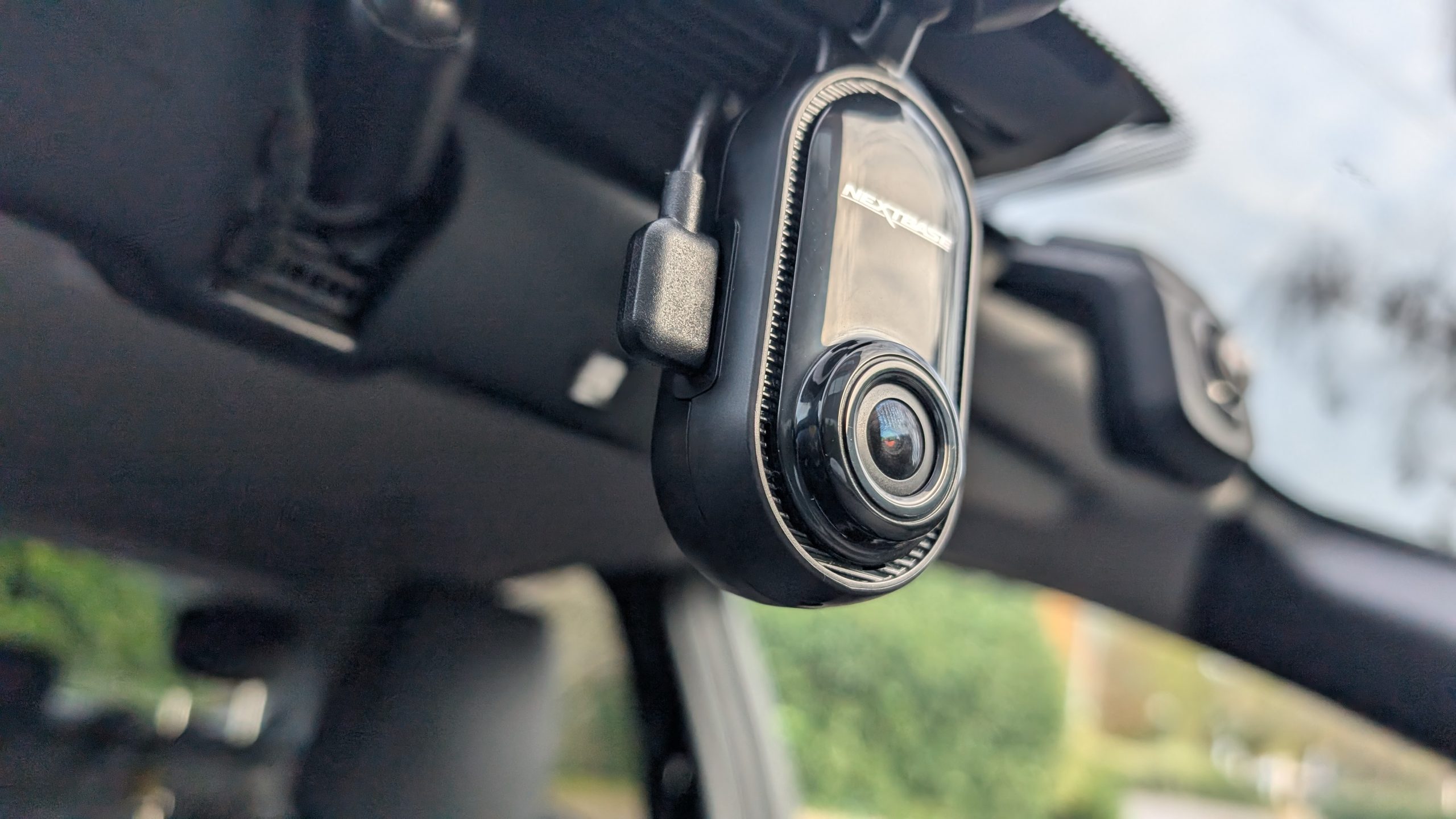
Not long ago, dashboard cameras commonly known as dashcams were considered niche gadgets, mostly used by police officers or car enthusiasts. Fast forward to today, and they’ve become one of the fastest-growing automotive accessories worldwide.
 Also Read: The Hidden Cost of Overloading: How Nigeria’s Trucks and Buses are Destroying Roads and Lives
From everyday commuters to rideshare drivers and long-haul truckers, millions of drivers now rely on dashcams as silent witnesses on the road.
But dashcams aren’t just trendy tech, they’re transforming how we understand accidents, assign fault, and even prevent crashes. Insurance companies, law enforcement, and even courts increasingly rely on dashcam footage as a crucial form of evidence. For drivers, these small devices can mean the difference between unfair blame and justice.
This article explores the rapid rise of dashcams, their role in promoting safer roads, and how they’re reshaping the legal landscape.
Why Dashcams Are Growing in Popularity
The global dashcam market has exploded in recent years, with analysts projecting billions in annual sales. Several factors are driving adoption:
- Affordability: Quality dashcams are now available for under $100, making them accessible to average drivers.
- Insurance Benefits: Some insurers offer discounts to customers who install dashcams.
- Peace of Mind: Drivers feel safer knowing there’s an impartial witness recording every trip.
- Social Media: Viral videos of accidents, near misses, and road rage incidents highlight the usefulness of dashcams, further fueling demand.
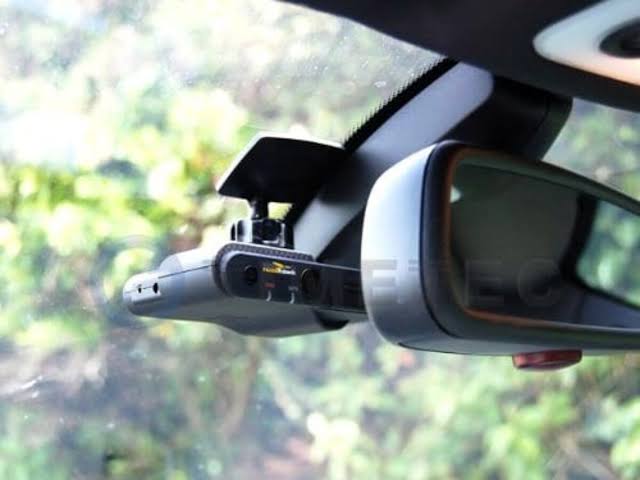 In short, dashcams have shifted from being luxury gadgets to essential tools for modern drivers.
Dashcams as Silent Witnesses
When an accident occurs, stories often conflict. One driver claims the other ran a red light, while the other insists otherwise. Without objective evidence, fault can become a matter of “he said, she said.”
Dashcams solve this problem. By recording every second of a drive, they provide:
- Clear visual evidence of traffic signals, speed, and road conditions.
- Audio recordings of conversations or environmental sounds (in some models).
- Timestamped proof that can stand up in legal or insurance disputes.
A short clip of video can eliminate ambiguity, turning complex cases into straightforward ones.
Changing the Insurance Game
Insurance companies are among the biggest beneficiaries of dashcam adoption.
Fraud Prevention
“Crash for cash” scams where criminals intentionally cause accidents to claim insurance payouts are on the rise globally. Dashcams make these schemes much harder to pull off.
Faster Claims Processing
Instead of lengthy investigations, insurers can quickly review footage to determine fault. This speeds up claims and reduces administrative costs.
Reduced Premiums
Some companies now incentivize dashcam use by offering lower premiums, knowing that policyholders with cameras present less risk of fraud and dispute.
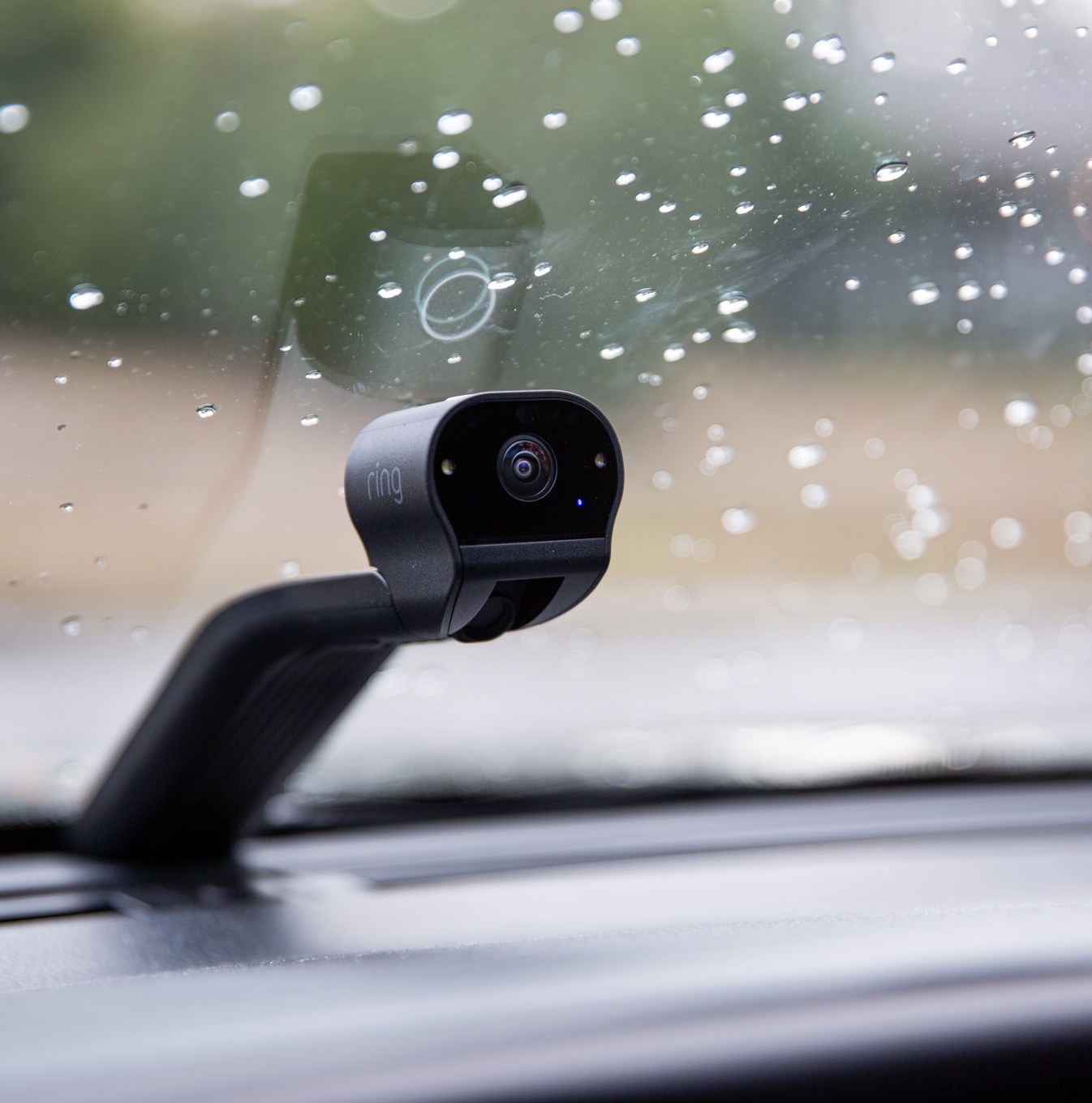 In markets like the UK and Russia, dashcams are already considered almost standard for insurance purposes.
Impact on Law and Order
Dashcam footage isn’t just useful for insurers, it’s revolutionizing law enforcement and the courtroom.
Traffic Violations
- Police can use dashcam recordings to confirm reckless driving, speeding, or illegal lane changes.
- In some jurisdictions, drivers can submit footage directly to authorities to report dangerous behavior.
Criminal Investigations
Dashcams have helped solve crimes far beyond traffic violations, including robberies, assaults, and even kidnappings captured by chance.
Court Evidence
In civil and criminal cases, dashcam videos often serve as primary evidence. Courts tend to view such recordings as highly reliable, provided they are time-stamped and unaltered.
This trend is particularly strong in regions with high rates of contested accidents, where courts are eager for objective proof.
Improving Road Safety
Beyond legal disputes, dashcams indirectly make roads safer.
Behavior Change
Knowing they are being recorded, drivers may be more cautious and less likely to engage in reckless behavior.
Public Accountability
Viral dashcam videos of road rage, drunk driving, or dangerous stunts create social pressure for safer driving habits.
Fleet and Rideshare Safety
Companies like Uber, Lyft, and major trucking firms encourage or require dashcams to protect both drivers and passengers. This helps prevent false claims and deters misconduct.
In this way, dashcams contribute to a cultural shift toward accountability on the road.
Privacy and Ethical Concerns
Despite their benefits, dashcams raise important privacy questions.
- Recording in Public: In most countries, it’s legal to record public roads. But capturing conversations or people without consent may violate privacy laws.
- Data Security: Many dashcams upload footage to the cloud, raising concerns about hacking or misuse of personal data.
- Surveillance Culture: Some critics argue widespread dashcam use contributes to a society where constant monitoring is normalized.
Balancing safety benefits with privacy rights remains an ongoing debate.
Global Trends in Dashcam Use
Dashcams are popular worldwide, but their adoption varies by region:
- Russia: Dashcams are nearly universal due to rampant insurance fraud and unreliable witness testimony. Many viral “crazy Russian driving” videos come from dashcams.
- United States: Growing rapidly, especially among truckers and rideshare drivers. Some states have laws governing dashcam placement to avoid obstructing the windshield.
- Europe: Adoption varies, with countries like the UK embracing dashcams, while Germany enforces stricter privacy rules.
- Asia: Countries like South Korea and Japan lead in innovation, with dashcams that integrate GPS, AI, and even driver-monitoring systems.
The global trend is clear: dashcams are becoming the norm, not the exception.
The Future of Dashcam Technology
The next generation of dashcams is about more than recording, it’s about integration and intelligence.
AI-Powered Analysis
- Detects distracted or drowsy driving in real time.
- Alerts drivers to potential hazards before accidents occur.
360-Degree Recording
- Multi-camera systems capture the entire environment, eliminating blind spots.
Cloud Connectivity
- Instant uploads of crash footage to insurers or family members.
- Secure backups in case the camera is damaged in a crash.
Integration with Cars
- Some automakers are now building dashcam functionality directly into vehicles.
- Tesla’s “Sentry Mode” is an early example, recording incidents even when the car is parked.
This evolution positions dashcams as not just witnesses, but active participants in road safety.
Conclusion: A Small Device with a Big Impact
The rise of dashcams represents one of the most significant cultural and technological shifts in modern driving. Once optional gadgets, they’re now powerful tools shaping road safety, insurance practices, and even legal systems.
For drivers, a dashcam offers peace of mind protection against fraud, wrongful blame, and uncertainty. For society, it offers a path toward accountability, fairness, and safer roads.
As technology advances, dashcams will likely become standard equipment, just like seatbelts and airbags. Whether you’re a daily commuter, a professional driver, or someone who simply values security, investing in a dashcam may be one of the smartest road safety decisions you can make.
The next time you hit the road, consider letting a dashcam ride shotgun. You may never need the footage but if you do, it could be the difference between doubt and justice.








Five Die as Truck, Car Collide on Badagry Expressway

Two Killed as Trucks Collide, Burst Into Flames on Anambra Road

Stakeholders Raise Alarm Over Safety Gaps in Nigeria’s CNG and Electric Vehicle Transition

Female Driver Dies in Tragic Road Crash at Mongoro, Ile-Zik Area of Lagos

Physically Challenged Beggar Killed in Multi-Vehicle Crash on Lagos-Ibadan Expressway

Court Bars FRSC Officials From State Roads

24 Pupils Killed in Tragic Bus Crash During School Excursion in Uganda

Tyre Blowouts on Heavy Trucks

BYD Seal EV: Can It Challenge Traditional Sedans?

Colorado to Strengthen Driver Education Requirements

Slow Down: Man got his Family Killed by neglecting road signs

Which Bridge is the Tallest in the World?
Impatient Driving Cause Road Accident
How Roads are Constructed on the Mountain

Texas, USA suffers heavy flooding