
Automotive Spotlight & Review
Carloha’s 2026 Nigeria Assembly Plant: Ambition or Another White Elephant?

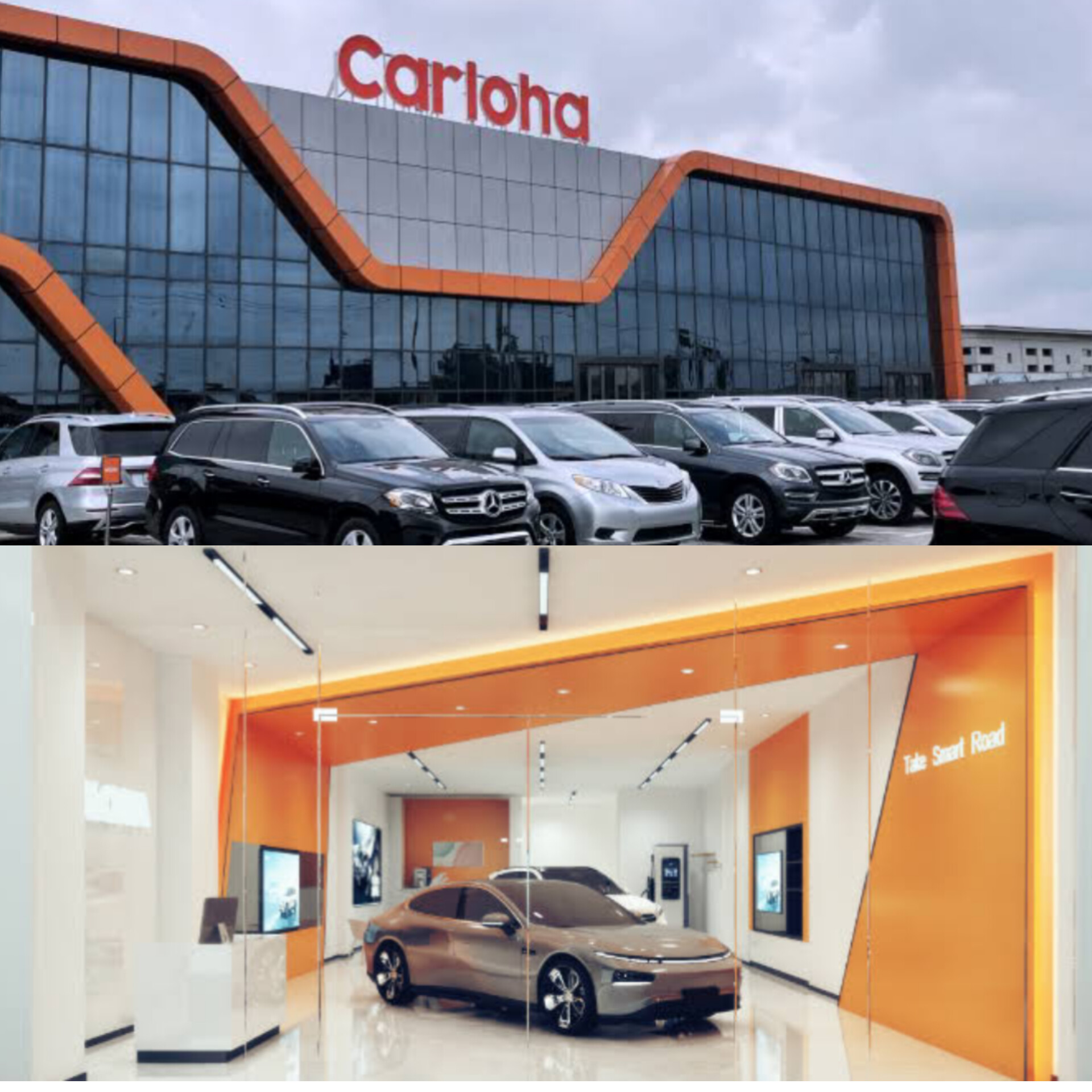
The announcement that Carloha will begin vehicle assembly in Nigeria by 2026 has been met with excitement in some quarters but critics are already asking the tough question: will this actually work, or is it another pipe dream destined to die like so many before it?
Also Read: Exclusive: How Nnewi, Anambra’s Economic Hub Has Become a Symbol of Neglect
Nigeria’s Troubled Auto Ambitions
For decades, Nigeria has made lofty promises about building a thriving automotive industry. Yet, the reality has been a graveyard of failed ventures, abandoned plants, and half-baked “assembly lines” that do little more than screw foreign-made kits together.
Despite policies like the Automotive Industry Development Plan (NAIDP), Nigeria still imports 90% of its vehicles, bleeding foreign exchange and keeping car ownership out of reach for ordinary citizens. What makes Carloha believe it can succeed where others have stumbled?
The Hard Questions Carloha Must Answer
Carloha executives paint a rosy picture of job creation, skills transfer, and affordable cars for Nigerians. But seasoned observers know better, promises are cheap, execution is where the real challenge lies.
- Infrastructure Nightmares: How will Carloha run an efficient assembly plant in a country where power supply is epileptic, roads are cratered, and ports are choked with corruption?
- Policy Flip-Flops: What happens if government suddenly hikes import duties, changes auto policies, or slaps on another round of fuel subsidy cuts? Stability is rare in Nigeria.
- Pricing Reality: Nigerians want affordable cars, but with inflation near 30% and the naira tumbling, will Carloha’s “Made in Nigeria” vehicles actually be any cheaper than imports? Or will they be priced beyond the reach of the average driver?
Lessons from the Past
History is not kind to foreign automakers in Nigeria. Peugeot once thrived in Kaduna, Volkswagen had a Lagos plant, and even Nissan flirted with Nigerian assembly, yet all eventually fizzled out. Today, only Innoson Vehicle Manufacturing (IVM) keeps the local flame alive, but even IVM struggles with supply chain costs and market penetration.
Is Carloha truly ready for the Nigerian terrain, or are they underestimating the beast?
A PR Move or a Genuine Commitment?
Some analysts argue that Carloha’s big 2026 announcement could simply be a branding stunt, a way to boost its profile in Africa without actually committing to large-scale production.
Until Nigerians see the first Carloha car roll out of an assembly plant, skepticism will remain. Nigerians have been sold too many dreams; they’re tired of ribbon-cuttings without results.
The Harsh Truth
If Carloha fails to deliver affordable, durable cars that can withstand Nigeria’s brutal roads and economic realities, their 2026 venture will be just another white elephant project, lots of headlines, little impact.
For now, Carloha’s entry is a bold gamble. But in Nigeria, where policy chaos and infrastructural decay swallow the best of intentions, boldness is never enough.

Five Die as Truck, Car Collide on Badagry Expressway

Two Killed as Trucks Collide, Burst Into Flames on Anambra Road

Stakeholders Raise Alarm Over Safety Gaps in Nigeria’s CNG and Electric Vehicle Transition

Female Driver Dies in Tragic Road Crash at Mongoro, Ile-Zik Area of Lagos

Physically Challenged Beggar Killed in Multi-Vehicle Crash on Lagos-Ibadan Expressway

Court Bars FRSC Officials From State Roads

24 Pupils Killed in Tragic Bus Crash During School Excursion in Uganda

Tyre Blowouts on Heavy Trucks

BYD Seal EV: Can It Challenge Traditional Sedans?

Colorado to Strengthen Driver Education Requirements

Slow Down: Man got his Family Killed by neglecting road signs

Which Bridge is the Tallest in the World?
Impatient Driving Cause Road Accident
How Roads are Constructed on the Mountain

Texas, USA suffers heavy flooding