
Driver Training
How to Safely Drive Through Flooded Streets

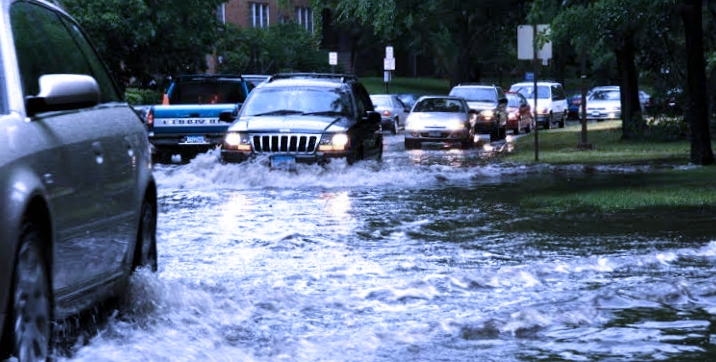
Driving through flooded streets is one of the most dangerous situations drivers can encounter. Flooded roads can lead to stalled engines, loss of traction, and even life-threatening conditions.
According to statistics from the National Weather Service, just six inches of water can cause a vehicle to lose control, and two feet of water can sweep away most cars.
If you find yourself in a situation where you must navigate a flooded street, it’s essential to know how to do so safely and effectively. This guide provides tips and precautions to help you drive through flooded areas without jeopardizing your safety or damaging your vehicle.
1. Assess the Flooded Area Before Proceeding
Before driving through a flooded street, take a moment to evaluate the situation. Understanding the depth and flow of the water is crucial.
- Gauge the Depth: Avoid driving through water deeper than six inches. If you cannot see the road markings or the curb, assume the water is too deep. Use nearby objects like parked cars or road signs to estimate the depth.
- Check for Flowing Water: Fast-moving water, even if shallow, can carry your vehicle away. If the water appears to be flowing across the road, do not attempt to cross.
- Look for Alternative Routes: Whenever possible, turn around and find another way. Even a short detour is safer than risking damage or getting stranded in a flood.
Tip: A helpful mantra to remember is “Turn Around, Don’t Drown.”
2. Understand the Risks of Driving Through Flooded Streets
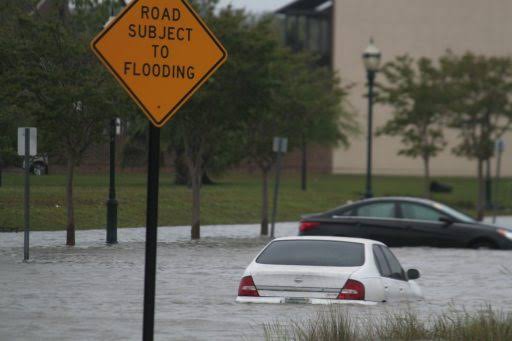
Floodwaters pose several hazards, including:
- Hydroplaning: When your tires lose contact with the road, the vehicle can skid uncontrollably.
- Stalled Engine: Water entering the engine through the air intake can cause a stall, leaving you stranded.
- Hidden Hazards: Floodwaters can conceal potholes, debris, or sharp objects that may damage your car.
- Electrocution Risk: Downed power lines submerged in water can create an electric hazard.
Being aware of these risks can help you make an informed decision before attempting to drive through floodwaters.
3. Drive Slowly and Steadily
If you determine it’s safe to proceed, drive slowly and steadily to minimize the risks.
- Enter the Water at a Low Speed: Driving too fast can create a wave that splashes water into your engine or undercarriage. Keep your speed below 5 mph.
- Use Low Gear: If you’re driving a manual transmission, use first or second gear to maintain steady momentum. For automatic transmissions, shift to “L” or “Low” if your car has this option.
- Maintain a Steady Speed: Consistent speed helps prevent water from entering your exhaust pipe and keeps your vehicle moving forward without stalling.
4. Follow the Tracks of Other Vehicles
If other cars are successfully crossing the flooded street, use their tracks as a guide.
- Stay in the Center of the Road: Roads are typically higher in the middle, which means the water is often shallower there.
- Avoid Close Proximity: Keep a safe distance from the vehicle ahead in case it stalls or stops abruptly.
Note: If other vehicles are struggling to cross, it’s a clear sign that you should not attempt it.
5. Avoid Stopping in the Water
Stopping in the middle of a flooded street increases the risk of water entering your engine or exhaust.
- Keep the Engine Running: Turning off the engine in standing water can cause water to back up into critical components.
- Maintain Momentum: Once you start crossing, don’t stop unless absolutely necessary. Losing momentum can lead to stalling.
6. Be Aware of Hydroplaning
Hydroplaning occurs when your tires lose contact with the road due to a thin layer of water, making it nearly impossible to control your vehicle.
- Avoid Sudden Braking: If you start to hydroplane, gently ease off the accelerator and steer straight until your tires regain traction.
- Keep Your Tires Properly Inflated: Good tire maintenance can reduce the risk of hydroplaning.
7. Check Your Vehicle’s Limits
Understanding your vehicle’s capabilities is critical when dealing with flooded streets.
- Know Your Ground Clearance: SUVs and trucks generally have higher ground clearance, making them better suited for driving through shallow water than sedans or sports cars.
- Be Wary of Electric Vehicles: While electric vehicles are waterproof, submerged battery systems can be hazardous in deep or fast-moving water.
8. What to Do if Your Vehicle Stalls
If your car stalls in the middle of a flooded street, take immediate action:
- Do Not Restart the Engine: Restarting the engine can cause water to enter and damage critical components.
- Exit Safely: If the water is rising, exit the vehicle and move to higher ground. Use caution when walking through the water, as it may contain hidden debris or strong currents.
- Call for Help: Contact roadside assistance or emergency services for help if you are unable to exit safely.
9. Post-Flood Inspection
Once you’ve successfully driven through a flooded area, inspect your vehicle for any damage.
- Check the Brakes: Wet brakes can lose effectiveness. Test them at a low speed to ensure they’re functioning properly.
- Inspect for Water Damage: Look for signs of water intrusion in the engine, interior, or exhaust.
- Clean the Undercarriage: Floodwater often contains dirt and debris that can corrode your car’s underside. A thorough cleaning is recommended.
10. Tips to Avoid Flooded Roads
To minimize the chances of encountering flooded streets, plan ahead.
- Monitor Weather Conditions: Check weather forecasts before heading out, especially during the rainy season.
- Use Navigation Apps: Many apps like Google Maps or Waze provide real-time traffic updates and can alert you to flooded areas.
- Avoid Low-Lying Areas: Streets near rivers, creeks, or underpasses are more likely to flood.
Driving through flooded streets is a high-risk activity that should be avoided whenever possible.
However, if you must cross a flooded area, following these safety tips can significantly reduce the risks. Always prioritize safety over convenience, and remember that turning around and finding an alternate route is often the best decision.
By staying calm, prepared, and informed, you can navigate flooded roads safely while protecting yourself and your vehicle.


5 Dangerous Reasons Drivers Fall Asleep Behind the Wheel

Young Female Driver Trapped After Early Morning Crash in Buies Creek

Motorcyclist Killed in High-Speed Collision Involving SUV in Dunn Area

Multiple Feared Dead After Horrific Bus-Tanker Collision in India

Tourist Bus Rollover on Australia’s Bruce Highway Kills Passenger, Several Injured

Global Road Safety Concerns Intensify After Multiple Deadly Crashes Across Continents

U.S. Traffic Deaths Decline in 2025 But Dangerous Driving Still Alarms Experts

16 Killed as Passenger Bus Plunges Under Bridge Along Lokoja-Okene Highway

Florida Horror Crash Leaves 3 Dead, 5 Critically Injured in Head-On Collision on State Road 40

4 CRUTECH Students, Driver Killed in Fatal Cross River Crash

Slow Down: Man got his Family Killed by neglecting road signs

Which Bridge is the Tallest in the World?
Impatient Driving Cause Road Accident
How Roads are Constructed on the Mountain

Texas, USA suffers heavy flooding