
Articles
The Best Way to Improve Your Fuel Efficiency

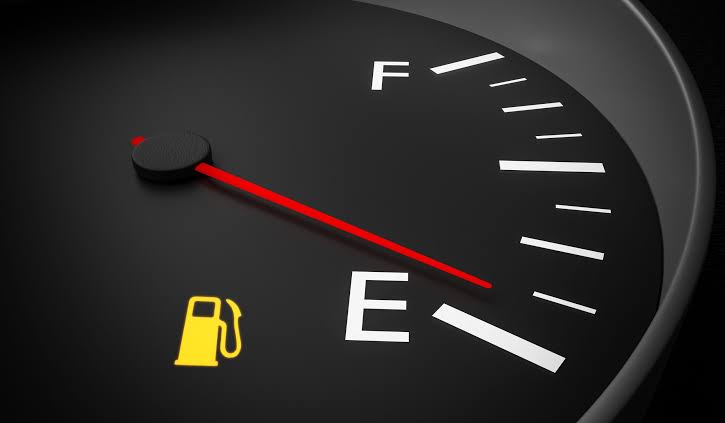
Fuel efficiency is a top priority for many drivers, especially with fluctuating gas prices and growing environmental concerns.
Whether you drive a compact sedan, an SUV, or a truck, maximizing your car’s fuel efficiency can save you money and reduce your carbon footprint.
Luckily, there are several ways to improve your vehicle’s fuel economy without sacrificing performance or comfort.
Here’s a detailed guide on the best ways to improve fuel efficiency, covering driving habits, vehicle maintenance, and other practical strategies.
1. Drive Smoothly and Avoid Aggressive Driving
One of the simplest and most effective ways to improve fuel efficiency is by adjusting your driving habits.
Aggressive driving such as rapid acceleration, speeding, and hard braking can significantly reduce your car’s fuel economy. Here’s why:
- Rapid Acceleration: Flooring the gas pedal burns more fuel than accelerating gradually. By easing into acceleration and maintaining a steady pace, you can save on gas.
- Speeding: Driving at high speeds increases wind resistance and reduces fuel efficiency. Most vehicles achieve optimal fuel economy at speeds between 45 and 65 mph. For every 5 mph you drive over 60 mph, you’re essentially paying more for each gallon of gas.
- Hard Braking: Frequently braking hard or stopping suddenly wastes energy and causes your vehicle to use more fuel. To avoid this, try to anticipate traffic flow, keep a safe distance, and brake gently when necessary.
By adopting a smoother, more relaxed driving style, you can significantly increase your fuel efficiency and reduce wear on your car’s engine and brakes.
2. Use Cruise Control on Highways
Using cruise control on long stretches of highway driving helps maintain a consistent speed, which is key to improving fuel economy.
By avoiding unnecessary speed fluctuations, your engine works more efficiently, saving fuel.
However, avoid using cruise control in hilly terrain, as your car may accelerate unnecessarily to maintain speed, which could negate the fuel savings.
3. Reduce Excess Weight and Aerodynamic Drag
Carrying extra weight or creating unnecessary drag can lower your vehicle’s fuel efficiency. Here are two key areas to focus on:
- Remove Unnecessary Items: Extra weight forces your engine to work harder, which burns more fuel. Remove heavy, unused items from your trunk or back seat. The heavier your car, the more fuel it will consume, especially during acceleration.
- Avoid Roof Racks: Roof racks, cargo boxes, or bike carriers increase aerodynamic drag, making your engine less efficient, particularly at highway speeds. If you don’t need these accessories, remove them to reduce drag and improve fuel efficiency.
By lightening your load and reducing drag, you can improve your vehicle’s fuel economy, especially during long trips.
4. Maintain Proper Tire Pressure
Maintaining the correct tire pressure is one of the easiest ways to improve fuel efficiency. Under-inflated tires create more rolling resistance, which means your engine has to work harder to move the vehicle.
This results in lower fuel efficiency. On the other hand, properly inflated tires reduce rolling resistance, improve gas mileage, and extend the lifespan of your tires.
- Check Tire Pressure Regularly: Check your tire pressure at least once a month or before long trips. Refer to your vehicle’s owner manual or the sticker inside the driver’s door for the recommended tire pressure.
- Avoid Over-Inflating Tires: While under-inflated tires reduce fuel efficiency, over-inflated tires can reduce traction and increase the risk of a blowout. Always inflate your tires to the recommended level.
Maintaining proper tire pressure is an easy yet effective way to save fuel and improve overall vehicle safety.
5. Perform Regular Vehicle Maintenance
Routine vehicle maintenance is critical to ensuring your engine runs efficiently, which in turn improves fuel economy.
Here’s how keeping your car in good condition can boost fuel efficiency:
- Change Oil Regularly: Use the recommended motor oil for your vehicle and change it at regular intervals. Clean oil reduces friction and helps the engine run more efficiently, which can improve gas mileage.
- Replace Air Filters: A clogged or dirty air filter can restrict airflow to the engine, reducing its efficiency. Replacing air filters regularly helps your engine breathe easier and improves fuel economy.
- Check Spark Plugs: Worn-out spark plugs can cause misfires and decrease fuel efficiency. Replacing them according to the manufacturer’s schedule helps maintain optimal engine performance.
- Maintain the Cooling System: The cooling system ensures your engine operates at the correct temperature. If your engine runs too hot, it may waste fuel. Check coolant levels regularly and ensure that the radiator and thermostat are functioning properly.
Following the manufacturer’s recommended maintenance schedule will not only improve fuel economy but also extend the lifespan of your vehicle.
6. Limit Air Conditioner and Heater Use
Using the air conditioner (AC) or heater excessively can strain your engine and reduce fuel efficiency, especially at lower speeds. To save fuel:
- Use Ventilation at Lower Speeds: When driving at low speeds, open the windows or use the vehicle’s ventilation system instead of the AC to cool the cabin. At highway speeds, it’s better to use the AC rather than opening the windows, as open windows increase aerodynamic drag.
- Pre-Cool or Pre-Heat Your Car: If possible, park your car in the shade during hot weather to reduce the need for AC. In cold weather, dress appropriately to limit the use of the heater.
By using the AC and heater strategically, you can improve your vehicle’s overall fuel efficiency.
7. Plan Efficient Routes
Another effective way to improve fuel efficiency is by planning your trips more carefully. Here are some strategies to consider:
- Avoid Congested Routes: Stop-and-go traffic burns more fuel than driving at a steady speed. Use apps or GPS systems to check for traffic updates and choose less congested routes when possible.
- Combine Errands: Instead of making multiple short trips, try to combine your errands into one longer trip. Your engine operates more efficiently once it’s warmed up, so driving longer distances in a single trip will save fuel compared to several cold-start short trips.
- Avoid Rush Hours: If possible, schedule your trips during non-peak hours to avoid traffic jams, where your car burns fuel idling or constantly accelerating and braking.
By planning your trips to minimize idle time and maximize driving efficiency, you can save fuel and reduce wear on your vehicle.
8. Consider Carpooling or Alternative Transportation
Finally, one of the most effective ways to improve fuel efficiency is to simply drive less. Carpooling with friends, family, or coworkers can significantly reduce the number of trips you need to make, cutting down on fuel consumption.
Similarly, using public transportation, walking, or biking for short trips can help you save both fuel and money while reducing your environmental impact.
Improving fuel efficiency is not just about saving money at the pump, it’s also about minimizing your environmental footprint and extending the life of your vehicle.
By adopting smoother driving habits, maintaining your car regularly, and making small adjustments like reducing weight and planning routes efficiently, you can boost your vehicle’s fuel economy.
Even small changes, like checking tire pressure or using the air conditioner less frequently, can make a significant difference over time.
With these tips in mind, you can enjoy better fuel efficiency and help contribute to a cleaner environment.







5 Dangerous Reasons Drivers Fall Asleep Behind the Wheel

Young Female Driver Trapped After Early Morning Crash in Buies Creek

Motorcyclist Killed in High-Speed Collision Involving SUV in Dunn Area

Multiple Feared Dead After Horrific Bus-Tanker Collision in India

Tourist Bus Rollover on Australia’s Bruce Highway Kills Passenger, Several Injured

Global Road Safety Concerns Intensify After Multiple Deadly Crashes Across Continents

U.S. Traffic Deaths Decline in 2025 But Dangerous Driving Still Alarms Experts

16 Killed as Passenger Bus Plunges Under Bridge Along Lokoja-Okene Highway

Florida Horror Crash Leaves 3 Dead, 5 Critically Injured in Head-On Collision on State Road 40

4 CRUTECH Students, Driver Killed in Fatal Cross River Crash

Slow Down: Man got his Family Killed by neglecting road signs

Which Bridge is the Tallest in the World?
Impatient Driving Cause Road Accident
How Roads are Constructed on the Mountain

Texas, USA suffers heavy flooding