
Articles
How to know when your Fuel Pumps need replacement


The fuel pumps is a critical component in any vehicle, ensuring that fuel is consistently delivered from the tank to the engine at the correct pressure.
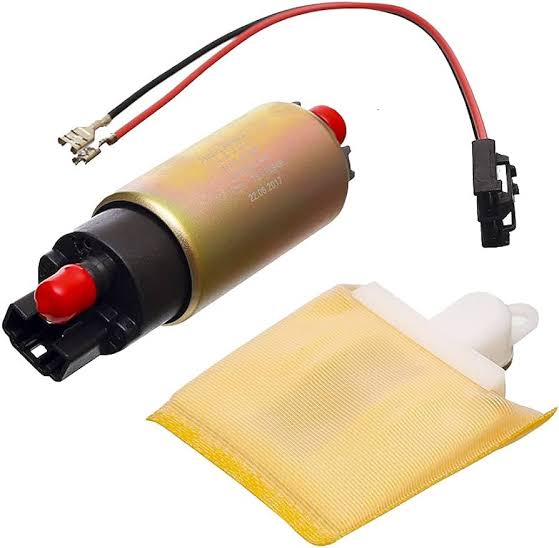
Without a properly functioning fuel pump, an engine cannot run smoothly, or in some cases, at all.
However, when a fuel pump begins to fail, the symptoms can be mistaken for other issues, making diagnosis challenging.
This article will explore the role of the fuel pump, the symptoms of a failing fuel pump, how to diagnose it, and how to conclusively prove that the fuel pump is the culprit behind your vehicle’s problems.
What are the functions of Fuel Pumps?
The fuel pump’s primary function is to deliver a continuous flow of fuel from the gas tank to the engine.
It ensures that the fuel is delivered at a specific pressure, which is crucial for the engine’s optimal performance.
There are two main types of fuel pumps: mechanical and electric.
Mechanical fuel pumps are typically found in older vehicles and are driven by the engine’s camshaft.
Electric fuel pumps, which are more common in modern vehicles, are located inside the fuel tank and are controlled by the vehicle’s electronic control unit (ECU).
In either case, the pump’s failure can lead to an insufficient fuel supply to the engine, causing a range of issues from poor performance to a complete engine shutdown.
Symptoms of a Failing Fuel Pump
Several symptoms can indicate that a fuel pump is failing. However, these symptoms can also be caused by other issues, which is why it’s crucial to understand them in the context of a failing fuel pump.
1. Engine Sputtering at High Speeds
One of the most common symptoms of a failing fuel pump is engine sputtering, particularly when driving at high speeds.
This occurs when the fuel pump cannot maintain the required fuel pressure, causing the engine to starve for fuel and sputter.
The engine may recover after a moment, but this symptom is an early warning sign.
2. Loss of Power Under Stress
If your vehicle loses power while going uphill, towing, or accelerating, it could be a sign of a bad fuel pump.
The engine requires more fuel in these situations, and a failing fuel pump may not be able to deliver the necessary amount, causing the engine to lose power.
3. Difficulty Starting the Vehicle
A fuel pump that is on its last legs may cause difficulty in starting the vehicle.
This is often due to the pump being unable to generate sufficient pressure to start the engine.
If you find that your vehicle takes longer to start or requires multiple attempts, the fuel pump could be the problem.
4. Frequent Engine Stalling
Engine stalling can also be a sign of a failing fuel pump, especially when it occurs without any other obvious causes.
This is usually due to intermittent failures within the pump, leading to an inconsistent fuel supply.
5. Unusual Noises
A whining or humming noise coming from the fuel tank area is often a sign of a failing fuel pump.
While some noise from the pump is normal, especially in older vehicles, excessive noise is a clear indication that something is wrong.
6. Poor Fuel Efficiency
If you notice that your fuel economy has dropped significantly, it could be due to a failing fuel pump.
A weak pump may not deliver fuel efficiently, causing the engine to work harder and consume more fuel.
Diagnosing Bad Fuel Pumps
Diagnosing a bad fuel pump requires a systematic approach, as the symptoms can overlap with other potential issues, such as a clogged fuel filter, a bad fuel injector, or ignition problems.
Here’s how to diagnose a failing fuel pump:
1. Check for Fuel Pressure
The most straightforward way to diagnose a fuel pump issue is to check the fuel pressure.
Using a fuel pressure gauge, you can measure the pressure at the fuel rail.
Compare the readings to your vehicle manufacturer’s specifications.
If the pressure is lower than recommended, it indicates a problem with the fuel pump or the fuel pressure regulator.
2. Listen for the Fuel Pump
When you turn the ignition key to the “ON” position (without starting the engine), you should hear a brief humming noise from the fuel tank.
This is the fuel pump priming the system. If you don’t hear this noise, it could indicate that the pump is not working.
3. Conduct a Volume Test
In addition to pressure, the fuel pump’s volume output can be tested.
This involves disconnecting the fuel line and measuring the amount of fuel the pump delivers in a set amount of time.
Low volume indicates a failing pump.
4. Inspect the Fuel Pump Relay and Wiring
Sometimes, the problem lies not with the pump itself but with the relay or wiring.
A malfunctioning relay or damaged wiring can prevent the fuel pump from receiving power, leading to similar symptoms.
5. Check the Fuel Filter
Before concluding that the fuel pump is faulty, it’s important to check the fuel filter.
A clogged filter can restrict fuel flow, mimicking a bad fuel pump.
Replacing the filter is a relatively inexpensive fix and should be done regularly as part of vehicle maintenance.
Proving the Fuel Pump is Bad
After diagnosing, you need to conclusively prove that the fuel pump is the root cause of the issues. Here’s how to do that:
1. Repeat Tests After Repairs
If you’ve replaced the fuel filter or fixed any wiring issues and the symptoms persist, it’s more likely that the fuel pump is the problem.
Rechecking the fuel pressure and volume after making these repairs can confirm the diagnosis.
2. Examine the Fuel Pump Internally
If the fuel pump has been removed, it can be disassembled for internal inspection.
Look for signs of wear and tear, such as a worn-out impeller, burned electrical connections, or debris buildup inside the pump.
These are clear indicators of a failing pump.
3. Use Diagnostic Tools
Advanced diagnostic tools, like an oscilloscope, can be used to examine the fuel pump’s electrical waveform.
An irregular or weak waveform is a definitive sign that the pump is not functioning properly.
4. Consult with a Professional
If you’re unable to diagnose the issue yourself or if the symptoms are confusing, consulting a professional mechanic is advisable.
They have the tools and experience to diagnose the problem accurately.
In conclusion, failing fuel pump can cause a variety of issues that affect your vehicle’s performance and reliability.
By understanding the symptoms, conducting proper diagnostic tests, and methodically eliminating other potential causes, you can conclusively prove whether your fuel pump is bad.
Timely replacement of a failing fuel pump is crucial to maintaining your vehicle’s performance and preventing more severe damage to the engine.
Regular maintenance and being attentive to early warning signs can save you from unexpected breakdowns and costly repairs.


Five Die as Truck, Car Collide on Badagry Expressway

Two Killed as Trucks Collide, Burst Into Flames on Anambra Road

Stakeholders Raise Alarm Over Safety Gaps in Nigeria’s CNG and Electric Vehicle Transition

Female Driver Dies in Tragic Road Crash at Mongoro, Ile-Zik Area of Lagos

Physically Challenged Beggar Killed in Multi-Vehicle Crash on Lagos-Ibadan Expressway

Court Bars FRSC Officials From State Roads

24 Pupils Killed in Tragic Bus Crash During School Excursion in Uganda

Tyre Blowouts on Heavy Trucks

BYD Seal EV: Can It Challenge Traditional Sedans?

Colorado to Strengthen Driver Education Requirements

Slow Down: Man got his Family Killed by neglecting road signs

Which Bridge is the Tallest in the World?
Impatient Driving Cause Road Accident
How Roads are Constructed on the Mountain

Texas, USA suffers heavy flooding