
Articles
ROAD HAZARDS: CHALLENGES DRIVERS FACE ON THE ROAD


Driving is a common daily practice for numerous individuals globally, providing ease and movement.
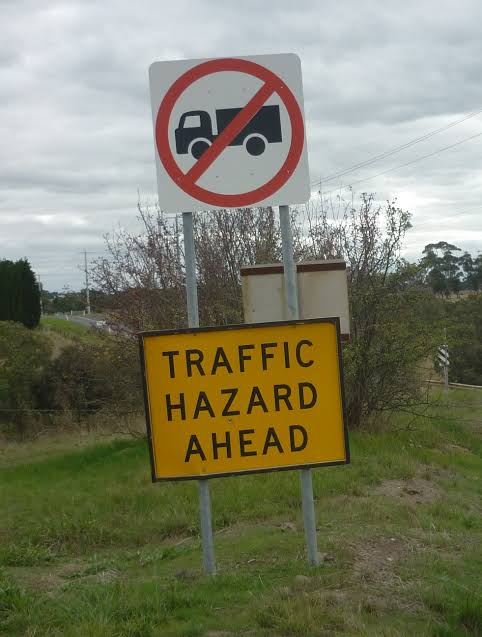
Nevertheless, the road presents various dangers that can compromise safety.
Recognizing these hazards and implementing measures to address them is essential for minimizing accident risks.
This article will discuss the different types of road hazards drivers might face, including environmental elements and human-related dangers, and provide practical guidance on navigating them securely.
Environmental Hazards
Environmental factors are among the most common and unavoidable hazards drivers face.
These include adverse weather conditions, poor road maintenance, and natural obstacles.
Weather Conditions
Weather significantly impacts driving conditions. Rain, snow, fog, and ice can all reduce visibility and traction, making driving more challenging and increasing the likelihood of accidents.
Wet roads are particularly hazardous as they reduce tire grip, leading to longer braking distances and a higher risk of skidding.
Snow and ice exacerbate these conditions by making the road surface extremely slippery.
Fog is another serious hazard, as it can reduce visibility to mere meters, making it difficult to see other vehicles, road signs, and obstacles.
Mitigation:
Drivers should adjust their speed according to the weather conditions and increase following distances to allow more time to react to potential hazards. It’s also essential to ensure that the vehicle’s tires, brakes, and windshield wipers are in good condition before setting out in poor weather.
Poor Road Maintenance
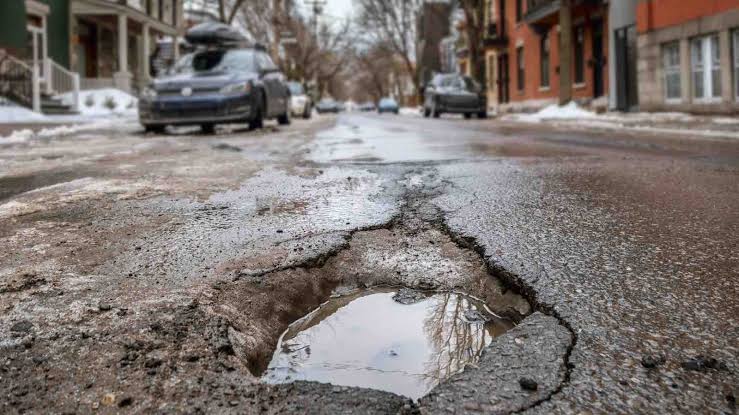
Poorly maintained roads can pose significant hazards. Potholes, cracks, and uneven surfaces can cause damage to vehicles, including tire blowouts or suspension issues, and can lead to loss of vehicle control.
In rural or underfunded areas, road maintenance may be neglected, increasing the risk of accidents.
Mitigation:
Drivers should remain vigilant and avoid driving over potholes or other visible road defects when possible. Keeping a safe speed allows for more reaction time to avoid unexpected road conditions.
Natural Obstacles
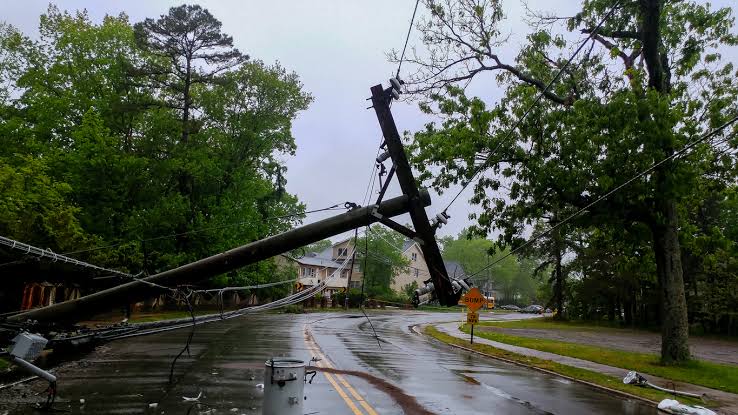
Animals, fallen trees, or rocks on the road can present sudden and unexpected hazards.
Wildlife is particularly problematic in rural areas, where collisions with deer or other large animals can cause severe damage to vehicles and injuries to passengers.
Mitigation:
Drivers should stay alert, especially when driving in areas known for wildlife crossings.
Using high-beam headlights in rural areas at night can help spot animals from a greater distance.
Additionally, knowing when to slow down and scan the road ahead can help in avoiding collisions with natural obstacles.
Human-Related Hazards
Human-related hazards are another major category of risks on the road. These hazards include impaired driving, distracted driving, and aggressive driving behavior.
Impaired Driving
Driving under the influence of alcohol or drugs remains a leading cause of road accidents globally.
Impairment slows reaction times, reduces concentration, and impairs judgment, making it difficult for drivers to respond effectively to road hazards.
Even over-the-counter or prescription medications can impair driving ability if they cause drowsiness or alter judgment.
Mitigation:
The best mitigation strategy is to never drive under the influence. If you plan to drink, arrange for a designated driver, use public transportation, or call a ride-sharing service.
Always read medication labels and consult with a doctor or pharmacist about potential side effects that could impair driving.
Distracted Driving
With the advent of smartphones and other in-car technologies, distracted driving has become a significant concern.
Texting, making phone calls, adjusting the radio, or using GPS while driving diverts attention from the road, increasing the likelihood of accidents.
Mitigation:
Drivers should avoid using electronic devices while driving. If it’s necessary to make a call or send a message, pull over safely to do so. Many modern vehicles offer hands-free technology, but even these can be distracting, so they should be used cautiously.
Aggressive Driving
Aggressive driving, characterized by speeding, tailgating, or erratic lane changes, is a dangerous behavior that increases the risk of accidents.
Aggressive drivers may also be more prone to road rage, which can lead to dangerous confrontations.
Mitigation:
It’s essential to remain calm and composed while driving. Avoid engaging with aggressive drivers and maintain a safe distance.
If you encounter road rage, do not escalate the situation; instead, find a safe place to pull over or report the driver to authorities if necessary.
Mechanical Hazards
Mechanical failures can lead to dangerous situations on the road. Regular vehicle maintenance is crucial in preventing such hazards.
Tire Blowouts
Tire blowouts can occur suddenly and are particularly dangerous at high speeds. Causes include under-inflation, overloading the vehicle, or driving over sharp objects.
Mitigation:
Regularly check tire pressure and tread depth. Avoid overloading the vehicle and be cautious when driving over debris or rough terrain.
If a blowout occurs, keep a firm grip on the steering wheel, do not brake suddenly, and gradually reduce speed while pulling over to a safe location.
Brake Failures
Brake failure is a serious hazard that can lead to catastrophic accidents, especially in situations where quick stopping is necessary.
Mitigation:
Ensure regular brake inspections as part of routine vehicle maintenance. If you suspect a brake issue, have it inspected immediately. If brakes fail while driving, downshift to a lower gear, use the emergency brake, and steer to a safe area.
Engine Failures
Engine failures can cause the vehicle to stall or lose power, which can be hazardous in high-speed traffic or on busy roads.
Mitigation:
Regularly maintain the engine by following the manufacturer’s service schedule. Keep an eye on warning lights, strange noises, or unusual performance issues, and address them promptly. If an engine failure occurs while driving, steer to the side of the road and activate hazard lights.
Roadway Design Hazards
The design and layout of roadways can also contribute to driving hazards. Poorly designed intersections, sharp curves, and confusing road signs can increase the risk of accidents.
Intersections
Intersections are common sites for accidents, especially when visibility is limited or traffic signals are confusing. Left turns and busy intersections with multiple lanes are particularly hazardous.
Mitigation:
Approach intersections with caution, obey traffic signals, and be mindful of other drivers and pedestrians. When making left turns, ensure the intersection is clear before proceeding.
Curves and Hills
Sharp curves and steep hills can be dangerous, particularly if drivers are unaware of the road layout.
These features can reduce visibility and make it difficult to judge the speed of oncoming traffic.
Mitigation:
Slow down when approaching curves or hills, and use caution when passing other vehicles in these areas. Be aware of road signs that indicate sharp turns or steep grades.
Road Signs and Markings
Inadequate or confusing road signs and markings can lead to driver confusion and accidents. This is particularly problematic in unfamiliar areas or at night when visibility is reduced.
Mitigation:
Drivers should pay close attention to road signs and markings, even in familiar areas. If you’re unsure of the road layout or what a sign means, reduce speed and proceed with caution.
Pedestrian and Cyclist Hazards
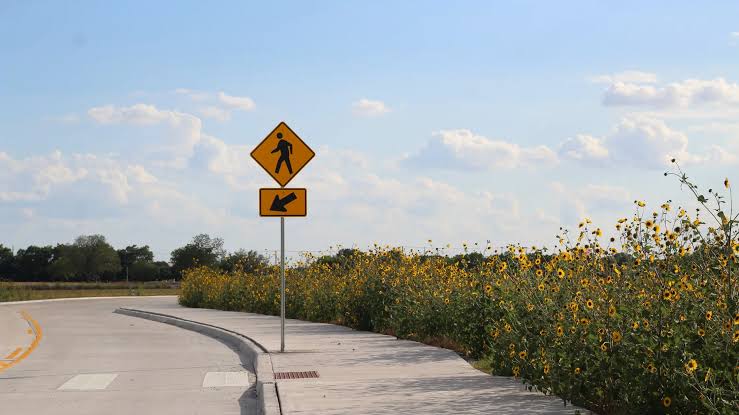
Pedestrians and cyclists share the road with vehicles, and their presence can create additional hazards, especially in urban areas.
Pedestrians
Pedestrians may not always follow traffic signals or may cross the road unexpectedly, creating a hazard for drivers. This is particularly dangerous in areas with high foot traffic or near schools.
Mitigation:
Drivers should always be on the lookout for pedestrians, especially in crosswalks and near schools. Reduce speed in areas with heavy pedestrian traffic and be prepared to stop suddenly.
Cyclists
Cyclists are vulnerable road users who may not always be visible to drivers, especially in blind spots. They may also be unpredictable, swerving to avoid obstacles or changing lanes without signaling.
Mitigation:
When driving near cyclists, give them plenty of space and be patient. Check your blind spots before changing lanes, and avoid honking as it can startle cyclists.
In conclusion, driving requires continuous attention and awareness of numerous hazards.
While certain risks, such as weather conditions or road design, are outside a driver’s control, many hazards can be lessened through cautious driving habits and routine vehicle upkeep.
By recognizing the potential dangers on the road and knowing how to react to them, drivers can markedly decrease their chances of accidents, thus guaranteeing a safer voyage for both themselves and fellow travelers.








Five Die as Truck, Car Collide on Badagry Expressway

Two Killed as Trucks Collide, Burst Into Flames on Anambra Road

Stakeholders Raise Alarm Over Safety Gaps in Nigeria’s CNG and Electric Vehicle Transition

Female Driver Dies in Tragic Road Crash at Mongoro, Ile-Zik Area of Lagos

Physically Challenged Beggar Killed in Multi-Vehicle Crash on Lagos-Ibadan Expressway

Court Bars FRSC Officials From State Roads

24 Pupils Killed in Tragic Bus Crash During School Excursion in Uganda

Tyre Blowouts on Heavy Trucks

BYD Seal EV: Can It Challenge Traditional Sedans?

Colorado to Strengthen Driver Education Requirements

Slow Down: Man got his Family Killed by neglecting road signs

Which Bridge is the Tallest in the World?
Impatient Driving Cause Road Accident
How Roads are Constructed on the Mountain

Texas, USA suffers heavy flooding