
Roads & Governance / Infrastructure Policy
Bad Roads Investigation: How Poor Infrastructure Is Causing Global Road Crashes

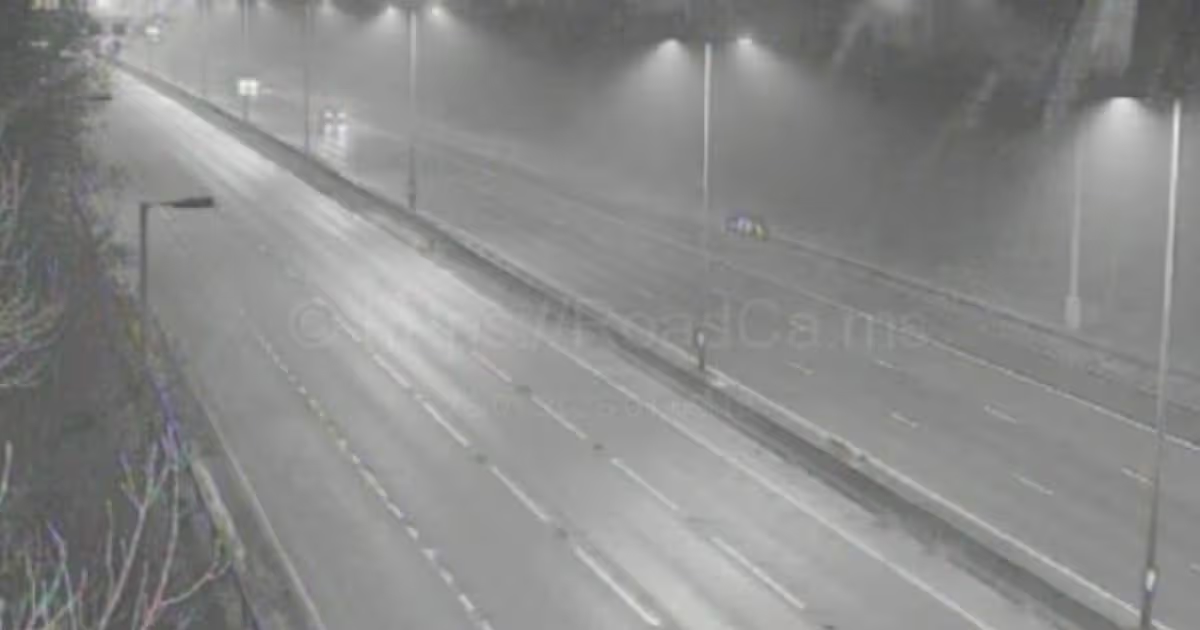
Across continents, from Africa to Asia, Europe to the Americas, bad roads continue to silently fuel road crashes, economic losses, vehicle damage, and preventable deaths.
Also Read:
- How Impatience and Indiscipline Are Killing More Motorists Than Bad Roads
- Fatal Nigeria Crashes — Adamawa & Lagos Raise Fresh Road Safety Concerns
- Nigeria’s Bad Roads Fail Farmers: Accident Destroys Farm Products
While speeding and reckless driving often dominate accident headlines, investigations increasingly show that deteriorating road infrastructure remains one of the most overlooked causes of transportation disasters worldwide.
For millions of road users, the danger begins long before driver error. It starts with potholes, collapsing shoulders, faded markings, poor drainage systems, and roads designed decades ago for traffic volumes that have since multiplied.
Today’s RoadKing.ng investigation examines how failing road infrastructure has become a global safety emergency.
A Global Infrastructure Problem Hidden in Plain Sight
According to global transport safety assessments by the World Health Organization, approximately 1.19 million people die annually in road traffic crashes worldwide.
While human behavior accounts for a large percentage, infrastructure defects significantly increase crash severity and frequency.
In many countries, roads originally built for light traffic now carry heavy commercial trucks, fuel tankers, buses, and high-speed private vehicles.
Without upgrades or consistent maintenance, surfaces deteriorate rapidly.
Common hazardous conditions identified worldwide include:
- Deep potholes causing sudden vehicle loss of control
- Uneven road surfaces leading to tire bursts
- Poorly marked construction zones
- Flooded highways due to blocked drainage
- Broken shoulders forcing vehicles into opposing lanes
These conditions transform ordinary journeys into unpredictable risks.
Africa: Roads Turning Into Death Corridors
Across several African nations, poor road maintenance continues to rank among the top contributors to crashes.
Nigeria’s East–West Road, Kenya’s rural highway networks, and sections of South Africa’s provincial roads have repeatedly drawn safety concerns due to erosion, failed asphalt layers, and abandoned repair projects.
Investigations by transport authorities linked numerous tanker overturn incidents and commercial bus crashes to road surface failures rather than driver negligence alone.
Heavy rainfall further worsens road decay. Water infiltration weakens asphalt foundations, creating potholes large enough to destabilize vehicles traveling at highway speed.
For commercial drivers operating daily, avoiding road damage often means dangerous swerving, a major trigger of head-on collisions.
Asia and Europe: Advanced Nations Still Battling Road Defects
Even technologically advanced countries face infrastructure challenges.
In parts of rural Japan and Eastern Europe, aging bridges and narrow legacy roads struggle to support modern logistics demands.
Winter freeze-thaw cycles in Europe create expanding cracks that quickly evolve into dangerous potholes.
Authorities in countries like Germany and the United Kingdom have reported rising maintenance backlogs despite strong infrastructure systems, highlighting that road deterioration is not limited to developing economies.
Urban congestion compounds the problem, accelerating wear and shortening road lifespan.
Vehicle Damage: The Hidden Economic Cost
Bad roads do not only cause crashes, they silently drain economies.
Automobile associations worldwide estimate billions of dollars lost annually through:
- Suspension failures
- Wheel alignment damage
- Tire destruction
- Increased fuel consumption
- Brake system wear
For commercial transport operators, downtime caused by vehicle repairs directly affects supply chains and food distribution networks.
In developing economies, drivers often spend a significant portion of income repairing damage caused solely by road conditions.
Why Drivers Become Part of the Risk
Poor roads also influence driver behavior.
When motorists constantly dodge potholes or navigate broken surfaces, traffic discipline collapses.
Lane markings lose meaning, safe following distances shrink, and sudden braking becomes common.
Road safety analysts note that infrastructure failure indirectly encourages risky maneuvers such as:
- Abrupt lane switching
- Driving against traffic flow
- Excessive overtaking
- Shoulder driving
Over time, unsafe adaptations become normalized driving culture.
Engineering Failure or Policy Failure?
Experts argue that bad roads are rarely caused by engineering limitations alone. Instead, recurring issues include:
- Delayed maintenance funding
- Poor contractor supervision
- Substandard construction materials
- Lack of routine inspections
- Corruption in infrastructure projects
Preventive maintenance often costs far less than full reconstruction, yet many governments intervene only after roads become critically damaged.
Smart Monitoring: The Future of Road Maintenance
Several countries are now deploying technology-driven solutions to combat infrastructure decline.
Emerging approaches include:
- AI-powered road surface scanning vehicles
- Drone inspections of highways and bridges
- Embedded sensors detecting pavement stress
- Real-time reporting apps for motorists
These systems allow authorities to repair defects before they escalate into safety hazards.
Smart infrastructure monitoring is increasingly viewed as essential to achieving global road safety targets.
The Human Cost Behind Every Pothole
Behind every damaged roadway lies a human story families affected by crashes that could have been prevented through timely maintenance.
School transport vehicles, motorcycles, cyclists, and pedestrians remain especially vulnerable when roads deteriorate.
Safety advocates emphasize that road quality should be treated as a public health priority, not merely a construction issue.
RoadKing.ng Safety Insight
Bad roads rarely make headlines unless tragedy strikes. Yet they remain one of the most consistent contributors to crashes worldwide.
Improving driver education alone cannot solve road safety challenges if infrastructure continues to fail.
Safer roads require:
- Continuous maintenance culture
- Transparent infrastructure funding
- Modern engineering standards
- Data-driven monitoring systems
Until these become global priorities, road users will continue paying the price.







Bad Vehicle Maintenance: The Silent Killer on Roads Worldwide

Bad Roads Investigation: How Poor Infrastructure Is Causing Global Road Crashes

One Dead After Vehicle Collides With Train in United States

Social Media Influencer Dies After Losing Control on French Motorway

Sixteen Killed in Fiery Bus–Truck Collision in Yemen

Hazardous Truck Crash Spills Asbestos on Major Highway in Australia

FRSC Deploys Mobile Speed Enforcement Units Across Nigerian Highways
Three Dead in Multi-Vehicle Crash on Lagos–Ibadan Expressway

Fatal Nigeria Crashes — Adamawa & Lagos Raise Fresh Road Safety Concerns

Delhi Introduces Safety Reward Scheme for Citizens Who Assist Road Accident Victims
Three Killed in Multi-Vehicle Crash in Northern Ireland

Fatal Drunk Driving Crash Claims Woman’s Life on Clay Road

How Turkey Is Using Real Wrecked Cars to Warn Drivers

Lansdale Residents Lead Local Road Safety Initiative to Protect Community
Motorcyclist Crash Shuts Down M40 Motorway in UK, Causes Major Traffic Disruption

Senior Police Officer Dies in Fatal Road Crash in Borno
Delhi Introduces Safety Reward Scheme for Citizens Who Assist Road Accident Victims

LASTMA Rescues 1,075 Crash Victims, Impounds Over 17,000 Vehicles
M11 Motorway Shut After Double Crash Near Stansted Airport

Indiana Senate Advances Trucking Oversight Bill to Improve Road Safety

Slow Down: Man got his Family Killed by neglecting road signs

Which Bridge is the Tallest in the World?
Impatient Driving Cause Road Accident
How Roads are Constructed on the Mountain

Texas, USA suffers heavy flooding