
Tips for car purchase
5 Reliable Cars You Can Still Buy With ₦3–5 Million In Nigeria


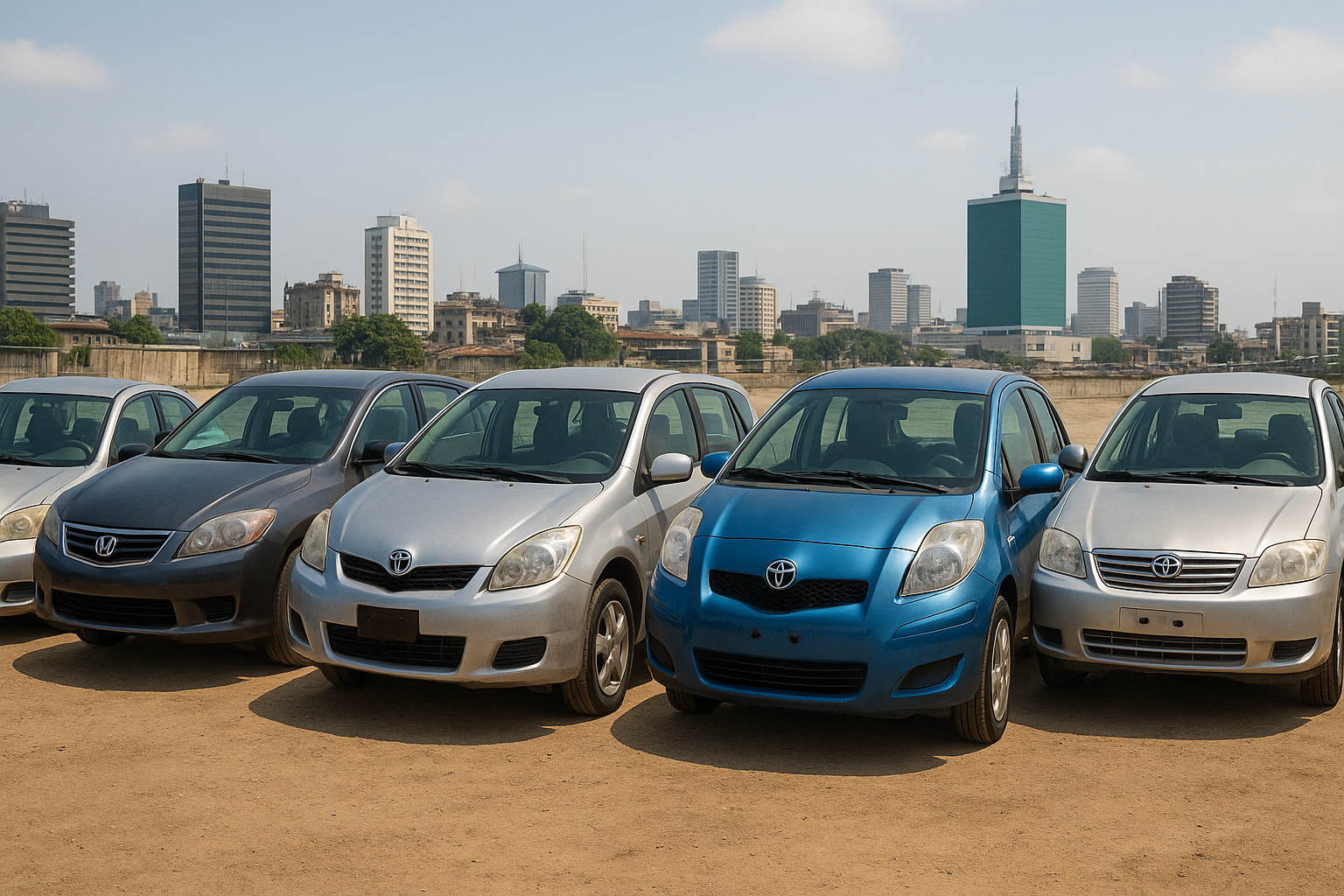
Buying a car in today’s Nigeria is not beans. Between inflation, forex wahala and the removal of fuel subsidy, prices have jumped so much that what used to buy a clean tokunbo now sometimes can’t even touch a rough Nigerian-used.
 Also Read: Electric Cars vs. Traditional Cars: Which Is Safer on the Roads?
Still, if your budget is ₦3–5 million, you’re not out of the game. You won’t be getting a 2015 Corolla or 2018 SUV, but you can still land reliable, efficient cars that will handle Lagos traffic, bad roads and inter-state trips, provided you choose wisely and inspect properly.
In this RoadKing guide, we break down 5 practical cars you can realistically get within ₦3–5 million in Nigeria (mostly Nigerian-used), what to expect, and what to check before paying.
Note: Prices are approximate Nigerian-used figures as of late 2025 and vary by location, mileage, condition and urgency of the seller. Always confirm current prices in your local market.
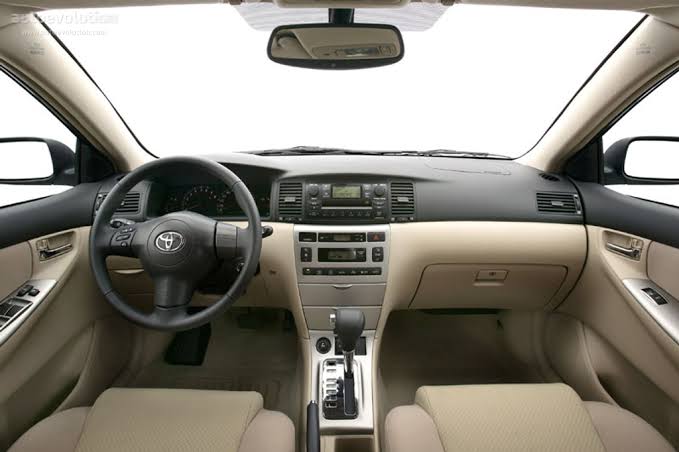
1. Toyota Corolla 2004 (“Banker” Corolla – Nigerian-Used)
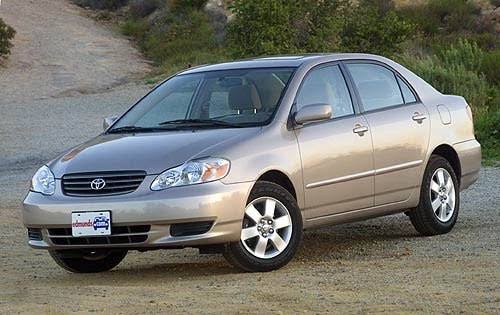 If your budget is tight but you still want Toyota peace of mind, the 2004 Toyota Corolla is one of the smartest bets in the market.
Typical Price Range (Nigeria, 2025)
Platforms that track used car listings in Nigeria show that local used 2004 Corolla models generally start around ₦3 million, with many clean units advertised between about ₦3.8 million and ₦5 million depending on mileage and condition.
 This puts it comfortably inside the ₦3–5m bracket especially if you don’t mind a repainted body or higher mileage.
Why Nigerians Still Love This Corolla
- Fuel economy: The 1.8L 4-plug engine is very fuel efficient, especially in city traffic.
- Parts are everywhere: From Ladipo to Nkpor to Rumuokwurusi, Corolla parts and “follow-come” replacements are easy to find and relatively cheap.
- Mechanics know it: Almost every road-side mechanic has touched a Corolla at some point.
- Simple, durable engine: If a previous owner didn’t abuse it, this car can comfortably do 300,000+ km with proper maintenance.
- Resale value: Even as an older model, Corolla still holds value better than many rivals.
What To Watch Out For Before You Buy
- Overheating history: Ask specifically about overheating. Check radiator, water pump, hoses and confirm there is no “workaround” like bypassed thermostat.
- Gearbox behaviour: A delayed shift, jerking when changing gears or loud whining noise may mean costly repairs.
- Flood damage: Check under carpets, inside boot and spare tyre area for mud or water lines.
- Suspension noise: Many of these cars have seen Nigerian potholes; budget for bushings, shocks and stabilizer links.
Who This Car Is Perfect For
- Daily commuters in cities like Lagos, Abuja, Port Harcourt.
- Bolt/independent taxi drivers who prioritise low running cost.
- First-time car owners who just want something simple, “buy and drive” (after proper inspection).
2. Honda Accord 2009 (“Discussion Continues” – Nigerian-Used)
 The 2009 Honda Accord is bigger and more powerful than a Corolla, with a more “executive” feel. The nickname “Discussion continues” didn’t happen by accident, this car is everywhere.
Typical Price Range (Nigeria, 2025)
Market trackers show that Nigerian-used 2009 Accord models start from around ₦3.5 million, with most usable examples sitting somewhere in the ₦3.5m–₦5.5m band (very sharp ones can go higher).
 If you negotiate well and don’t insist on “perfect” bodywork, you can land one under ₦5m.
Why Consider a 2009 Accord?
- Space & comfort: More leg room, wider seats and a more planted ride compared to smaller sedans.
- Engine options: 2.0L/2.4L 4-cylinder engines are reasonably fuel efficient; V6 is powerful but thirstier.
- Good highway cruiser: Stable at speed; great for people who do Lagos–Ibadan, Abuja–Kaduna, Onitsha–Enugu regularly.
- Modern enough features: Depending on trim, you may get alloy wheels, steering controls, good sound system and decent safety features for its age.
Common Issues To Check
- Automatic transmission: This is the big one. Hard shifts, flaring (engine revs but car doesn’t move in sync), or delay engaging into D or R are serious red flags.
- Front suspension: Listen for knocking sounds on rough roads; Accords often need work on control arms, bushings and link bars after years on Nigerian roads.
- Engine oil consumption: Some high-mileage units may be “drinking” oil. Check for blue smoke from the exhaust and inspect engine bay for leaks.
- Electrical quirks: Windows, central lock and stereo should all be tested. Electrical faults can be annoying and sometimes expensive to trace.
Who This Car Is Perfect For
- People who want more comfort and presence than a Corolla without leaving the ₦3–5m range.
- Inter-state business travellers.
- Young families who need bigger boot space and rear leg room.
Just remember: If you’re buying an Accord, don’t compromise on the gearbox inspection. A bad transmission can swallow your entire budget.
3. Toyota Matrix 2005 (Nigerian-Used)
 Think of the Toyota Matrix as the Corolla’s more practical cousin. It shares a similar engine and many components but offers hatchback practicality and often slightly better ground clearance.
Typical Price Range (Nigeria, 2025)
Recent Nigerian listings and price trackers show that Nigerian-used Toyota Matrix models typically start around ₦4.5 million, with several 2005 models advertised in the ₦4m–₦5.5m range, depending on mileage and general condition.
 So if your budget is ₦4–5m, the 2005 Matrix is very much in play.
Why The Matrix Makes Sense In Nigeria
- Shared DNA with Corolla: Same Toyota reliability, similar 1.8L 4-cylinder engine (depending on spec), similar parts availability.
- More cargo space: The hatchback design makes it easy to load luggage, market goods or work tools.
- Better for rough roads: Many Matrix units ride a bit higher than sedans, making them more forgiving on bad roads and speed bumps.
- Flexible interior: Fold-flat rear seats let you carry bulky items (bags of cement, small freezer, generator, etc.) if you must.
What To Check Carefully
- Rear suspension & bushings: Because people often overload Matrix, rear suspension components can be tired.
- Tailgate and rear floor: Water leaks around the tailgate can lead to rust. Lift the boot floor mat and inspect.
- Engine mountings: Excessive vibration at idle may mean weak or broken mountings.
- Steering & alignment: Uneven tyre wear can indicate previous accident damage or long-term poor alignment.
Who This Car Is Perfect For
- Small business owners who move goods around town.
- Photographers, technicians, sales reps — anyone carrying equipment.
- Families that want a single car that can do both school runs and village trips.
If you want Toyota reliability but need more practicality than a standard sedan, the Matrix is a very smart use of ₦4–5 million.
4. Toyota Yaris 2008 (Nigerian-Used)
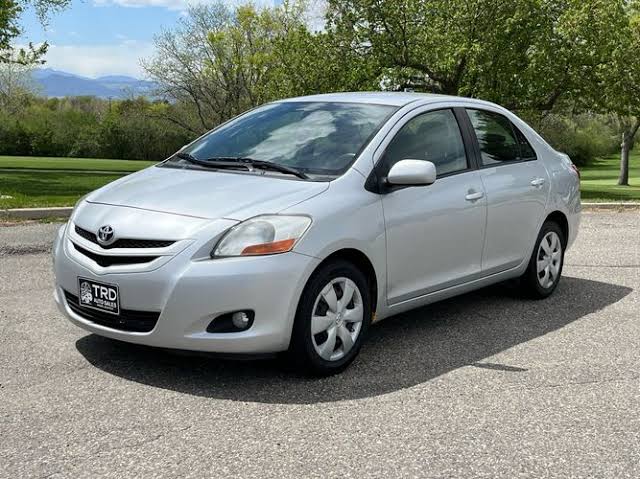 Big cars are nice, but in today’s fuel economy reality, small is sometimes smarter. The 2008 Toyota Yaris is a compact, nimble car that can drastically cut your daily running costs if most of your driving is within the city.
Typical Price Range (Nigeria, 2025)
Used-car data for Nigeria shows that Toyota Yaris prices currently range widely, from under ₦1m for very old/high-mileage units up to around ₦7.5m for cleaner, newer examples, across different years.
 For 2008 Nigerian-used Yaris, there are listings around ₦2.6m–₦4.7m, with some higher-spec or cleaner units advertised above that.
That means you can realistically get a usable 2008 Yaris between ₦3–4.5m if you’re patient and willing to compromise a bit on cosmetics.
Why The Yaris Is A Smart City Car
- Excellent fuel economy: Its small 1.3–1.5L engine sips fuel, especially in congested city traffic.
- Easy to park: Short, narrow and light, perfect for tight Lagos streets and crowded markets.
- Cheap to maintain: Smaller engine, smaller tyres, smaller everything = cheaper running costs.
- Toyota reliability: Still benefits from Toyota’s robust engineering and wide parts availability.
Things To Watch Before Buying
- Underpowered for heavy loads: If you regularly carry 4 adults plus luggage, the Yaris will feel sluggish, especially with AC on.
- Body and chassis: Some Yaris units have lived hard lives as fleet or pool cars; check carefully for patched accidents or structural rust.
- Highway performance: It’s fine for occasional inter-state trips, but it’s not as stable or quiet at 120–140 km/h as bigger cars.
- Interior wear: As a budget car, interiors can look tired faster. Check seats, plastics and door handles.
Who This Car Is Perfect For
- First-time car owners on a tight budget.
- People who mainly drive within one city (e.g. mainland–island commuting).
- Students, corps members, or young workers moving from public transport to their first private car.
- Anyone prioritising low fuel consumption over size and prestige.
If you’re realistic about its size and speed, the Yaris can give you serious savings at the filling station.
5. Toyota Avensis 2004 (Nigerian-Used)
 The Toyota Avensis doesn’t get as much hype as Corolla and Camry in Nigeria, but it quietly offers a lot of value, space, comfort, and typical Toyota durability.
Typical Price Range (Nigeria, 2025)
Recent Nigerian classifieds show Toyota Avensis 2004 Nigerian-used cars advertised from around ₦3.3 million upwards, with some cleaner units and foreign-used examples listed between roughly ₦5–8 million depending on location and spec.
 For this guide, we’re focusing on ₦3–5m Nigerian-used units, usually higher mileage, possibly repainted, but still very usable if well maintained.
Why The Avensis Deserves A Look
- Size & comfort: It’s a mid-size car with good cabin space; some versions even feel more comfortable on long journeys than same-year Corolla.
- Toyota engine reliability: Many Avensis models come with tried-and-tested Toyota petrol engines that, if serviced on time, last long.
- Highway stability: Wider footprint and solid suspension tuning makes it stable at speed on highways.
- Less “overpriced hype”: Because everyone is chasing Corolla, Camry and Highlander, Avensis sometimes offers better value per naira.
Important Checks Before Buying
- Parts availability & cost: While mechanical parts are shared with other Toyotas in some cases, some body and interior parts are not as common as Corolla’s, ask your mechanic first.
- Service history (if any): Many Avensis units came in as foreign-used and have now done years as Nigerian-used. Confirm if basic services (timing belt/chain, coolant, suspension) were done properly.
- Cooling system: Bad Nigerian roads + stop-and-go traffic can stress the cooling system; inspect radiator, hoses and thermostat.
- Clutch/gearbox (if manual): Some Avensis are manual; test for clutch slipping or difficulty engaging gears.
Who This Car Is Perfect For
- Families needing more comfort and boot space than a compact sedan.
- Drivers who take regular long trips and value stability and comfort.
- People who want Toyota reliability but don’t mind driving a less “popular” nameplate to save money.
If you find a well-maintained Avensis within ₦3–5m, it can be one of the best value cars on this list.
How To Make The Most Of A ₦3–5 Million Car Budget
Finding the right model is just half the battle. In Nigeria’s used-car market, how you buy can save or cost you hundreds of thousands.
1. Always Budget For “First Week Repairs”
Whatever your budget is, set aside at least ₦150,000–₦300,000 for immediate fixes:
- Full service (engine oil, ATF/manual oil, filters, coolant).
- Basic suspension work.
- New tyres (if the ones on the car are old, mismatched or cracked).
- Wheel alignment, balancing, brake service.
Don’t empty your entire ₦5m on the car alone. Leave breathing space.
2. Use a Trusted Mechanic & Electrician
Never go alone, never rely on the seller’s “oga mechanic”:
- Pay your own independent mechanic to inspect the engine and gearbox.
- Bring an electrician to test all electronics, windows, AC, lights, wipers, stereo, etc.
- Do a proper test drive on both smooth and rough roads.
3. Check Documents Like Your Life Depends On It
Because sometimes, it does:
- Original customs papers (if tokunbo at some point).
- Valid proof of ownership and purchase receipts.
- Up-to-date vehicle licence, roadworthiness and insurance.
- Verify the VIN/chassis number on the car matches the papers.
If documents look suspicious or “story too long”, walk away. There are other cars.
4. Beware of Flood-Damaged Cars
With frequent flooding in cities like Lagos and Port Harcourt, some cars on the market have been submerged:
- Lift carpets and check for mud, damp smell or rust.
- Inspect under the spare tyre in the boot.
- Look for fogged headlamps or tail-lamps from inside.
- Check for rust on seat rails and under the dashboard area.
Flood-damaged cars often develop endless electrical and mechanical issues.
5. Negotiate With Facts, Not Vibes
Before going to inspect:
- Check online listings for similar model, year and condition in your city.
- Go in with a realistic price range, not fantasy.
- If you find faults during inspection (tyres, AC, suspension), cost them and use that to negotiate down calmly.
Cool head + solid information = better deal.








FRSC Orders Construction Firms to Install Proper Road Signs Nationwide to Curb Rising Highway Deaths

Six Die, Five Injured in Fatal Collision at Nawfia, Anambra

Mali’s Fuel Shortage Eases as Over 300 Tankers Reach Bamako under Alliance of Sahel States (AES) Escort

Three Dead as Tanker Explosion Rocks Kano

5 Reliable Cars You Can Still Buy With ₦3–5 Million In Nigeria

Three Dead in Horror N4 Crash Near Middelburg Dam After Bakkies Collide
How FRSC Targeted Patrols & Special Operations Are Reducing Road Crashes in Nigeria

Over 500 Foreigners Intercepted on Adamawa Highway, Escorted Back by Security Forces

Suspect Arrested in Ghana for Ritual Killing of FRSC Officer & Daughter

ISUZU Makes Big Statement as Emeka Offor Endorses JIM Smart Pickup at Abuja Fair
5 Reliable Cars You Can Still Buy With ₦3–5 Million In Nigeria
Three Dead as Tanker Explosion Rocks Kano
Over 500 Foreigners Intercepted on Adamawa Highway, Escorted Back by Security Forces
How FRSC Targeted Patrols & Special Operations Are Reducing Road Crashes in Nigeria
Three Dead in Horror N4 Crash Near Middelburg Dam After Bakkies Collide
FRSC Orders Construction Firms to Install Proper Road Signs Nationwide to Curb Rising Highway Deaths
Mali’s Fuel Shortage Eases as Over 300 Tankers Reach Bamako under Alliance of Sahel States (AES) Escort
Six Die, Five Injured in Fatal Collision at Nawfia, Anambra

Slow Down: Man got his Family Killed by neglecting road signs

Which Bridge is the Tallest in the World?
Impatient Driving Cause Road Accident
How Roads are Constructed on the Mountain

Texas, USA suffers heavy flooding