
Update on Road Construction
Chinese Firm Begins Reconstruction of 7.2km Rigasa Roads in Kaduna

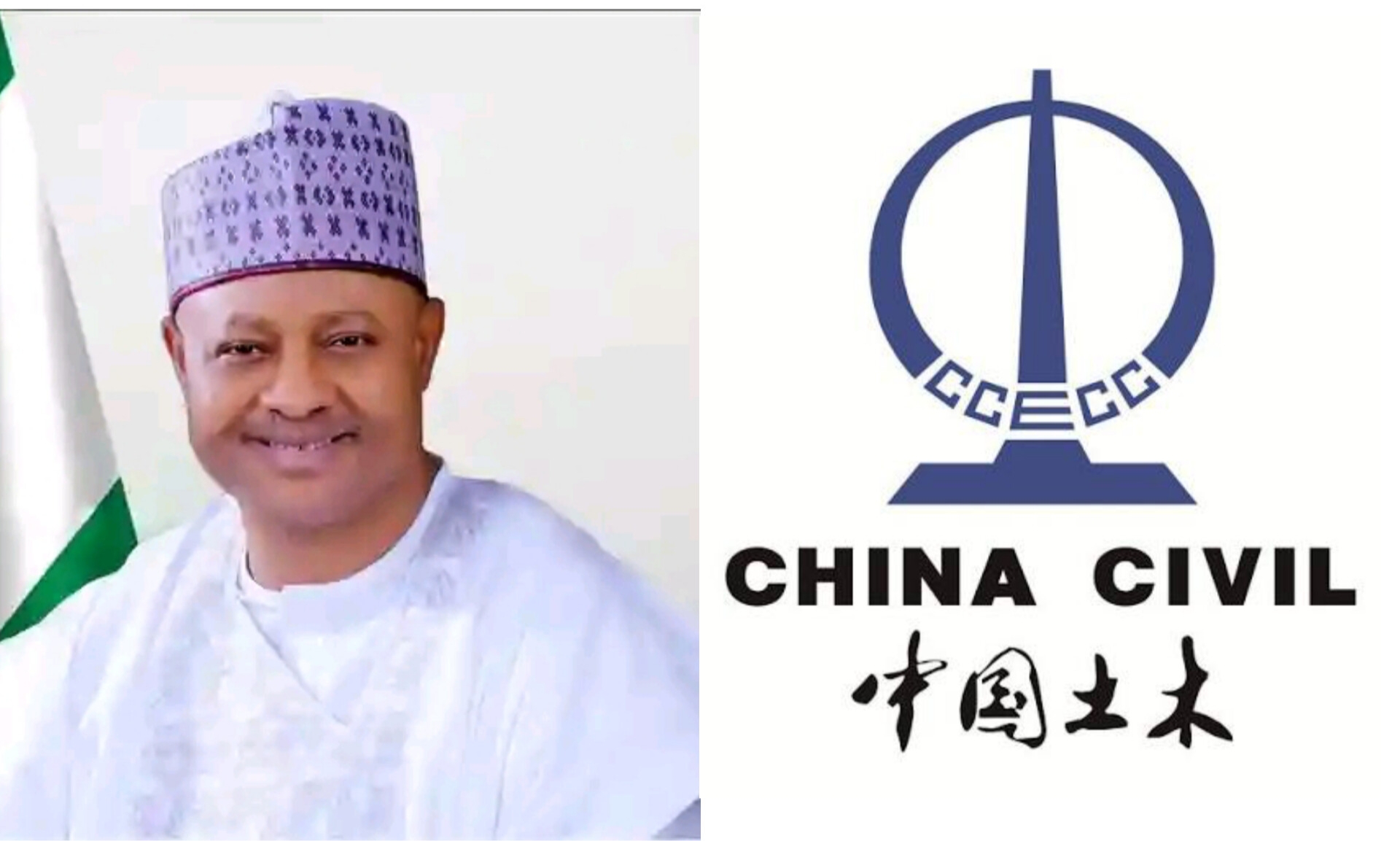
On Friday, September 13, 2025, the China Civil Engineering Construction Corporation (CCECC), a Chinese construction giant, officially broke ground on a major road reconstruction project in Rigasa, one of the most populous and infrastructure-challenged communities in Kaduna State, northwestern Nigeria.
 Also Read: Stay Alive: Essential Road Safety Tips for Drivers
The project involves rebuilding a 7.2-kilometre road that encompasses four township roads within Rigasa. Governor Uba Sani emphasized that this road is part of his administration’s “rural revitalization agenda,” aimed at easing movement, boosting local economies, and improving the quality of life across Kaduna’s growing wards.
Below is an in-depth look at what the project means, its impact, the challenges, and why it matters for Rigasa and Kaduna State at large.
1. Project Overview
- Project Sponsor / Contractor: China Civil Engineering Construction Corporation (CCECC)
- Location: Rigasa, Igabi Local Government Area, Kaduna State
- Scope: Reconstruction of 7.2 km of roads, including four township roads within the community.
- Objective: To address infrastructure deficit in Rigasa by improving connectivity and road conditions, reduce traffic congestion, and support economic and social activities.
- Groundbreaking Event: Held September 13, 2025. Governor Uba Sani commissioned the project.
2. Why Rigasa Road Matters
Rigasa is not just any community, it is one of the densely populated wards in Kaduna State. Some of the reasons this project is especially important:
- High Population Density: Rigasa is among the largest wards in Nigeria by population. That means many families depend daily on good roads for movement, trade, access to schools and hospitals.
- Poor Existing Infrastructure: For many years, towns in Rigasa have complained of bad roads, potholes, poor drainage, lack of proper surfacing, and streets that become muddy or impassable during rains. The infrastructure deficit has hurt commerce, slowed travel time, increased vehicle maintenance costs, and posed safety risks.
- Economic Activity: Rigasa hosts many small traders, farmers, service providers and civil servants. Better roads mean easier transport of goods, improved access to markets, and reduced loss of time and produce due to transit delays.
- Socio-connectivity: Roads link people to essential services, health centres, schools, postal services, the markets. For many children and patients, reaching facilities during emergencies has been a challenge during the rainy season or when roads degrade.
3. Goals & Expected Benefits
When the road is completed, the project is expected to deliver multiple advantages, including, but not limited to:
A. Improved Mobility & Traffic Flow
- Reduced travel time within Rigasa less congestion, quicker access from homes to workplaces or markets.
- Smoother traffic between township roads, meaning fewer diversions and less use of alternative poor roads.
B. Economic Upliftment
- Lower vehicle operating costs (less wear and tear, fuel saved by smoother journeys).
- More business activity easier movement of goods, increased patronage for local shops.
- Possible rise in property values in areas served by good roads.
C. Social Services Access
- Easier access to health care: ambulances or patients will find it easier to reach hospitals.
- Schools: smoother transport for pupils, staff, and supplies.
- Government services: local government offices, postal, utilities more accessible.
D. Safety & Quality of Life
- Rainy season resilience better drainage and more durable road surfaces reduce accidents, flooding, and loss of life/property.
- Pedestrian safety: township roads often include pedestrian traffic; better roads can include safer walking surfaces or shoulders.
- Reduced risks of traffic-related breakdowns, especially at night or in bad weather.
E. Symbolic and Psychological Impact
- Sense of being “seen” by government. For many residents who feel neglected, this signals investment and acknowledgment.
- Boosted morale and hope that other communities will receive similar attention.
4. Timeline, Funding & Execution Details
Timeline
- Kick-off: Groundbreaking held September 13, 2025.
- Phases: Rebuilding four township roads within the 7.2 km stretch. Work likely to be phased (design, drainage, surfacing, finishing).
- Completion Estimate: While no specific end-date was given in the Xinhua report, similar CCECC-led township road projects in Kaduna have ranged from 12 to 24 months depending on scope and funding. Based on past project scale, a completion window of 12-18 months is plausible, barring major delays.
Funding
- The project is part of Governor Uba Sani’s “rural revitalization agenda,” meaning it is sourced from state budgets or state/federal collaboration.
- It is executed by CCECC, which in prior collaborations with Kaduna State has handled both state-funded and mixed funding road projects.
Execution
- The contractor (CCECC) will likely use both local labour and ex-pat technicians/engineers, as is common in such projects. Though the exact labour composition for this project wasn’t confirmed in the report.
- Design work, drainage and foundation improvement will be crucial, especially in township roads that may not have had proper drainage before.
- Road surfacing materials, traffic control during work, compensation for affected property / landowners if right-of-way issues exist will likely come into play.
5. Local Reactions & Stakeholder Voices
From Government
Governor Uba Sani described Rigasa as having suffered “a worrying infrastructure deficit” despite the vitality of its citizens. He emphasized that this reconstruction contributes directly to improving livelihoods.
Government officials see this as an important marker in fulfilling campaign promises around infrastructure and rural/urban renewal. The road is also intended to connect better with other state road plans and integrate with Kaduna’s broader transport map.
From Residents
- Mallam Adamu Yisa, a local entrepreneur, said the project would make business easier: moving goods, receiving customers, transporting supplies will all be less costly and more predictable.
- Many residents who attended the ceremony reportedly feel relief and hope — “renewed hope” is how some described it.
- Some also raised concerns over how long they have waited, damage to their vehicles, costs incurred historically due to bad roads, and expectations that quality must be good so they don’t return to the same state in a few years.
From Observers / Experts
Urban planners and civil engineers generally agree: local roads and township roads are often neglected, yet they disproportionately affect the poorest and most vulnerable, because people rely heavily on them daily. A road like this helps reduce inequality.
Civil society groups may monitor whether compensation and land/right-of-way issues are handled fairly, whether contractors deliver quality materials, and whether the project adheres to environment and safety standards.
6. Challenges, Risks & Bottlenecks
Even promising projects like this one often face obstacles. For Rigasa’s road reconstruction, some likely challenges include:
A. Funding & Cost Overruns
- If the state budget is tight, delays in fund release can stall progress.
- Inflations in materials (cement, bitumen, steel) may lead to cost escalation.
B. Land & Right-of-Way Issues
- Township roads often run through densely populated areas. Some properties may be affected, requiring compensation. Delays can ensue if compensation is disputed.
- Utility lines (water, power) may need relocation.
C. Environmental & Drainage Problems
- Rigasa, like many Nigerian wards, may have flood-prone spots. Poor drainage design may cause flooding, undercutting road base, early road failure.
- Erosion control, stormwater flow must be part of the design.
D. Quality Assurance
- Ensuring materials meet specification (bitumen quality, sub-base compaction etc.)
- Ensuring contractors adhere to timelines, safety standards, safeguard pedestrian access etc.
E. Security & Social Disruption
- Construction may disrupt traffic, businesses, daily routines. Noise, dust, detours will affect residents.
- Security of workers and equipment must be considered, especially at night or in troubled areas.
F. Political & Bureaucratic Delays
- Approvals, permits, environmental impact assessments, local government coordination, will need to be navigated.
- Possible slowdowns due to political transitions, contractor mobilization delays.
7. Broader Implications for Kaduna’s Infrastructure Strategy
This Rigasa road reconstruction is not an isolated project. It ties into larger patterns and strategies in Kaduna State:
- Urban Renewal & Rural Transformation Agenda: Governor Uba Sani’s government has emphasized both rural and urban infrastructural improvements. As reported elsewhere, Kaduna has earmarked funds for roads across all 23 Local Government Areas, including compensation budgets to smooth project flow.
- Role of CCECC: This Chinese firm has been a long-standing partner in Kaduna State for road construction, urban renewal, etc. Their experience gives some confidence in delivery.
- Need for Connectivity: Kaduna is a major economic hub in Northern Nigeria. Improving internal roads helps reduce congestion on major highways, improves access to Abuja and other states, aids in inter-LGA commerce, and helps in agricultural supply chains.
- Job Creation & Local Participation: Road projects often create direct and indirect employment. If executed well, this project can support local economies (labourers, suppliers, traders) in and around Rigasa.
8. What Residents Should Expect During Construction
Residents of Rigasa should prepare for both positive changes and temporary inconveniences. Here are what to expect:
| Expectation | Details |
|---|---|
| Traffic Diversions | Some township roads may be closed or partially blocked during different phases; alternate routes may be used. |
| Noise, Dust & Disruption | Construction work will generate dust, noise especially during earth moving and machinery operations. Expect some inconvenience. |
| Access Issues | Entry to homes or businesses may be hampered during certain stages; clear communication from contractors is crucial. |
| Improved Road Conditions (Post-Completion) | Smoother ride, less potholes, better drainage, safer for pedestrians and vehicles. |
| Possible Compensation / Relocation | If property is affected by right-of-way, expect compensation or required adjustments. Keep documentation ready. |
| Better Connectivity | Easier link between township roads, quicker movement within Rigasa, better access to markets, institutions. |
9. Monitoring, Accountability, and Sustainability
To ensure that the project delivers what is promised, the following measures are essential:
- Transparent Contracting and Oversight: Publish contracts, timelines, budgets; ensure state agencies monitor milestones.
- Community Stakeholder Engagement: Local leaders should be included in progress updates; feedback loops to report defects or delays.
- Quality Control & Independent Inspection: Use third-party evaluation (engineering consultants) to certify materials and construction standards.
- Maintenance Plan: Post-construction maintenance should be budgeted—drainage cleaning, road marking, pothole repair. A bad road quickly becomes another crisis if not maintained.
- Environmental and Social Safeguards: Ensure minimal disruption, manage runoff, protect drainage paths, avoid undue displacement.
Conclusion
The CCECC’s start of the Rigasa road reconstruction project comes at a critical time for Rigasa and Kaduna State. For years, residents have lived with inadequate infrastructure, struggling with poor roads, damaged vehicles, slow commerce, and difficulty accessing essential services. This 7.2-km project holds promise smoother rides, faster business, and evidence that government action, when it comes, can be transformative.
However, promise alone is not enough. Delivery, quality, maintenance, fairness, and community inclusion will determine whether this project becomes a lasting success or another short-lived public work that deteriorates with time. For Rigasa, it must be more than concrete and asphalt, it must be a road to dignity, prosperity, and improved daily life.
As Kaduna State moves ahead with this and other road initiatives, all eyes will be on the firm’s ability to keep to schedules, handle disruptions properly, and leave behind infrastructure that stands the test of heavy rains, heavy use, and time.

Bad Vehicle Maintenance: The Silent Killer on Roads Worldwide

Bad Roads Investigation: How Poor Infrastructure Is Causing Global Road Crashes

One Dead After Vehicle Collides With Train in United States

Social Media Influencer Dies After Losing Control on French Motorway

Sixteen Killed in Fiery Bus–Truck Collision in Yemen

Hazardous Truck Crash Spills Asbestos on Major Highway in Australia

FRSC Deploys Mobile Speed Enforcement Units Across Nigerian Highways
Three Dead in Multi-Vehicle Crash on Lagos–Ibadan Expressway

Fatal Nigeria Crashes — Adamawa & Lagos Raise Fresh Road Safety Concerns

Delhi Introduces Safety Reward Scheme for Citizens Who Assist Road Accident Victims
Three Killed in Multi-Vehicle Crash in Northern Ireland

Fatal Drunk Driving Crash Claims Woman’s Life on Clay Road

How Turkey Is Using Real Wrecked Cars to Warn Drivers

Lansdale Residents Lead Local Road Safety Initiative to Protect Community
Motorcyclist Crash Shuts Down M40 Motorway in UK, Causes Major Traffic Disruption

Senior Police Officer Dies in Fatal Road Crash in Borno
Delhi Introduces Safety Reward Scheme for Citizens Who Assist Road Accident Victims

LASTMA Rescues 1,075 Crash Victims, Impounds Over 17,000 Vehicles

Indiana Senate Advances Trucking Oversight Bill to Improve Road Safety

Major Multi-Vehicle Collision Shuts Down M25 in Both Directions

Slow Down: Man got his Family Killed by neglecting road signs

Which Bridge is the Tallest in the World?
Impatient Driving Cause Road Accident
How Roads are Constructed on the Mountain

Texas, USA suffers heavy flooding