
Articles
Electric vs. Gas Cars: Which is Best for You?

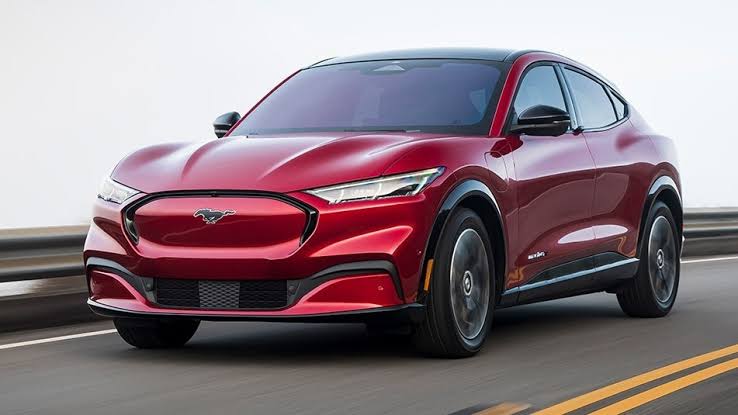
When deciding on your next vehicle, one of the biggest choices you’ll face is whether to go electric or stick with a traditional gas-powered car.
Both options have their advantages and disadvantages, and the right choice depends largely on your priorities, driving habits, and budget.
In this article, we’ll explore the key differences between electric vehicles (EVs) and gas-powered cars to help you decide which one is best for you.
1. Environmental Impact
One of the most significant factors driving interest in electric vehicles is their reduced environmental impact compared to gas cars.
- Electric Cars: EVs produce zero tailpipe emissions, which helps reduce air pollution. They are powered by electricity, which can come from renewable sources like solar, wind, or hydroelectric power. However, the production of EV batteries has an environmental cost, as it involves mining rare materials and significant energy consumption.
- Gas Cars: Gasoline-powered vehicles emit carbon dioxide and other greenhouse gases, contributing to climate change. Their fuel production process, from drilling to refining, also has a considerable environmental footprint.
- Verdict: If reducing your carbon footprint is a priority, electric cars are the clear winner.
2. Upfront Costs
The initial purchase price of a car is often a decisive factor for buyers.
- Electric Cars: EVs typically have a higher upfront cost than gas-powered cars due to the expense of advanced batteries. However, tax incentives, rebates, and lower long-term operational costs can help offset the higher price.
- Gas Cars: Gas-powered vehicles are generally more affordable upfront. There are also more used options available in the market, making it easier to find a budget-friendly gas car.
- Verdict: Gas cars are more accessible for those on a tight budget, though EVs are becoming more affordable with advancements in technology and government incentives.
3. Operating Costs
When it comes to running costs, electric and gas cars have significant differences.
- Electric Cars: EVs are cheaper to operate. Charging an EV costs less than filling up a gas tank, especially if you charge at home during off-peak hours. EVs also require less maintenance because they have fewer moving parts—no oil changes, spark plugs, or transmission repairs.
- Gas Cars: Gasoline prices can fluctuate significantly, making fuel costs unpredictable. Additionally, gas cars require regular maintenance, such as oil changes, brake repairs, and emissions tests, which can add up over time.
- Verdict: Electric cars win in terms of lower operating and maintenance costs.
4. Driving Range and Refueling Time
Driving range and the time it takes to refuel or recharge are critical considerations, especially for long-distance drivers.
- Electric Cars: Modern EVs offer ranges from 150 to over 400 miles per charge, depending on the model. However, recharging can take anywhere from 30 minutes at a fast-charging station to several hours with a home charger. Charging infrastructure is still expanding, which might be a concern in rural areas.
- Gas Cars: Gas-powered cars typically have a longer driving range on a full tank, and refueling takes just a few minutes. Gas stations are also more widely available than EV charging stations, making long trips more convenient.
- Verdict: Gas cars are more convenient for long-distance travel, though EVs are catching up as charging networks improve.
5. Performance
Performance can vary widely between electric and gas cars, depending on the model and your driving preferences.
- Electric Cars: EVs provide instant torque, resulting in quick acceleration and a smoother, quieter ride. Their lower center of gravity, due to battery placement, enhances handling and stability. However, towing capacity can be limited, and performance may decrease in extreme temperatures.
- Gas Cars: Gas-powered cars are more versatile, offering a wide range of performance levels, from fuel-efficient economy models to high-performance sports cars. They are better suited for heavy-duty tasks like towing and off-roading.
- Verdict: For everyday driving and acceleration, EVs excel. For heavy-duty tasks, gas cars still have the edge.
6. Charging and Refueling Infrastructure
The availability of charging or refueling infrastructure can significantly impact your choice.
- Electric Cars: While EV charging networks are expanding, they still lag behind the ubiquity of gas stations. Home charging is an option for many EV owners, but those without access to a home charger may find it less convenient.
- Gas Cars: Gas stations are virtually everywhere, making refueling quick and easy no matter where you are.
- Verdict: Gas cars are more convenient in terms of refueling infrastructure, though the EV charging network is rapidly improving.
7. Longevity and Resale Value
How well a car retains its value and how long it lasts are key considerations for many buyers.
- Electric Cars: EV batteries degrade over time, though most manufacturers offer warranties for 8–10 years or 100,000 miles. EVs tend to retain their value well, especially as demand for used EVs increases. However, battery replacement can be costly.
- Gas Cars: Gas cars have a proven track record of longevity and are easier to repair, but their resale value can be more volatile, depending on fuel prices and market trends.
- Verdict: EVs are gaining ground in resale value, but battery longevity and replacement costs are factors to consider.
8. Availability of Models
The variety of available models can influence your decision.
- Electric Cars: The EV market is growing, with more manufacturers offering electric options across different price ranges and styles, from compact cars to SUVs. However, the selection is still more limited compared to gas cars.
- Gas Cars: Gas-powered vehicles dominate the market, offering a wide range of options in every category, from budget-friendly compact cars to luxury sedans and rugged trucks.
- Verdict: Gas cars have more variety, though the gap is closing as EVs become more mainstream.
Which is Best for You?
The choice between an electric car and a gas car depends on your priorities:
If you prioritize environmental impact, lower operating costs, and cutting-edge technology, an electric car is likely the better choice.
If you need affordability, long driving range, and widespread refueling infrastructure, a gas car may be more practical.
Evaluate your driving habits, budget, and lifestyle to determine which option aligns with your needs. As technology advances, electric cars are becoming increasingly accessible, making them a compelling choice for the future of transportation.


Truck Driver Rescued After Crash on M13 Highway in Kloof

10 Injured in Multi-Vehicle Crash on Agra–Lucknow Expressway

29 Passengers Injured After Bus Veers Off Highway in Gujarat, India

Pedestrian Killed in Hit-and-Run on Lagos–Ibadan Expressway

One Dead, 11 Injured in Brooklyn Chain-Reaction Crash Involving FDNY Fire Truck

Truck Overturns on Otedola Bridge, Causing Major Traffic Gridlock in Lagos

Two Separate Highway Crashes Leave One Dead, Several Injured in Katsina

Victor Osimhen Reportedly Buys ₦1.4 Billion Lamborghini Revuelto Supercar

Truck Crash Kills Three After Collision With Parked Trailer in Kano

3 Killed, 6 Injured in Multiple-Vehicle Crash on Lagos–Abeokuta Expressway
Serious Two‑Vehicle Crash in South Burnett, Australia
Seven Killed, Eight Injured in Pakistan Makran Coastal Highway Crash
Multi-Vehicle Crash Causes Fire and Gridlock on Admiralty Way, Lagos

Kenya Report Reveals Heavy Cost of Road Traffic Injuries on Healthcare System
Victor Osimhen Reportedly Buys ₦1.4 Billion Lamborghini Revuelto Supercar
1 Killed as Speeding Bike Loses Control in Trichy
One Dead, 11 Injured in Brooklyn Chain-Reaction Crash Involving FDNY Fire Truck
3 Killed, 6 Injured in Multiple-Vehicle Crash on Lagos–Abeokuta Expressway
Pedestrian Killed in Hit-and-Run on Lagos–Ibadan Expressway
Truck Crash Kills Three After Collision With Parked Trailer in Kano

Slow Down: Man got his Family Killed by neglecting road signs

Which Bridge is the Tallest in the World?
Impatient Driving Cause Road Accident
How Roads are Constructed on the Mountain

Texas, USA suffers heavy flooding