
Driver Training
Causes of Car Vibrations When Idle

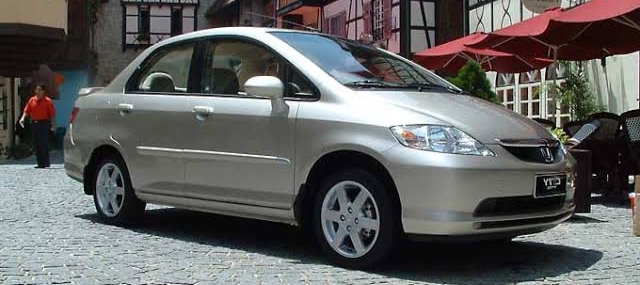
Car vibrations when idle can be a perplexing issue for drivers, causing discomfort and raising concerns about potential underlying problems.
While occasional mild vibrations may be normal, persistent or intense shaking can be indicative of various issues within the vehicle.
In this article, we will explore the reasons why cars vibrate when idle and delve into possible solutions for each.
1. Engine Misfire
One common culprit for car vibrations at idle is an engine misfire.
When one or more cylinders fail to ignite properly, it can lead to uneven engine performance and noticeable shakes.
Causes of misfires include faulty spark plugs, ignition coils, or fuel injectors. Regular maintenance and timely replacements can help mitigate this issue.
2. Worn Engine Mounts
Engine mounts play a crucial role in stabilizing the engine and minimizing vibrations.
Over time, these mounts can wear out, leading to increased engine movement and vibrations.
Inspecting and replacing worn-out engine mounts can restore stability and reduce idle vibrations.
3. Vacuum Leaks
Vacuum leaks in the engine’s intake system can disrupt the air-fuel mixture, affecting combustion efficiency.
The irregular combustion can result in vibrations at idle.
Identifying and fixing vacuum leaks through careful inspection and seal replacements can resolve this issue.
4. Faulty Idle Air Control Valve (IACV)
The IACV regulates the engine’s idle speed by controlling the amount of air entering the intake manifold.
A malfunctioning IACV can cause irregular idling and vibrations.
Cleaning or replacing the IACV, as recommended by the vehicle’s maintenance schedule, can help restore smooth idling.
5. Unbalanced or Worn-out Components
Various rotating components, such as the crankshaft, flywheel, or pulleys, can become unbalanced or worn out over time.
This imbalance can lead to vibrations throughout the vehicle, especially at idle.
Regular maintenance, including balancing and inspections, can prevent or address this issue.
6. Transmission Issues
Transmission problems, such as a failing torque converter or worn-out transmission mounts, can contribute to vibrations when the vehicle is in gear and idle.
Diagnosing and addressing these transmission-related issues is crucial for maintaining smooth idling.
7. Dirty or Clogged Fuel Injectors
Dirty or clogged fuel injectors can disrupt the proper fuel spray pattern, affecting combustion efficiency.
This can result in engine vibrations at idle. Periodic fuel system cleaning and using high-quality fuel can help prevent injector issues.
Finally, car vibrations when idle can stem from various sources, ranging from engine-related problems to worn-out components.
Regular maintenance, timely inspections, and addressing issues promptly are essential for ensuring a smooth and comfortable driving experience.
If the vibrations persist or worsen, consulting with a professional mechanic for a thorough diagnosis and appropriate repairs is highly recommended.


Two Separate Highway Crashes Leave One Dead, Several Injured in Katsina

Victor Osimhen Reportedly Buys ₦1.4 Billion Lamborghini Revuelto Supercar

Truck Crash Kills Three After Collision With Parked Trailer in Kano

3 Killed, 6 Injured in Multiple-Vehicle Crash on Lagos–Abeokuta Expressway

Multi-Vehicle Crash Causes Fire and Gridlock on Admiralty Way, Lagos
Two Killed in Multi-Vehicle Crash Involving Truck, Bus and Motorcycle
Seven Killed, Eight Injured in Pakistan Makran Coastal Highway Crash
1 Killed as Speeding Bike Loses Control in Trichy

Kenya Report Reveals Heavy Cost of Road Traffic Injuries on Healthcare System

Serious Two‑Vehicle Crash in South Burnett, Australia
Serious Two‑Vehicle Crash in South Burnett, Australia
Seven Killed, Eight Injured in Pakistan Makran Coastal Highway Crash
Kenya Report Reveals Heavy Cost of Road Traffic Injuries on Healthcare System
Multi-Vehicle Crash Causes Fire and Gridlock on Admiralty Way, Lagos
Victor Osimhen Reportedly Buys ₦1.4 Billion Lamborghini Revuelto Supercar
1 Killed as Speeding Bike Loses Control in Trichy
3 Killed, 6 Injured in Multiple-Vehicle Crash on Lagos–Abeokuta Expressway
Two Killed in Multi-Vehicle Crash Involving Truck, Bus and Motorcycle
Truck Crash Kills Three After Collision With Parked Trailer in Kano
Two Separate Highway Crashes Leave One Dead, Several Injured in Katsina

Slow Down: Man got his Family Killed by neglecting road signs

Which Bridge is the Tallest in the World?
Impatient Driving Cause Road Accident
How Roads are Constructed on the Mountain

Texas, USA suffers heavy flooding