
Car/Vehicle Maintenance
Warning Signs of Brake Failure Every Driver Must Know

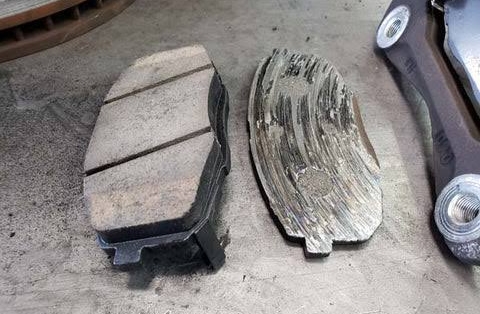
Brake failure remains one of the most dangerous mechanical issues on Nigerian roads, often resulting in catastrophic crashes, especially on highways and steep urban corridors.
Also Read: How to Detect and Prevent Brake Failure Before It Happens
Road safety officials and auto technicians warn that many brake-related accidents could be prevented if motorists recognised early warning signs and acted promptly.
RoadKing.ng investigations show that a significant number of crashes involving buses, trucks, and private vehicles stem from neglected brake systems, poor maintenance culture, and the use of substandard spare parts.
Common Warning Signs of Brake Failure
1. Squealing or Grinding Noises
High-pitched squeals often indicate worn brake pads, while grinding sounds may mean the pads are completely exhausted and metal is rubbing against metal. This is a critical stage where stopping power is already compromised.
2. Soft or Spongy Brake Pedal
If the brake pedal sinks to the floor or feels unusually soft, it may point to air in the brake lines, leaking brake fluid, or failing master cylinders, all serious conditions requiring urgent attention.
3. Vehicle Pulling to One Side
When a car swerves left or right during braking, it may indicate uneven brake pad wear, a stuck caliper, or fluid imbalance, increasing the risk of losing control during emergency stops.
4. Vibrations When Braking
Steering wheel or pedal vibration often signals warped brake rotors. This reduces braking efficiency and lengthens stopping distance, especially at high speed.
5. Brake Warning Light
Modern vehicles are equipped with dashboard indicators. Ignoring a brake warning light could mean low brake fluid, worn components, or electronic brake faults.
6. Burning Smell or Smoke
A sharp burning odour after braking may indicate overheated pads or seized components. Continuing to drive in this condition could lead to complete brake failure.
What Drivers Should Do Immediately
Auto technicians advise motorists to take the following steps once any brake warning sign appears:
- Stop driving the vehicle as soon as it is safe.
- Check brake fluid levels if accessible.
- Visit a certified mechanic or service centre immediately.
- Avoid long trips and highway driving until the issue is fixed.
- Do not manage brake problems with roadside adjustments.
Transport safety analysts warn that many drivers delay brake repairs due to cost concerns, yet brake-related crashes often result in fatalities, vehicle destruction, and long-term medical expenses far exceeding repair costs.
FRSC safety officers consistently caution that no vehicle should be on the road with compromised braking systems, particularly commercial vehicles carrying passengers.
Preventive Maintenance Tips
Experts recommend:
- Servicing brake systems every 10,000–15,000 km
- Using quality brake pads and fluids
- Inspecting brakes before long-distance travel
- Avoiding overloading, which accelerates brake wear
Conclusion
Brakes are a vehicle’s most critical safety system. Recognising early warning signs and acting quickly can prevent avoidable tragedies.
On Nigerian roads, where traffic conditions are unpredictable, functional brakes are not optional, they are lifesaving.




Five Die as Truck, Car Collide on Badagry Expressway

Two Killed as Trucks Collide, Burst Into Flames on Anambra Road

Stakeholders Raise Alarm Over Safety Gaps in Nigeria’s CNG and Electric Vehicle Transition

Female Driver Dies in Tragic Road Crash at Mongoro, Ile-Zik Area of Lagos

Physically Challenged Beggar Killed in Multi-Vehicle Crash on Lagos-Ibadan Expressway

Court Bars FRSC Officials From State Roads

24 Pupils Killed in Tragic Bus Crash During School Excursion in Uganda

Tyre Blowouts on Heavy Trucks

BYD Seal EV: Can It Challenge Traditional Sedans?

Colorado to Strengthen Driver Education Requirements

Slow Down: Man got his Family Killed by neglecting road signs

Which Bridge is the Tallest in the World?
Impatient Driving Cause Road Accident
How Roads are Constructed on the Mountain

Texas, USA suffers heavy flooding