
Driver Training
Driver Fatigue: The Silent Killer on Nigerian Roads

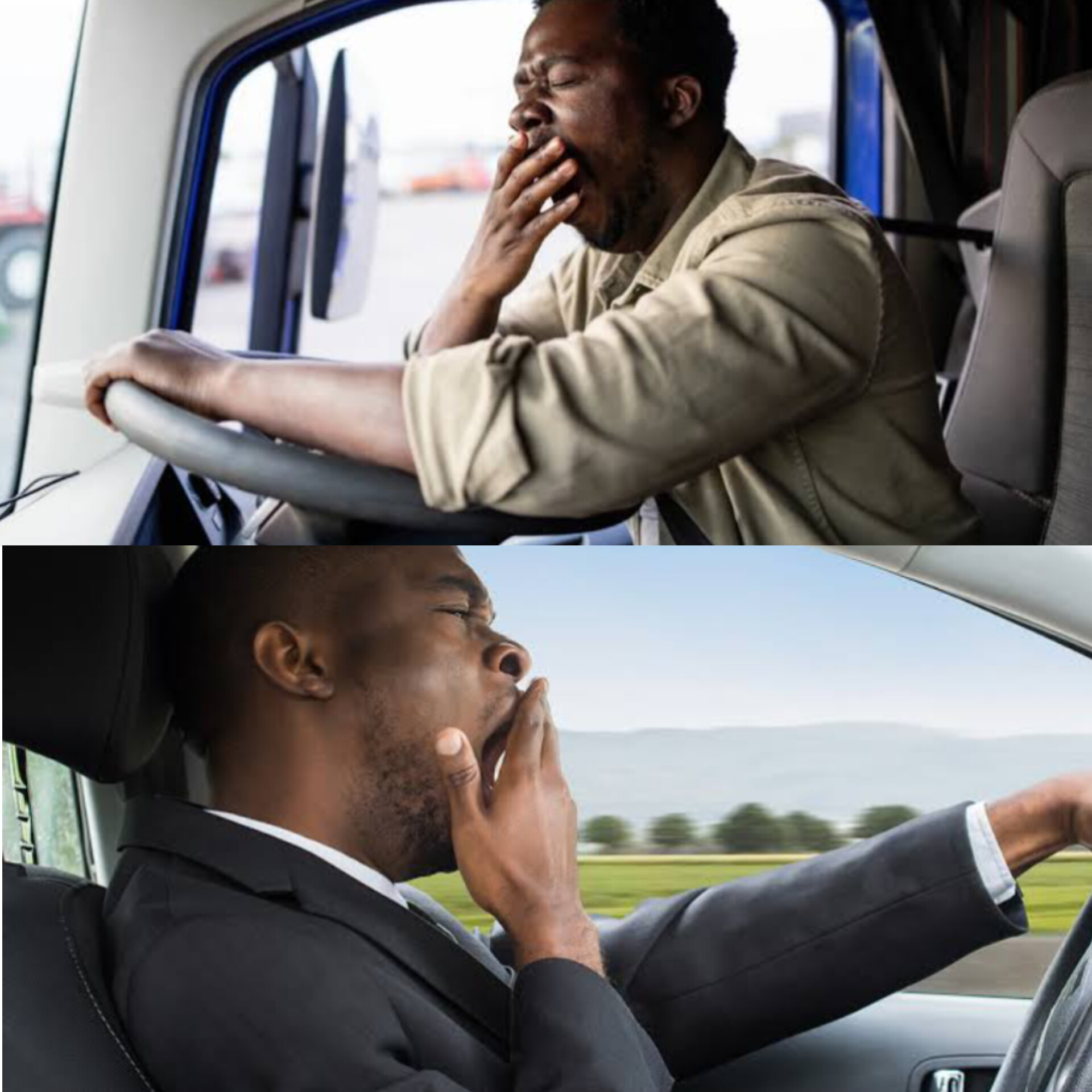
Every year, thousands of lives are lost not because of reckless overtaking, over-speeding, or poor road conditions simply because drivers fall asleep at the wheel. Known as driver fatigue, this silent killer remains one of the least discussed yet most dangerous threats on Nigerian highways.
Also Read: 5 Hidden Dangers of Night Driving You’re Probably Ignoring
The Federal Road Safety Corps (FRSC) has repeatedly warned that fatigue-related crashes account for a significant percentage of night-time accidents, especially involving long-haul truck drivers and intercity buses.
What Is Driver Fatigue?
Driver fatigue is a state of extreme tiredness that reduces reaction time, concentration, and decision-making ability. Unlike alcohol or drug impairment, fatigue cannot be measured instantly, making it even more dangerous.
Common causes include:
- Long working hours without proper rest
- Driving overnight when the body’s biological clock signals sleep
- Underlying medical conditions like sleep apnea
- Stress and poor nutrition
- Lack of proper sleep schedules among commercial drivers.
How Fatigue Causes Accidents
Fatigue mimics alcohol intoxication. According to research:
- Being awake for 18 hours is equivalent to a blood alcohol concentration (BAC) of 0.05%.
- Being awake for 24 hours equals a BAC of 0.10%, which is above the legal driving limit in most countries.
Fatigued drivers often:
- Drift between lanes
- Fail to notice traffic signs or hazards
- Misjudge distances
- Completely fall asleep behind the wheel
On major Nigerian highways like Abuja–Lokoja, Lagos-Ibadan, and Kano-Kaduna, these risks are magnified due to long stretches with poor lighting and inadequate rest stops.
Real-Life Implications
In 2023, FRSC reported that over 20% of commercial bus accidents between midnight and 6AM were linked to fatigue.
In July 2024, a night bus traveling from Lagos to Kano collided head-on with a trailer after the bus driver allegedly dozed off. The crash claimed 14 lives.
Survivors often recount that drivers ignored passengers’ pleas to rest, prioritizing arrival time over safety.
RoadKing.ng Safety Recommendations
- Mandatory Rest Periods for Drivers: Commercial drivers should have regulated duty hours similar to aviation pilots. A maximum of 8 driving hours per shift should be enforced.
- Rest Stops and Sleep Areas: Government and private operators must build designated rest stops along major highways. These stops should provide affordable lodging, meals, and secure parking.
- Passenger Empowerment: Passengers must feel empowered to demand that drivers rest when fatigue signs are obvious. Transport companies should have hotlines for passenger complaints.
- Technological Interventions: Fleet operators should install fatigue detection systems that monitor driver eye movements and lane drifting. GPS tracking should be used to enforce mandatory stops.
- Public Awareness: Campaigns: Campaigns such as “Don’t Drive Tired” should be run nationwide, especially during festive seasons when overnight travel peaks.
Conclusion
Fatigue-related accidents are preventable. Unlike bad roads or sudden mechanical failure, sleep deprivation is a human-controlled risk. Until Nigerian drivers and authorities treat fatigue as seriously as drunk driving, needless deaths will continue on our highways.
The truth is simple: Better late than never. Rest today, arrive alive tomorrow.

Truck Driver Rescued After Crash on M13 Highway in Kloof

10 Injured in Multi-Vehicle Crash on Agra–Lucknow Expressway

29 Passengers Injured After Bus Veers Off Highway in Gujarat, India

Pedestrian Killed in Hit-and-Run on Lagos–Ibadan Expressway

One Dead, 11 Injured in Brooklyn Chain-Reaction Crash Involving FDNY Fire Truck

Truck Overturns on Otedola Bridge, Causing Major Traffic Gridlock in Lagos

Two Separate Highway Crashes Leave One Dead, Several Injured in Katsina

Victor Osimhen Reportedly Buys ₦1.4 Billion Lamborghini Revuelto Supercar

Truck Crash Kills Three After Collision With Parked Trailer in Kano

3 Killed, 6 Injured in Multiple-Vehicle Crash on Lagos–Abeokuta Expressway
Serious Two‑Vehicle Crash in South Burnett, Australia
Seven Killed, Eight Injured in Pakistan Makran Coastal Highway Crash
Multi-Vehicle Crash Causes Fire and Gridlock on Admiralty Way, Lagos

Kenya Report Reveals Heavy Cost of Road Traffic Injuries on Healthcare System
Victor Osimhen Reportedly Buys ₦1.4 Billion Lamborghini Revuelto Supercar
1 Killed as Speeding Bike Loses Control in Trichy
One Dead, 11 Injured in Brooklyn Chain-Reaction Crash Involving FDNY Fire Truck
3 Killed, 6 Injured in Multiple-Vehicle Crash on Lagos–Abeokuta Expressway
Pedestrian Killed in Hit-and-Run on Lagos–Ibadan Expressway
Truck Crash Kills Three After Collision With Parked Trailer in Kano

Slow Down: Man got his Family Killed by neglecting road signs

Which Bridge is the Tallest in the World?
Impatient Driving Cause Road Accident
How Roads are Constructed on the Mountain

Texas, USA suffers heavy flooding