
News Update
How FRSC Targeted Patrols & Special Operations Are Reducing Road Crashes in Nigeria

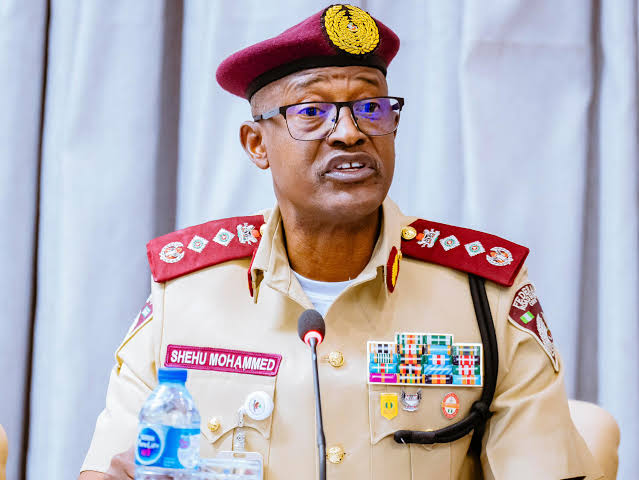
When motorists spot the flashing amber lights of a patrol van by the roadside, reactions differ, some slow down instinctively, others panic, a few attempt illegal U-turns, and many mutter complaints under their breath.
Also Read: Suspect Arrested in Ghana for Ritual Killing of FRSC Officer & Daughter
Yet behind that single patrol unit lies a nationwide strategy that has quietly become one of Nigeria’s most powerful tools against road deaths: targeted patrols and special operations.
Spearheaded by the Federal Road Safety Corps, this enforcement model is no longer random or reactionary. It is strategic, data-driven, and increasingly technology-backed.
In a country where thousands of lives are still lost annually to road crashes, targeted patrols are fast becoming the frontline weapon in the war for safer roads.
In the early years of traffic enforcement in Nigeria, patrols were largely routine and predictable. Officers mounted roadblocks at known points, mostly during daylight hours.
While this created some level of deterrence, it also allowed habitual offenders to study patterns, bypass checkpoints, and continue driving dangerously.
Over time, the FRSC recognised a hard truth: you cannot reduce modern road crashes with outdated enforcement tactics.
Today, patrol deployment is driven by:
- Crash trend analysis
- Time-of-day risk profiling
- Seasonal travel patterns
- Previous year fatality records
- Road condition intelligence
High-risk corridors such as the Lagos–Ibadan Expressway, Benin–Ore Road, Abuja–Lokoja Highway, and Onitsha–Owerri Road now receive heavier, unpredictable patrol coverage based on historical crash patterns rather than guesswork.
What Exactly Are “Special Operations”?
Special operations are time-bound, mission-focused enforcement campaigns launched to confront specific dangerous behaviors that spike fatalities. Unlike normal patrols, these operations come with:
- Nationwide or zonal mobilisation
- Media sensitisation ahead of enforcement
- Temporary surge in personnel and logistics
- Clear violation targets
Some of the most well-known include:
- Operation Zero Tolerance – massive festive-season deployment
- Operation Safe Corridor – focused on accident blackspots
- Operation Cobra – targeting drunk and drugged driving
- Operation Isangtim – speed and reckless driving crackdown in Cross River State
Each operation blends enforcement with public education to ensure drivers are warned before the hammer drops.
A targeted patrol is not just officers standing by the roadside. It is a coordinated field operation involving:
Strategic Positioning
Patrol units are placed at:
- Downhill slopes
- Sharp bends
- Bridge approaches
- Highway intersections
- School zones
- Busy commercial corridors
Multi-Layer Monitoring
Officers simultaneously watch for:
- Speeding
- Seatbelt violations
- Phone use while driving
- Overloading
- Expired tyres
- Broken headlamps at night
- Fake number plates
Real-Time Decision Making
Once violation trends spike in a location, patrol units can be redirected within hours to maintain pressure.
Targeted patrols today are no longer enforcement by bare hands alone. The FRSC now operates with:
- Speed radar guns for instant velocity detection
- Breathalysers for alcohol checks
- Handheld ticketing devices linked to national offender databases
- Vehicle inspection tools for tyre depth, brake response, and lighting failures
- Body cameras (limited deployments) to improve officer accountability
- Dedicated patrol vehicles and bikes for rapid interception
These tools have radically reduced disputes at checkpoints and strengthened prosecution success in court.
Why Targeted Patrols Are More Effective Than Random Enforcement
Traditional enforcement spreads resources thin. Targeted patrols do the opposite, they concentrate maximum pressure on minimum high-risk zones.
This approach delivers:
- Higher arrest-to-deployment ratio
- Faster accident rate reduction in hotspot zones
- Stronger driver compliance through unpredictability
- Reduced patrol fatigue for officers
In simple terms, it is precision policing for Nigeria’s roads.
Festive Seasons: When Targeted Patrols Matter Most
Every year, between mid-December and early January, Nigeria witnesses one of its deadliest traffic windows. Increased travel, night driving, alcohol consumption, and driver impatience combine into a perfect disaster cocktail.
This is where Operation Zero Tolerance becomes critical.
During this period:
- Patrol hours are extended into deep night shifts
- Emergency rescue units are pre-positioned
- Speed enforcement is doubled
- Commercial drivers face stricter checks on fatigue and vehicle fitness
The goal is simple: prevent mass-casualty crashes before they happen.
The Human Cost Behind the Strategy
Behind every targeted patrol van is a painful reality, crashes they arrived at just minutes too late:
- Mangled school buses
- Charred passenger vehicles
- Families wiped out on return journeys
- Breadwinners lost to speeding trucks
For many officers, targeted patrols are not just assignments; they are emotional missions driven by scenes they can never unsee.
Challenges Undermining Effective Enforcement
Despite its gains, targeted patrol enforcement still battles:
⚠️ Corruption Pressure
Some drivers attempt to bribe officers to evade arrest, diluting deterrence impact.
⚠️ Violence Against Officers
FRSC personnel have been assaulted, injured, and even killed during enforcement.
⚠️ Logistics Gaps
Nigeria’s road network far exceeds current patrol capacity.
⚠️ Public Resistance
Many road users still view enforcement as punishment instead of protection.
Technology and the Future of Targeted Enforcement
The next phase of targeted patrols is digital. Plans and pilot projects now focus on:
- Automated speed cameras
- AI-powered traffic violation detection
- Drone patrols for inaccessible corridors
- Centralised national offender databases
- Smart traffic lights linked to law enforcement
These systems aim to reduce human interference, corruption, and enforcement blind spots.
Are Targeted Patrols Actually Saving Lives?
While challenges remain, evidence on Nigerian roads is increasingly clear:
- Fatal crashes reduce when enforcement becomes dense and unpredictable
- Seatbelt and helmet usage rises in zones with consistent patrol presence
- Speed compliance improves once radar deployments become routine
- Driver behavior actually changes when punishment becomes certain
The slogan may be simple, but the message is powerful:
Visible enforcement saves invisible lives.
The Road Ahead for FRSC Enforcement
Targeted patrols and special operations have repositioned the FRSC from reactive responders to predictive road safety managers. If sustained, technologically strengthened, and insulated from corruption, this model could deliver Nigeria’s most significant road fatality reductions in decades.
But success also depends on one uncomfortable truth:
Enforcement alone cannot save Nigeria’s roads, drivers must choose to be saved.






FRSC Orders Construction Firms to Install Proper Road Signs Nationwide to Curb Rising Highway Deaths

Six Die, Five Injured in Fatal Collision at Nawfia, Anambra

Mali’s Fuel Shortage Eases as Over 300 Tankers Reach Bamako under Alliance of Sahel States (AES) Escort

Three Dead as Tanker Explosion Rocks Kano

5 Reliable Cars You Can Still Buy With ₦3–5 Million In Nigeria

Three Dead in Horror N4 Crash Near Middelburg Dam After Bakkies Collide
How FRSC Targeted Patrols & Special Operations Are Reducing Road Crashes in Nigeria

Over 500 Foreigners Intercepted on Adamawa Highway, Escorted Back by Security Forces

Suspect Arrested in Ghana for Ritual Killing of FRSC Officer & Daughter

ISUZU Makes Big Statement as Emeka Offor Endorses JIM Smart Pickup at Abuja Fair
5 Reliable Cars You Can Still Buy With ₦3–5 Million In Nigeria
Three Dead as Tanker Explosion Rocks Kano
Over 500 Foreigners Intercepted on Adamawa Highway, Escorted Back by Security Forces
Three Dead in Horror N4 Crash Near Middelburg Dam After Bakkies Collide
How FRSC Targeted Patrols & Special Operations Are Reducing Road Crashes in Nigeria
Mali’s Fuel Shortage Eases as Over 300 Tankers Reach Bamako under Alliance of Sahel States (AES) Escort
FRSC Orders Construction Firms to Install Proper Road Signs Nationwide to Curb Rising Highway Deaths
Six Die, Five Injured in Fatal Collision at Nawfia, Anambra

Slow Down: Man got his Family Killed by neglecting road signs

Which Bridge is the Tallest in the World?
Impatient Driving Cause Road Accident
How Roads are Constructed on the Mountain

Texas, USA suffers heavy flooding