
Automotive Spotlight & Review
Hyundai vs Kia: Which Brand Truly Delivers for Our Roads, Wallets, and Daily Hustle?


Hyundai or Kia, which one actually survives Lagos potholes, Enugu rain, and Abuja heat without draining your pocket? We tested the rivalry the RoadKing way.
Also Read: 2026 Toyota Camry Hybrid: Redefined for Efficiency, Comfort, and Value
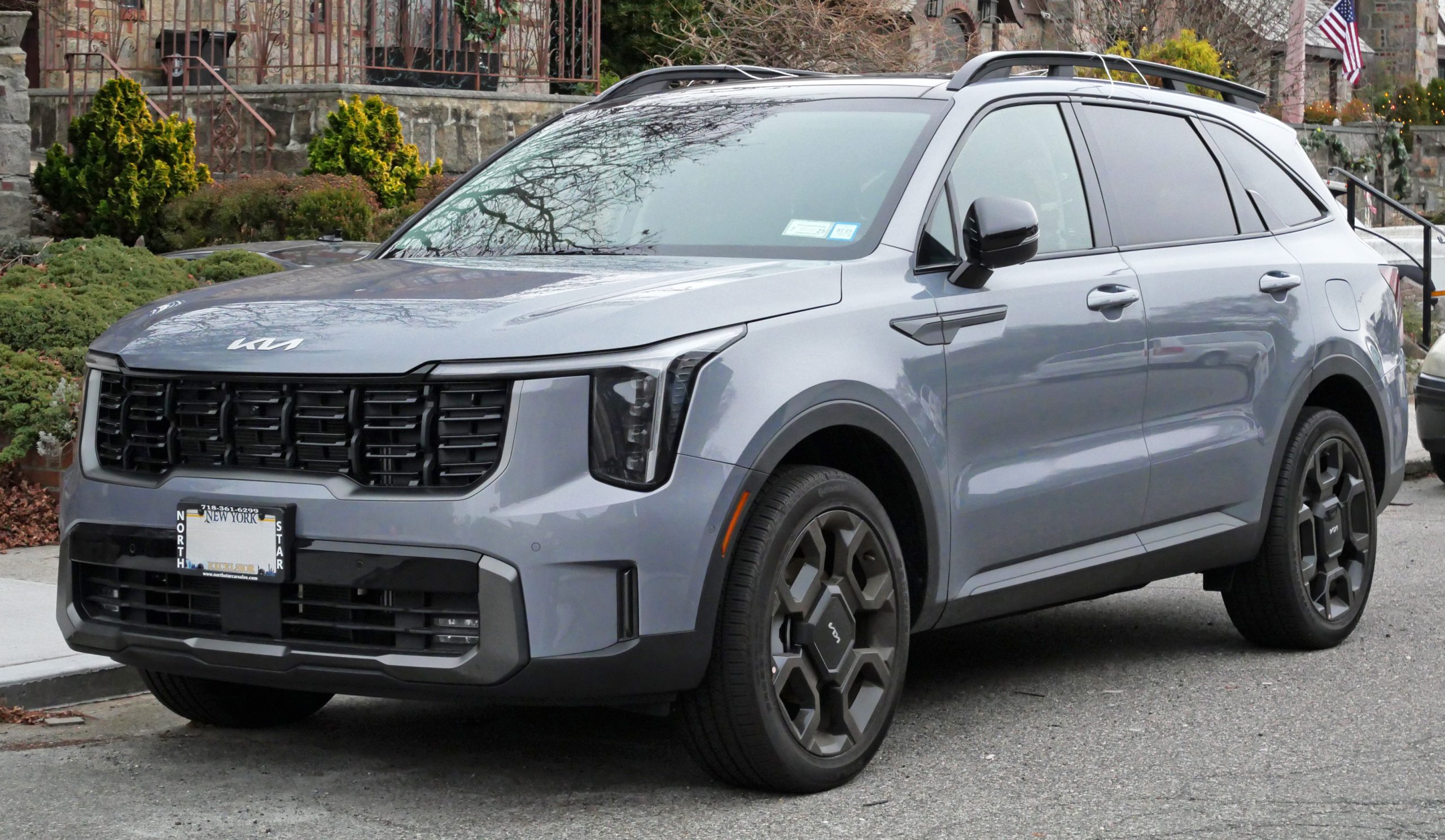
Reliability & Durability: Both brands now score well globally; Hyundai-Kia group racks up strong safety awards and improved reliability.
- Edge: Draw, with a slight tilt to Hyundai for warranty coverage clarity.
Safety: Hyundai Motor Group (Hyundai + Kia) leads recent IIHS awards, with multiple 2025 TOP SAFETY PICK/TSP+ winners.
- Edge: Draw at group level; model-by-model checks matter.
Maintenance & Parts in Nigeria: Official networks exist for both: Hyundai via Stallion Group, Kia via Dana Motors (with local assembly history). Urban parts access is decent; verify model-specific availability.
- Edge: Slight Kia advantage where Dana’s network stocks common SUV/crossover parts; Slight Hyundai advantage in warranty. Overall: Draw.
Resale Value: Both depreciate faster than Toyota/Honda globally; bargains as Tokunbo or nearly-new.
- Edge: Draw to Slight Kia depreciation (good for buyers, not sellers).
Nigerian Road Adaptability: Compact crossovers (Tucson, Sportage, Seltos, Creta) with higher clearance fare best on bad roads.
- Edge: Model-dependent Draw.
Verdict: Buy the best-maintained, best-documented unit in the specific model you want; prioritize ground clearance, cooling, and parts stocking. If buying brand-new, Hyundai’s warranty terms are a practical win. If buying used, shop depreciation in Kia/Hyundai for value, then validate service history.
The Background: Why This Rivalry Matters Here
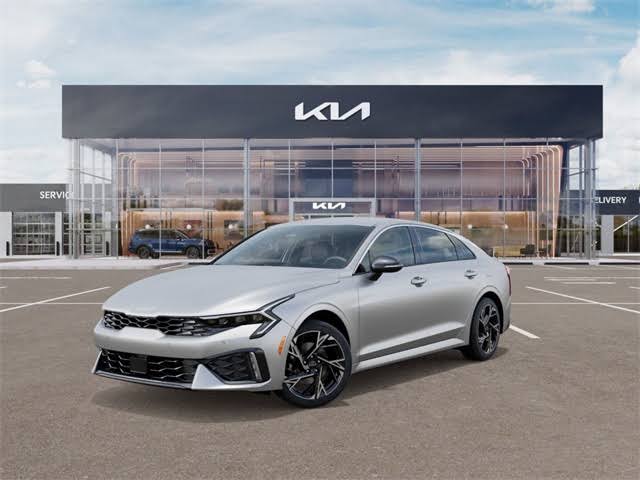
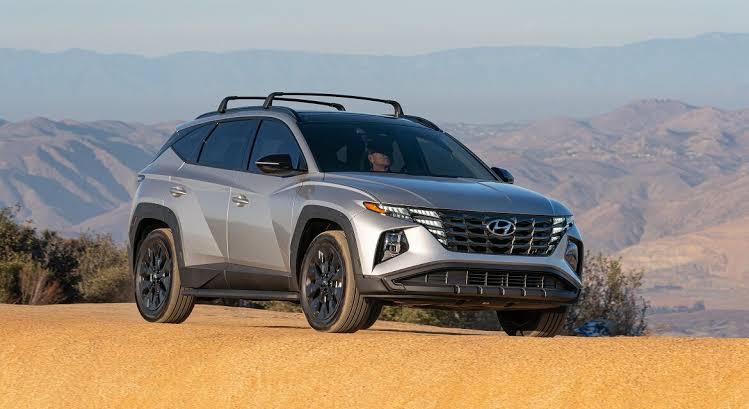
Hyundai and Kia share platforms and technology under Hyundai Motor Group, but in Nigeria they’re sold and supported by different partners: Hyundai by Stallion Group and Kia by Dana Motors. That means similar engineering DNA, but different after sales networks, which can be decisive in Lagos, Port Harcourt, and Kano where dealer footprint and parts logistics matter.
Dana has assembled Kia models in Lagos under Nigeria’s auto policy, useful for local familiarity and parts stocking. Stallion has long distributed Hyundai, with service points and EV pilots. For buyers, this translates to real-world access to technicians, diagnostics, and faster parts turnarounds, especially for popular crossovers.
Reliability & Durability (Global Data, Local Reality)
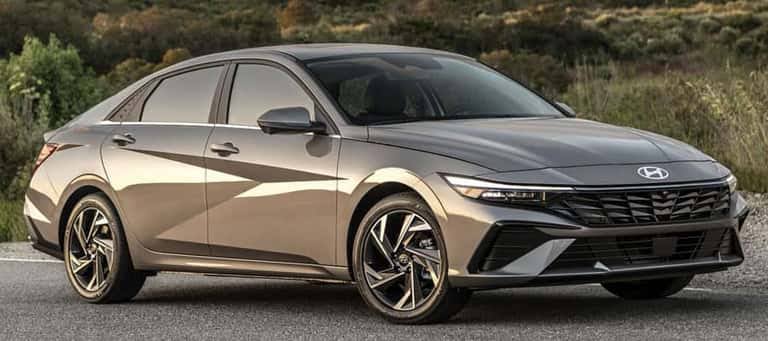
Globally, Consumer Reports and others now place Hyundai and Kia among reliable mass-market brands, reflecting the group’s investment in powertrains and quality control. For 2025 models, they show strong reliability momentum. Locally, the story aligns when maintenance is done on schedule with proper fluids and genuine parts.
On dependability (3-year ownership), J.D. Power’s 2024 VDS highlights Toyota/Lexus at the top, but Hyundai/Kia have steadily improved since the 2010s. Takeaway for Nigeria: both brands are no longer the “cheap but fragile” choice, they’re credible daily drivers if you maintain them right and avoid flood-damaged imports.
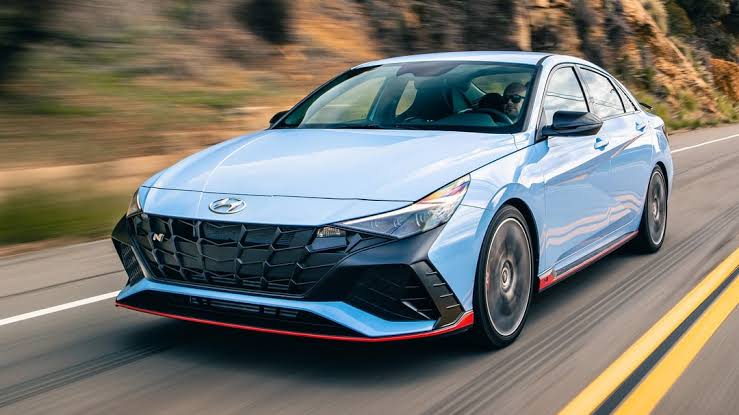
RoadKing Tip: For used imports, scan for previous accident/flood markers, insist on OBD scans, and budget proactive replacement for cooling components, bushings, and dampers the parts most punished by our heat and rough roads.
Safety: Crashworthiness & Driver Aids
The Insurance Institute for Highway Safety (IIHS) awarded multiple 2025 TOP SAFETY PICK/TSP+ ratings across Hyundai and Kia lineups (Elantra/K4, Sonata, Ioniq 5/6, Tucson, etc.). Both brands pack advanced driver-assist (AEB, lane keep, blind spot). On Nigerian highways (Benin–Ore, Abuja–Lokoja), these features mitigate fatigue and surprises. Edge: Draw at group level, choose by the specific model’s IIHS/NHTSA rating.
Powertrain & Performance (With Nigerian Use in Mind)
Urban use: 1.6–2.0L petrol engines in Hyundai Creta/Tucson and Kia Seltos/Sportage balance fuel economy and torque. Dual-clutch or conventional automatics vary by trim; in traffic/heat, a well-cooled conventional torque-converter auto generally suffers less.

Highway/long-haul: 2.0–2.4L NA or the newer 1.6T engines offer confident overtakes; however, heat management is critical, keep radiators clean and fans healthy.
Ground clearance: Crossovers beat sedans. On untarred stretches or rainy season washouts, the Sportage/Tucson shine vs Cerato/Elantra.
(Confirm specific trims’ ratings at purchase; our roads punish low-slung sedans more.)
Warranty & Peace of Mind (New Buyers)
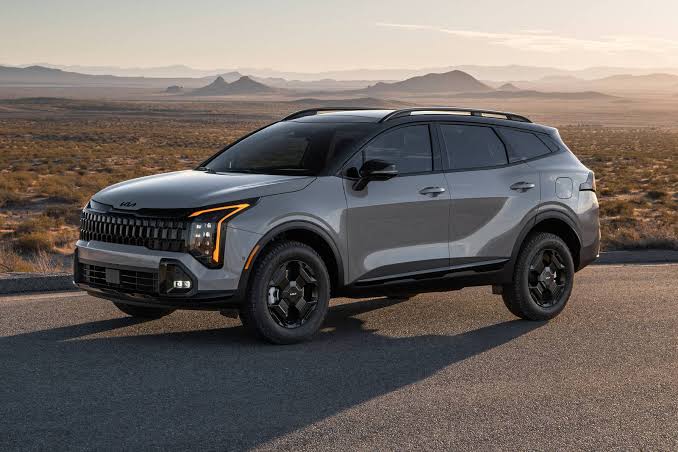
Hyundai advertises one of the industry’s strongest warranties: 5-year/60,000-mile basic and 10-year/100,000-mile powertrain (original owner), plus 7-year anti-perforation and roadside assistance. This is a practical safety net for Nigerian buyers choosing brand-new via the official channel. Note that the 10-year powertrain typically applies only to first owners, and regional terms can vary, verify with your local dealer.
Kia’s official Nigeria site emphasizes support and nationwide presence via Dana; warranty specifics should be confirmed at the dealership per model year and importer policy. Bottom line: If buying new, Hyundai’s globally advertised warranty structure is a slight comfort edge; Kia buyers should obtain written local warranty terms.
Maintenance, Parts & Aftersales (Nigeria)
Networks:
- Hyundai: Stallion Group – longstanding nationwide sales/aftersales presence.
- Kia: Dana Motors – sole distributor with assembly history and workshops nationwide.
Parts Access: Lagos’ Ladipo and other markets stock multi-brand components; Abuja’s Wuse has Volkswagen/Peugeot/Hyundai presence. Always prefer OEM or quality aftermarket; avoid counterfeit.
Costs: Global chatter says Hyundai/Kia parts can be pricier than expected for body panels; in Nigeria, wear items (pads, links, shocks) are available, but trim/panel parts may need ordering, factor in wait time.
What mechanics say: Success depends on specialist scanners and correct fluids (ATF/DCT-specific). A non-specialist “general” fix can create the myth of “Hyundai/Kia are fragile.” Our view: the brand is fine; the maintenance discipline is the variable.
Resale Value (Who Wins Your Wallet Later?)
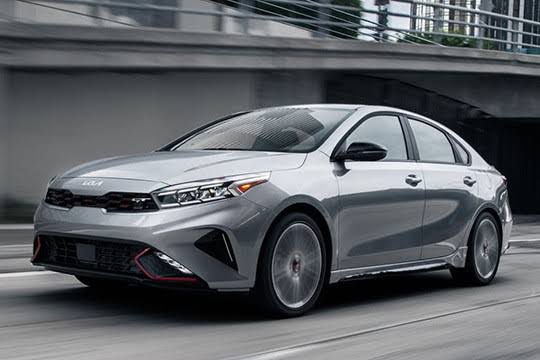
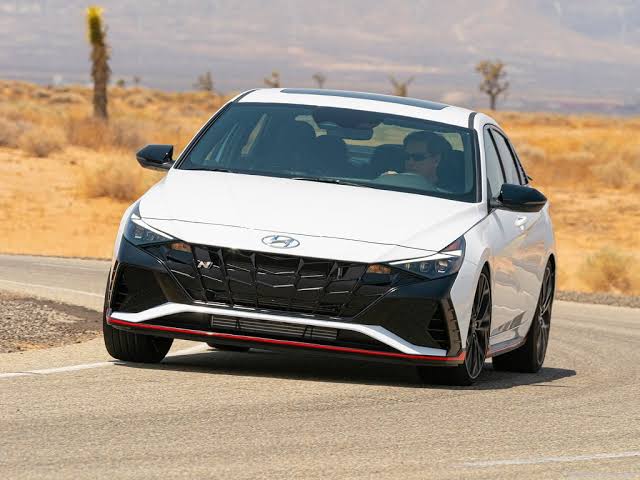
On global forums and used-market trends, Hyundai/Kia depreciate faster than Toyota/Honda. For a Nigerian buyer, this is good news if you’re purchasing used (you get more car per naira), but softer if you plan to sell within 2–4 years. Check local demand for specific models (e.g., Sportage/Tucson hold better than small sedans).
Interior Tech, Comfort & Design
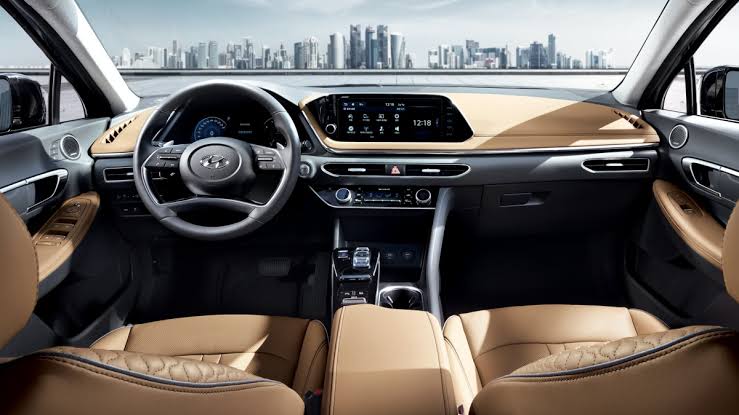
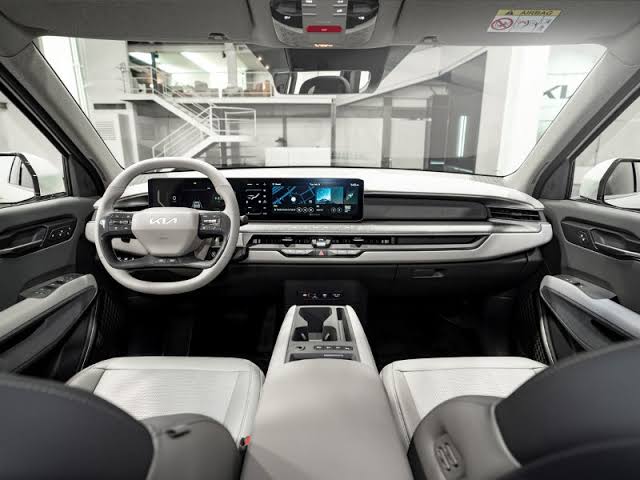
Both brands offer feature-rich cabins at friendlier prices: large infotainment, Android Auto/CarPlay, multiple USB-Cs, smart keys, and excellent NVH improvements since about 2018. Kia often leans stylish/edgy (e.g., Sportage’s cockpit), Hyundai leans clean/minimal (Tucson/Elantra). Test the AC performance at idle critical for gridlock.
Fuel Economy & Total Cost of Ownership
Hyundai and Kia mass-market petrol engines are generally efficient, especially newer CVVD/Smartstream units. In Nigeria, fuel quality variance can affect injectors and O2 sensors, use reputable stations, and consider shorter oil intervals (5k–7.5k km) to fight dust/heat. Punch’s roundups of low-maintenance cars often include models from these brands, indicating reasonable running costs if maintained properly.
Nigerian Road Reality Check (What to Inspect)
- Ground Clearance: Prefer crossovers (Creta/Seltos; Tucson/Sportage).
- Cooling: Inspect radiator, condenser, fans; insist on live-temp scans.
- Suspension: Bushings, control arms, stabilizer links, budget refresh on used imports.
- Transmission: Confirm fluid spec (ATF/DCT) and service history, wrong fluid ruins boxes.
- Electrics: Scan for prior flood damage (rusty connectors, damp carpet smell).
- Tires: Many imports arrive on old, hard rubber, replace with proper load/speed rating.
Model Matchups Nigerians Ask About
Hyundai Tucson vs Kia Sportage
Same basic platform and engines in many years, different tuning and design. Sportage skews stylish; Tucson skews refined. On truly rough patches, trims with multi-link rear and robust dampers feel calmer.
- Edge: Draw pick the better-kept unit and the dealer with parts-in-hand.
Hyundai Creta vs Kia Seltos
Both are city-friendly with enough clearance for bad roads at moderate speeds. Check rear shock health and engine mounts on used units.
- Edge: Draw, choose based on available safety tech (AEB) and the condition of the specific car.
Hyundai Elantra vs Kia Cerato (Forte)
Sedans ride lower; great for paved city/highway but less forgiving on cratered streets. If your commute includes deep gutters/speed bumps, budget for skid plates and careful driving.
- Edge: Draw unless your routes are rough, then pivot to crossovers.
Safety Awards Snapshot (Why It Matters)
In 2024–2025 testing, Hyundai Motor Group collected the most IIHS awards across Hyundai/Kia/Genesis, signaling strong crash protection and headlights performance. For families in Lagos/Abuja/Enugu doing school runs and intercity trips, this matters more than badge status. Verify the exact year/trim’s score before you buy.
Aftersales Networks You’ll Use
Hyundai Nigeria (Stallion Group): Nationwide sales/aftersales; official model lineup and dealer locator on Hyundai’s Nigeria site.
Kia Nigeria (Dana Motors): Sole distributor with service outlets; history of local assembly in Lagos-good sign for technical familiarity and parts logistics.
The RoadKing Verdict (Actionable)
If buying brand-new:
- Hyundai gets a slight edge for clearly advertised warranty coverage (confirm local specifics in writing).
- Kia remains highly competitive, let dealer parts availability and service package decide.
If buying used (Tokunbo or Nigerian-used):
- Target Hyundai/Kia crossovers (Tucson/Sportage/Creta/Seltos) with documented services.
- Leverage softer depreciation to get higher trim for less; spend the savings on cooling + suspension refresh.
Either way:
- Choose the dealer/workshop first, the badge second.
- Scan, test, and verify model-specific parts availability before you pay.
Bottom line: In 2025 Nigeria, Hyundai vs Kia is a draw decided by the specific car and the strength of your service network. Let warranty (new) or depreciation value (used) be your tiebreaker.

Two Separate Highway Crashes Leave One Dead, Several Injured in Katsina

Victor Osimhen Reportedly Buys ₦1.4 Billion Lamborghini Revuelto Supercar

Truck Crash Kills Three After Collision With Parked Trailer in Kano

3 Killed, 6 Injured in Multiple-Vehicle Crash on Lagos–Abeokuta Expressway

Multi-Vehicle Crash Causes Fire and Gridlock on Admiralty Way, Lagos
Two Killed in Multi-Vehicle Crash Involving Truck, Bus and Motorcycle
Seven Killed, Eight Injured in Pakistan Makran Coastal Highway Crash
1 Killed as Speeding Bike Loses Control in Trichy

Kenya Report Reveals Heavy Cost of Road Traffic Injuries on Healthcare System

Serious Two‑Vehicle Crash in South Burnett, Australia

Serious Two‑Vehicle Crash in South Burnett, Australia
Three Killed in Deadly Crash on Betul Road in Madhya Pradesh
Seven Killed, Eight Injured in Pakistan Makran Coastal Highway Crash
Kenya Report Reveals Heavy Cost of Road Traffic Injuries on Healthcare System
Multi-Vehicle Crash Causes Fire and Gridlock on Admiralty Way, Lagos
Victor Osimhen Reportedly Buys ₦1.4 Billion Lamborghini Revuelto Supercar
1 Killed as Speeding Bike Loses Control in Trichy
Two Killed in Multi-Vehicle Crash Involving Truck, Bus and Motorcycle
3 Killed, 6 Injured in Multiple-Vehicle Crash on Lagos–Abeokuta Expressway

Slow Down: Man got his Family Killed by neglecting road signs

Which Bridge is the Tallest in the World?
Impatient Driving Cause Road Accident
How Roads are Constructed on the Mountain

Texas, USA suffers heavy flooding