
Roads & Governance / Infrastructure Policy
Exclusive: Benin-Asaba Road in Shambles: Commuters Cry Out as Suffering Deepen


For motorists and travelers plying the Benin-Asaba Road, what should be a vital economic artery between Edo and Delta States has become a nightmare of potholes, craters, and endless traffic jams.
Also Read: 10 Things You Should Never Do When Your Car Breaks Down on the Road
From heavy-duty trucks to interstate buses, everyone navigating the route is now confronted with long hours of delay, vehicle damage, and heightened accident risk.
The situation has gotten so dire that residents and commuters are calling on Edo State authorities, especially security and political leaders, to “show their powers” and intervene urgently.
A Road That Breaks More Than Cars
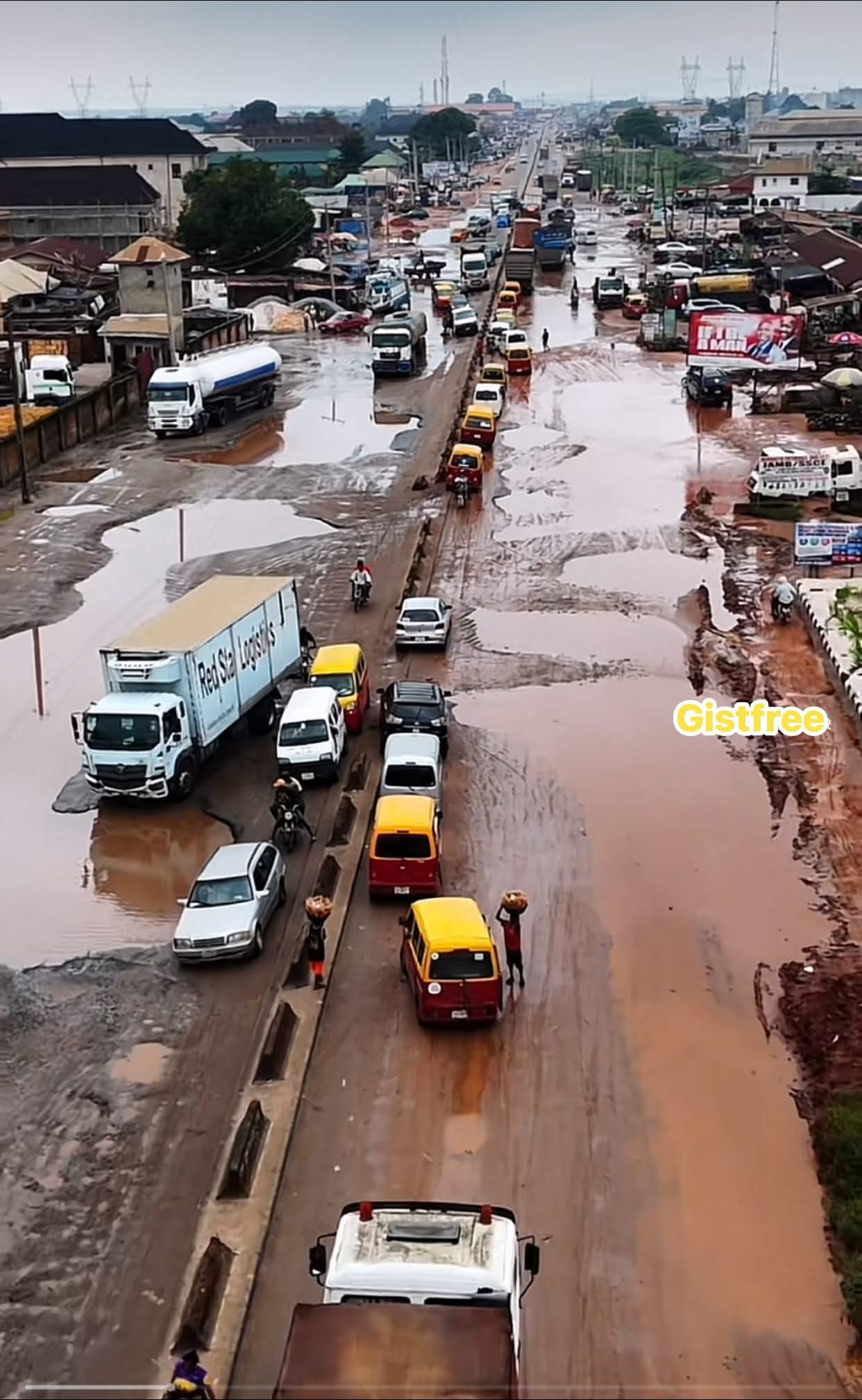
The Benin-Asaba Road is a critical link in Nigeria’s southern transport network, connecting the commercial hub of Benin City to Delta State’s capital, Asaba, and serving as part of the West–East economic corridor.
However, the current state of the road is alarming:
- Deep, waterlogged potholes force vehicles to weave dangerously into oncoming lanes.
- Sections reduced to single-lane traffic, causing hours-long hold-ups.
- Breakdowns are a daily occurrence, with trailers often stuck mid-road.
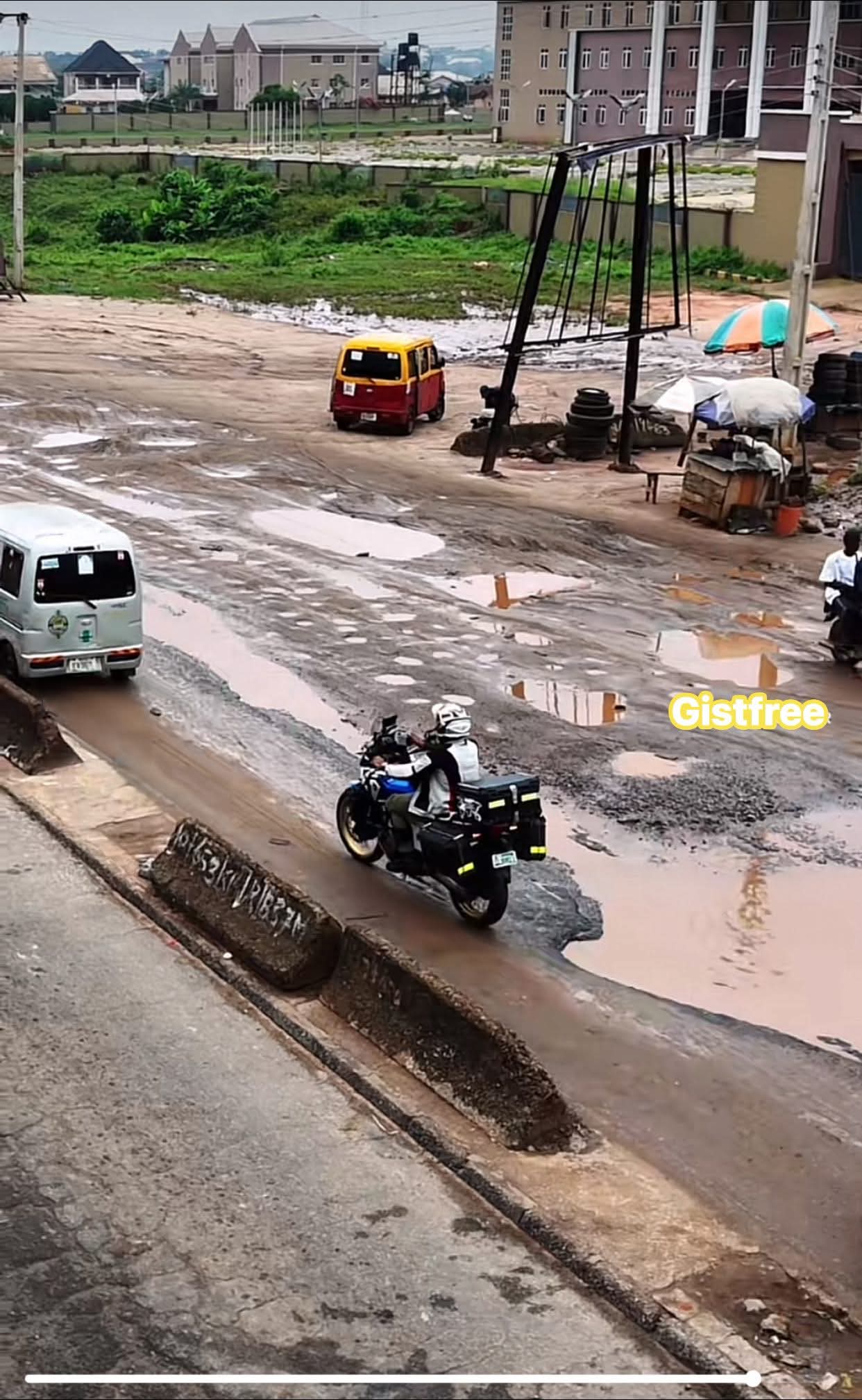
Commercial driver Osagie Erhunmwunsee, who plies the route daily, described it as “a slow-motion disaster”:
“From Uselu to Okhuahe, it’s like driving through a minefield. My bus spends more time in the mechanic’s workshop than on the road. We are suffering.
Economic Impact
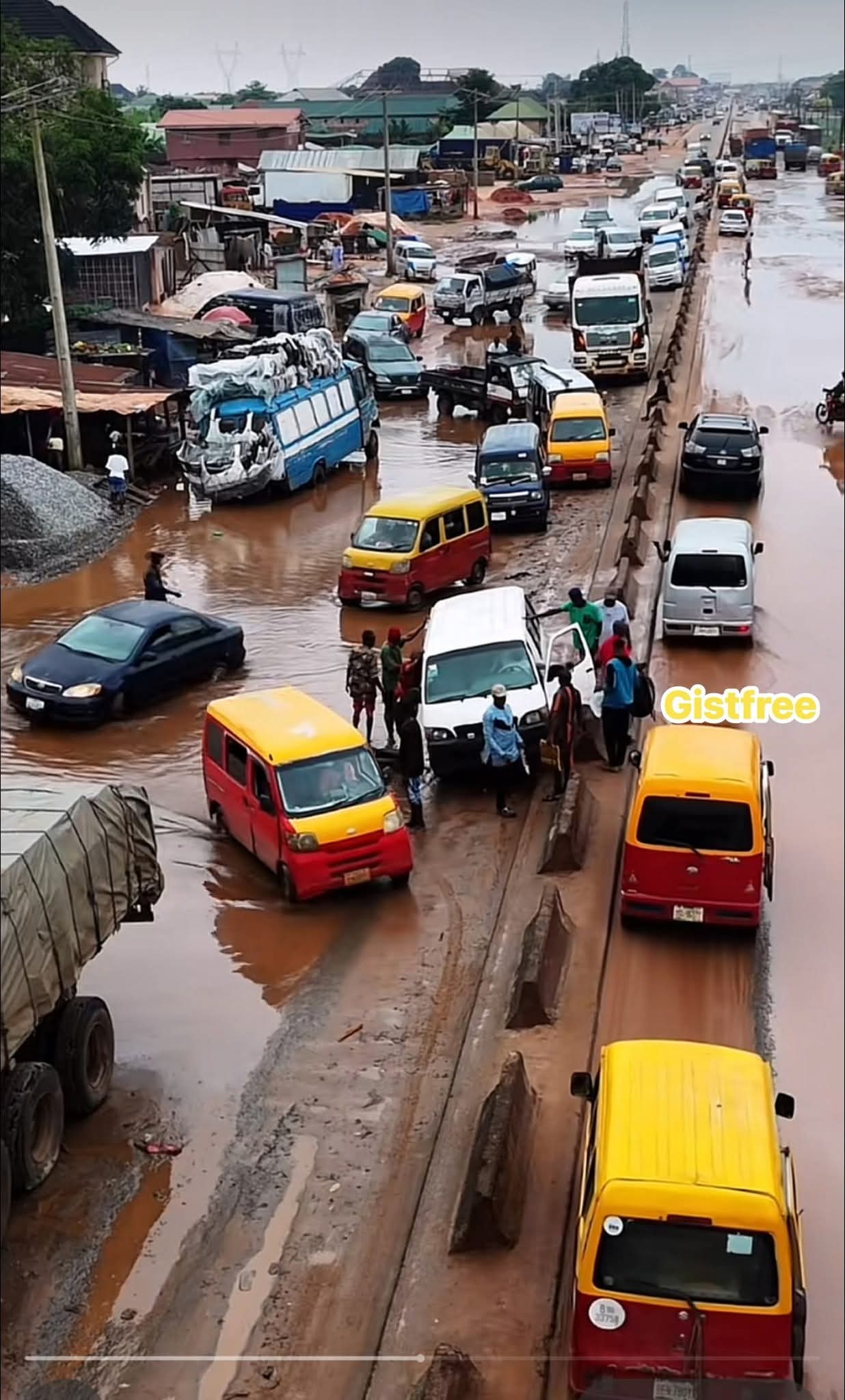
The bad road has become more than a travel inconvenience, it’s an economic chokehold:
- Transport fares between Benin and Asaba have surged by over 40% in the past three months.
- Delivery times for goods have doubled, forcing businesses to factor in higher logistics costs.
- Perishable goods like vegetables, fish, and fruits often spoil en route due to gridlocks.
According to data from the National Bureau of Statistics (NBS), poor road conditions cost Nigeria’s economy over ₦1 trillion annually in wasted fuel, delayed deliveries, and vehicle repairs.
Safety Concerns
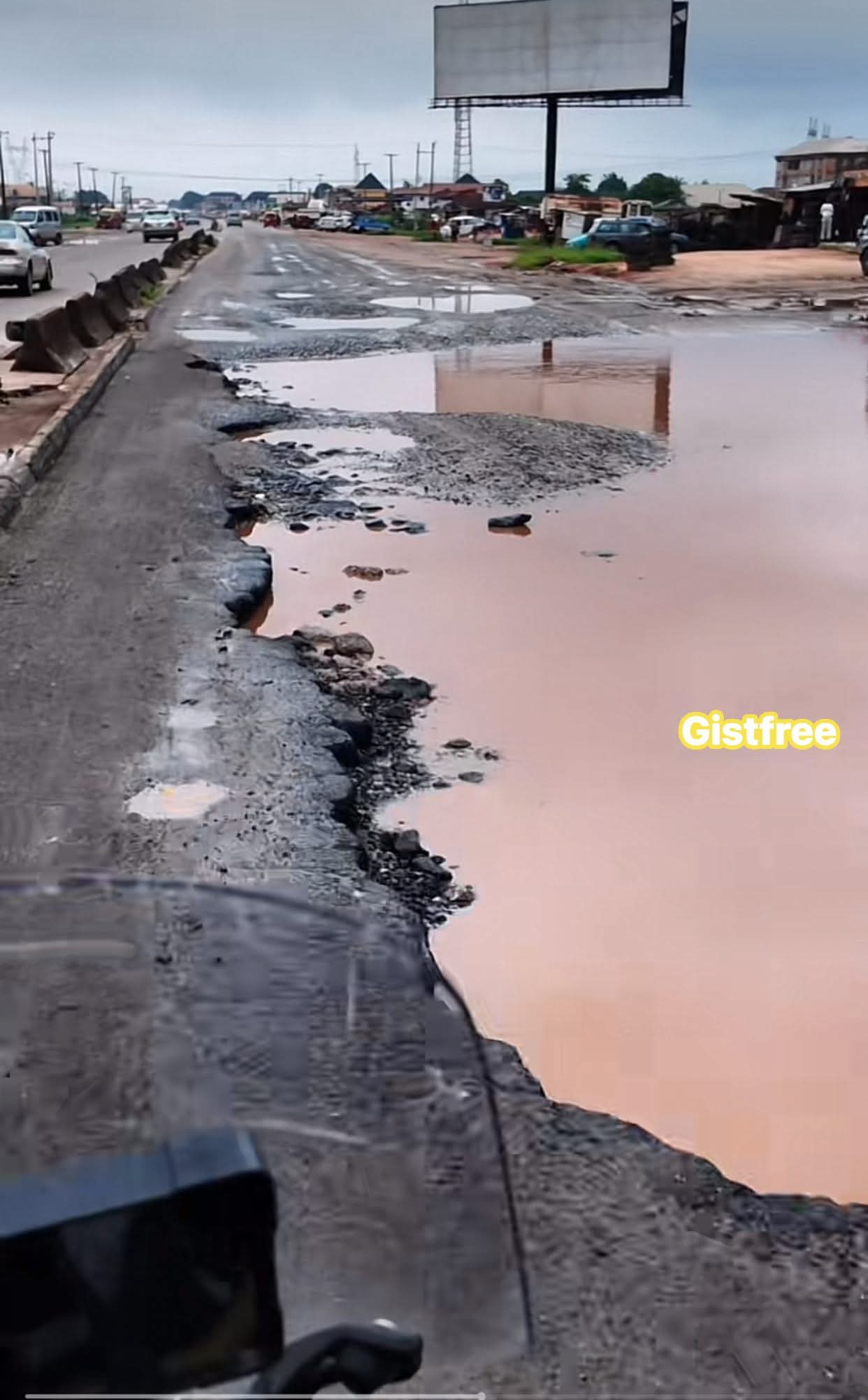
The road’s dilapidated state has also increased accident risks. FRSC records show that the Benin-Asaba axis recorded over 60 crash incidents in the first half of 2025 alone, many linked to:
- Sudden swerves to avoid potholes.
- Head-on collisions from wrong-lane driving.
- Brake failures due to constant stop-and-go traffic.
A commuter, Mrs. Patience Igwe, narrated a near-tragic experience:
“A truck lost control while trying to avoid a pothole and almost tipped over into our bus. If not for the driver’s quick reaction, we wouldn’t be alive to tell the story.”
Why Is the Road This Bad?
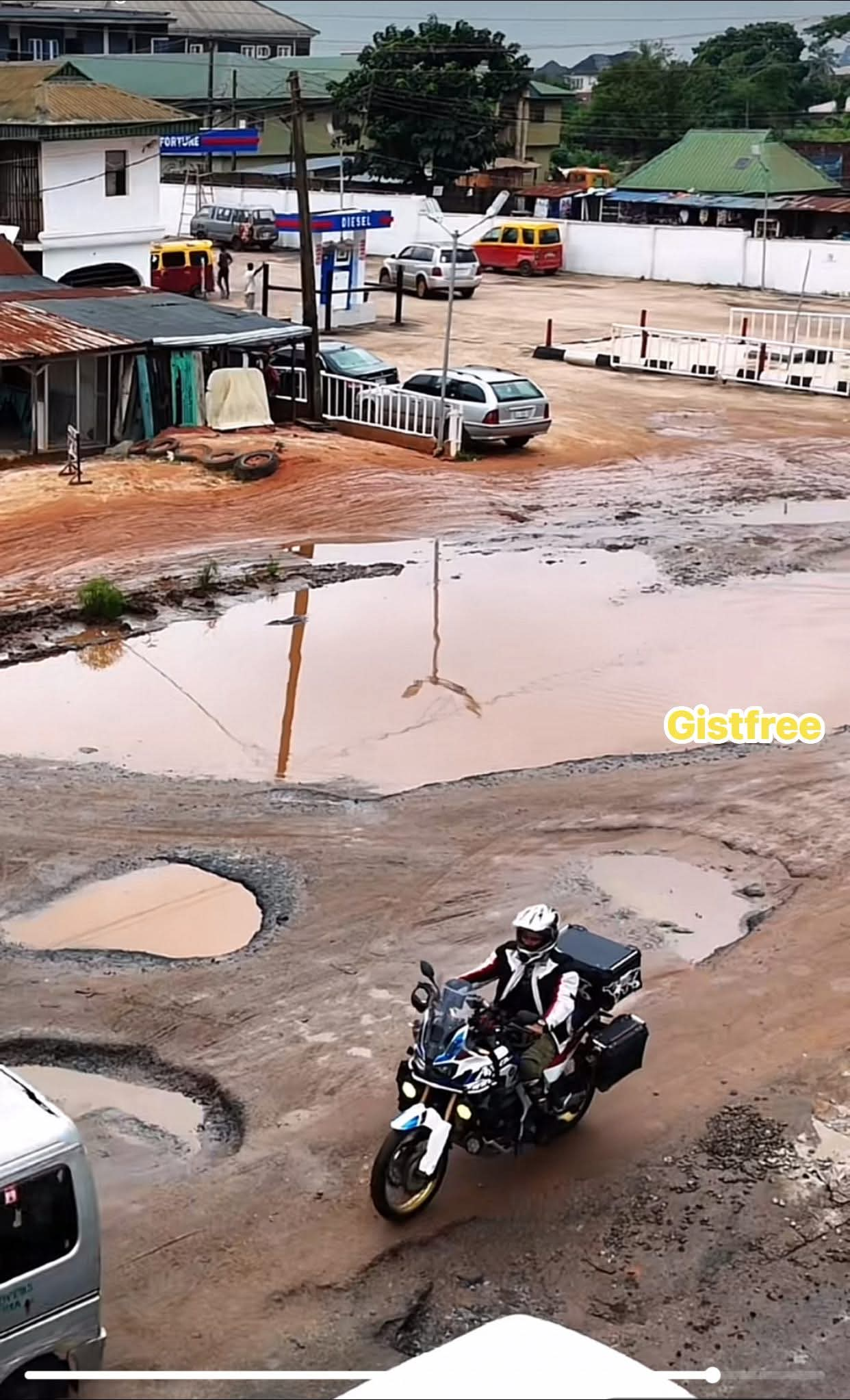
Investigations by RoadKing.ng reveal a mix of neglect, delayed projects, and heavy usage as the main causes:
1. Poor Maintenance Culture – Potholes are left unrepaired for years, allowing them to expand.
2. Overloading – The road bears an unregulated flow of tankers, trailers, and haulage trucks far above capacity.
3. Erosion and Drainage Failure – Seasonal rains wash away the surface due to blocked or nonexistent drainage.
4. Project Stagnation – Announced rehabilitation works have either stalled or progressed at a snail’s pace.
Calls for Immediate Action
Local residents and advocacy groups are urging authorities to treat the road crisis as an emergency:
- Edo State Government should collaborate with the Federal Ministry of Works to speed up repairs.
- Deployment of security and traffic enforcement teams to manage bottlenecks and prevent opportunistic crimes.
- Introduction of temporary palliative measures such as gravel filling of the worst potholes pending full reconstruction.
Infrastructure policy analyst Engr. Bamidele Folarin warns that delay could worsen the situation:
“This is not just about comfort; it’s about economic survival. The Benin-Asaba Road carries millions of naira worth of goods daily. Neglecting it is sabotaging the region’s economy.”
Conclusion
The Benin-Asaba Road has become a glaring example of how poor infrastructure erodes safety, commerce, and quality of life. Until leaders prioritize its repair and enforce lasting maintenance measures, Edo and Delta residents will continue to pay the price in money, time, and lives.
References:
1. Federal Road Safety Corps – Crash Data Report (January–June 2025)
2. National Bureau of Statistics – Infrastructure Economic Impact Study (2024)
3. RoadKing.ng archives – Nigerian highway maintenance failures.

Bad Vehicle Maintenance: The Silent Killer on Roads Worldwide

Bad Roads Investigation: How Poor Infrastructure Is Causing Global Road Crashes

One Dead After Vehicle Collides With Train in United States

Social Media Influencer Dies After Losing Control on French Motorway

Sixteen Killed in Fiery Bus–Truck Collision in Yemen

Hazardous Truck Crash Spills Asbestos on Major Highway in Australia

FRSC Deploys Mobile Speed Enforcement Units Across Nigerian Highways
Three Dead in Multi-Vehicle Crash on Lagos–Ibadan Expressway

Fatal Nigeria Crashes — Adamawa & Lagos Raise Fresh Road Safety Concerns

Delhi Introduces Safety Reward Scheme for Citizens Who Assist Road Accident Victims
Three Killed in Multi-Vehicle Crash in Northern Ireland

Fatal Drunk Driving Crash Claims Woman’s Life on Clay Road

How Turkey Is Using Real Wrecked Cars to Warn Drivers

Lansdale Residents Lead Local Road Safety Initiative to Protect Community
Motorcyclist Crash Shuts Down M40 Motorway in UK, Causes Major Traffic Disruption

Senior Police Officer Dies in Fatal Road Crash in Borno
Delhi Introduces Safety Reward Scheme for Citizens Who Assist Road Accident Victims

LASTMA Rescues 1,075 Crash Victims, Impounds Over 17,000 Vehicles
M11 Motorway Shut After Double Crash Near Stansted Airport

Indiana Senate Advances Trucking Oversight Bill to Improve Road Safety

Slow Down: Man got his Family Killed by neglecting road signs

Which Bridge is the Tallest in the World?
Impatient Driving Cause Road Accident
How Roads are Constructed on the Mountain

Texas, USA suffers heavy flooding