
Articles
Stolen Cars: How Criminal Networks Operate

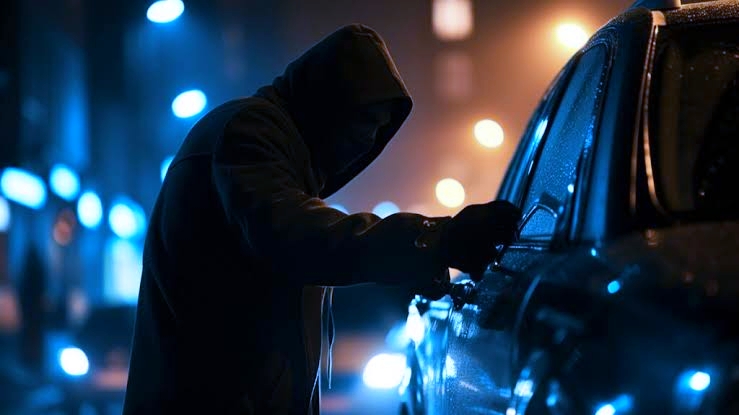
The rise of the dark web has created a hidden marketplace where criminal networks thrive, facilitating the illegal trade of stolen cars, parts, and fraudulent documents.
With anonymity provided by the dark web, organized crime groups have found innovative ways to profit from vehicle theft on a global scale.
This article delves into how criminal networks operate in the dark web ecosystem, the role of technology in facilitating illegal activities, and the measures being taken to combat this growing menace.
Understanding the Dark Web
The dark web refers to the encrypted portion of the internet that is not indexed by traditional search engines. Accessed through specialized software like Tor (The Onion Router) or I2P (Invisible Internet Project), the dark web ensures anonymity for its users.
While it has legitimate uses, the dark web is notorious for being a hub for illegal activities, including drug trafficking, identity theft, and stolen car trade.
For vehicle theft rings, the dark web provides a secure platform to sell stolen cars, parts, and fake documentation without revealing their identity or location.
How Stolen Cars End Up on the Dark Web
Stolen cars follow a structured pathway before appearing on dark web marketplaces. Criminal networks, often organized into tiers, execute this process systematically:
1. Car Theft and Collection
Criminals use a variety of methods to steal vehicles, ranging from old-fashioned break-ins to modern hacking techniques. Common tactics include:
- Relay Attacks: Intercepting key fob signals to unlock and start keyless vehicles.
- OBD (On-Board Diagnostics) Hacking: Reprogramming a car’s computer system to create new keys.
- Carjacking: Forcefully taking a car from its owner.
- Identity Theft: Using stolen personal information to fraudulently lease or rent cars and never returning them.
Once stolen, cars are quickly moved to “chop shops,” where they are disassembled into parts or modified to avoid detection.
2. Preparation for Sale
Stolen cars are rarely sold as-is. Criminals employ methods to conceal the vehicle’s origins:
- VIN Cloning: Changing the Vehicle Identification Number (VIN) to match a legally registered car.
- Fake Documentation: Using forged registration papers, ownership certificates, and export permits to make stolen vehicles appear legitimate.
- Disguising Vehicles: Changing license plates, repainting, or replacing key components to prevent identification.
3. Dark Web Marketplaces
Once the stolen vehicles or parts are prepared, they are listed on dark web marketplaces. These platforms function like e-commerce sites, complete with product descriptions, images, and payment systems. Some key aspects include:
- Cryptocurrency Payments: Transactions are conducted using cryptocurrencies like Bitcoin or Monero, ensuring untraceable payments.
- Encrypted Communication: Sellers and buyers communicate through encrypted channels to maintain anonymity.
- Global Reach: Cars and parts are sold internationally, often shipped to countries with lax import regulations.
The dark web also serves as a hub for fake driver’s licenses, registration documents, and hacking tools, further enabling the stolen car trade.
Why the Dark Web Appeals to Car Thieves
The dark web offers several advantages to organized crime groups:
Anonymity: The use of encryption and cryptocurrency makes it difficult for law enforcement to trace transactions.
Global Marketplace: Criminals can access buyers from around the world, expanding their reach and profits.
Lack of Regulation: The decentralized nature of the dark web makes it challenging for authorities to shut down illicit marketplaces.
Efficient Transactions: Sophisticated platforms streamline the process of buying and selling, mimicking legitimate e-commerce platforms.
The Role of Technology in Facilitating Stolen Car Trade
Advanced technologies are exploited by criminal networks to streamline operations and evade detection:
1. Hacking Tools: Software and devices that bypass car security systems are frequently traded on the dark web. These tools allow criminals to reprogram key fobs, disable alarms, and access locked vehicles.
2. AI and Machine Learning: Criminals use AI to predict vehicle vulnerabilities, automate theft techniques, and identify lucrative targets.
3. Blockchain: While primarily used for cryptocurrency transactions, blockchain can also be leveraged to create counterfeit ownership records that appear legitimate.
Combating the Trade of Stolen Cars on the Dark Web
Law enforcement agencies, governments, and private companies are actively working to disrupt criminal networks operating on the dark web. Key strategies include:
1. Cyber Surveillance and Infiltration
Authorities monitor dark web marketplaces to identify and infiltrate networks involved in vehicle theft. By posing as buyers, they gather intelligence and trace operations back to criminal organizations.
2. Partnerships with Cybersecurity Experts
Governments collaborate with cybersecurity firms to develop tools capable of decrypting communications, tracking cryptocurrency transactions, and shutting down illicit marketplaces.
3. Public Awareness Campaigns
Raising awareness among car owners about modern theft techniques and prevention measures is crucial. Educating people on securing keyless vehicles, using anti-theft devices, and monitoring VIN changes can help reduce car theft.
4. Advanced Vehicle Security Systems
Automakers are incorporating technologies like AI, biometric authentication, and blockchain-based ownership records to make vehicles harder to steal and sell.
5. Legislative Action
Governments are implementing stricter regulations on cryptocurrency usage and vehicle registration processes to prevent the circulation of stolen cars and parts.
The Future of Combating Stolen Car Networks
As technology evolves, so do the methods used by criminals. The fight against dark web criminal networks will require continuous innovation in cybersecurity, vehicle security, and law enforcement techniques.
Emerging technologies like AI-driven crime detection, blockchain for secure vehicle transactions, and advanced surveillance systems will play a pivotal role in dismantling these operations.
The dark web has created a hidden marketplace that enables the trade of stolen cars and parts, posing a significant challenge to law enforcement and the automotive industry.
Organized crime networks exploit advanced technologies and the anonymity of the dark web to profit from vehicle theft on a global scale.
However, with the combined efforts of governments, automakers, and cybersecurity experts, significant progress is being made to combat this illegal trade.
By staying vigilant, embracing cutting-edge technologies, and raising awareness, we can curb the dark web’s role in stolen car operations and make our vehicles safer.




Truck Driver Rescued After Crash on M13 Highway in Kloof

10 Injured in Multi-Vehicle Crash on Agra–Lucknow Expressway

29 Passengers Injured After Bus Veers Off Highway in Gujarat, India

Pedestrian Killed in Hit-and-Run on Lagos–Ibadan Expressway

One Dead, 11 Injured in Brooklyn Chain-Reaction Crash Involving FDNY Fire Truck

Truck Overturns on Otedola Bridge, Causing Major Traffic Gridlock in Lagos

Two Separate Highway Crashes Leave One Dead, Several Injured in Katsina

Victor Osimhen Reportedly Buys ₦1.4 Billion Lamborghini Revuelto Supercar

Truck Crash Kills Three After Collision With Parked Trailer in Kano

3 Killed, 6 Injured in Multiple-Vehicle Crash on Lagos–Abeokuta Expressway
Serious Two‑Vehicle Crash in South Burnett, Australia
Seven Killed, Eight Injured in Pakistan Makran Coastal Highway Crash
Multi-Vehicle Crash Causes Fire and Gridlock on Admiralty Way, Lagos
Victor Osimhen Reportedly Buys ₦1.4 Billion Lamborghini Revuelto Supercar

Kenya Report Reveals Heavy Cost of Road Traffic Injuries on Healthcare System
1 Killed as Speeding Bike Loses Control in Trichy
3 Killed, 6 Injured in Multiple-Vehicle Crash on Lagos–Abeokuta Expressway
One Dead, 11 Injured in Brooklyn Chain-Reaction Crash Involving FDNY Fire Truck
Truck Crash Kills Three After Collision With Parked Trailer in Kano
Pedestrian Killed in Hit-and-Run on Lagos–Ibadan Expressway

Slow Down: Man got his Family Killed by neglecting road signs

Which Bridge is the Tallest in the World?
Impatient Driving Cause Road Accident
How Roads are Constructed on the Mountain

Texas, USA suffers heavy flooding