
Articles
Role of AI in Predicting and Preventing Car Theft

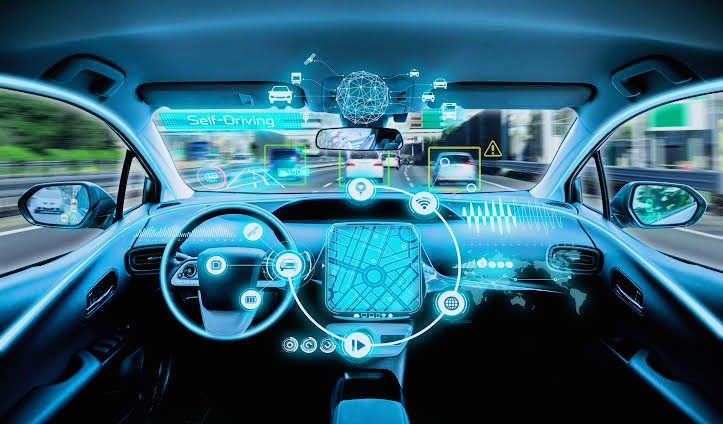
Artificial Intelligence (AI) is emerging as a powerful tool in predicting and preventing car theft.
As technology advances, so do the methods criminals use to steal vehicles. Car theft has evolved from traditional break-ins to sophisticated hacking of keyless entry systems and connected car technology.
AI-driven solutions, combined with big data analytics and machine learning, are revolutionizing how vehicles are protected and how authorities combat theft.
In this article, we will explore how AI plays a crucial role in vehicle security, its applications in theft prevention, and the future potential of AI-driven systems.
The Growing Threat of Modern Car Theft
The rise of connected vehicles, keyless entry systems, and autonomous driving technologies has created opportunities for car thieves to exploit vulnerabilities.
Traditional physical car theft methods are now supplemented by cyberattacks and relay attacks that exploit digital weaknesses.
Keyless cars, for instance, are particularly susceptible to relay attacks, where criminals intercept the key fob’s signal to unlock and start a vehicle remotely.
Similarly, hacking into connected car systems through Bluetooth, Wi-Fi, or onboard diagnostics can allow unauthorized access.
In response, manufacturers and tech developers are leveraging AI-based car security systems to stay ahead of criminals, anticipate threats, and proactively protect vehicles.
How AI Works in Predicting and Preventing Car Theft
AI uses machine learning algorithms and real-time data to identify unusual patterns and predict possible threats. These systems rely on vast datasets, including vehicle usage patterns, driver behavior, and historical theft data, to build predictive models.
1. AI-Powered Behavioral Analysis
AI systems analyze the typical behavior of a vehicle and its driver. For instance:
If a car is being driven at unusual hours, in unfamiliar areas, or deviating from its normal routes, AI can flag this as suspicious activity.
Artificial Intelligencemonitors driver behavior, such as acceleration, braking patterns, and idling time, to determine if the car is being driven by an unauthorized user.
This type of anomaly detection can alert car owners or fleet managers to potential theft in real-time.
2. Real-Time GPS Tracking and Geofencing
Modern vehicles equipped with AI-enabled GPS systems can detect movement in restricted zones. Through geofencing, car owners can set virtual boundaries for their vehicles.
If a car crosses these boundaries without authorization, an instant alert is sent to the owner’s smartphone or central monitoring system.
Fleet management companies, in particular, rely heavily on AI to protect vehicles within large operational networks, ensuring they can react quickly to theft attempts.
3. Predictive Analytics and Crime Pattern Recognition
AI algorithms analyze historical crime data, weather conditions, and geographical trends to predict areas or times where car theft is likely to occur. For example:
If data shows high car theft rates in specific neighborhoods during late nights, AI can provide alerts to car owners and recommend precautions such as parking in secure areas or enabling enhanced security systems.
Law enforcement agencies use AI-based predictive models to map crime hotspots and allocate resources more efficiently to prevent theft.
4. AI-Integrated Surveillance Cameras
Advanced AI-powered surveillance systems, such as smart dashcams and parking lot cameras, can identify suspicious activity around a parked vehicle. These systems utilize computer vision to detect unauthorized access attempts, loitering, or forced entry.
For example, AI can differentiate between a legitimate driver unlocking the vehicle and a thief attempting to break in. Such alerts can be sent directly to the car owner or security authorities in real-time.
5. Biometric Security Systems
AI enables vehicles to integrate biometric authentication systems, such as facial recognition, voice recognition, or fingerprint scanning, ensuring only authorized individuals can unlock or start the car. These technologies are nearly impossible for criminals to bypass without significant effort.
6. Remote Engine Shutdown and Vehicle Recovery
AI works in tandem with connected car systems to allow remote engine shutdown once a theft attempt is detected. Law enforcement agencies or car owners can use this technology to safely disable the stolen car, increasing the chances of quick recovery.
AI also assists in tracking and recovering stolen vehicles by analyzing GPS signals and providing real-time updates on their locations.
The Role of AI in Cybersecurity for Vehicles
With cars becoming increasingly digital, protecting them from cyber theft is crucial. AI plays a significant role in identifying and mitigating cybersecurity threats to connected vehicles.
AI Intrusion Detection Systems (IDS): These systems monitor connected car networks for unusual data traffic or hacking attempts.
Automated Patching: AI helps identify software vulnerabilities and deploys security updates without human intervention, reducing the risk of cyberattacks.
By continuously analyzing communication between the vehicle’s systems, AI can detect unauthorized access attempts and block them in real-time.
The Benefits of AI in Car Theft Prevention
AI-driven car security systems offer several advantages over traditional methods:
1. Proactive Security: AI predicts and prevents theft rather than just reacting after the crime occurs.
2. Real-Time Alerts: Instant notifications ensure car owners and authorities can act quickly during a theft attempt.
3. Improved Recovery Rates: AI-powered tracking and predictive analysis significantly increase the chances of recovering stolen vehicles.
4. Reduced False Alarms: AI’s behavioral analysis minimizes false alarms, ensuring alerts are based on genuine threats.
5. Enhanced Driver Safety: AI systems prioritize not only vehicle security but also the safety of drivers and passengers.
Future of AI in Car Security
The integration of Artificial Intelligence with IoT (Internet of Things) and autonomous vehicles promises even greater advancements in car theft prevention.
Smart vehicles will become increasingly capable of self-monitoring, self-protection, and autonomous decision-making to prevent unauthorized access.
Technologies like edge computing will enable faster threat detection and response, while blockchain could be used to secure car ownership and transaction records.
Moreover, as AI systems learn and evolve over time, they will become even better at predicting theft patterns and thwarting sophisticated attacks.
Artificial Intelligence is revolutionizing car security by offering smarter, proactive, and data-driven solutions to predict and prevent car theft.
From real-time monitoring and predictive analytics to biometric systems and remote shutdown capabilities, AI empowers car owners, law enforcement, and manufacturers to stay ahead of criminals.
As car theft methods become more advanced, AI’s ability to adapt and learn makes it a vital tool in ensuring vehicle safety.
By embracing AI-driven technologies, we can significantly reduce car theft rates, protect valuable assets, and provide peace of mind to car owners worldwide.




Truck Driver Rescued After Crash on M13 Highway in Kloof

10 Injured in Multi-Vehicle Crash on Agra–Lucknow Expressway

29 Passengers Injured After Bus Veers Off Highway in Gujarat, India

Pedestrian Killed in Hit-and-Run on Lagos–Ibadan Expressway

One Dead, 11 Injured in Brooklyn Chain-Reaction Crash Involving FDNY Fire Truck

Truck Overturns on Otedola Bridge, Causing Major Traffic Gridlock in Lagos

Two Separate Highway Crashes Leave One Dead, Several Injured in Katsina

Victor Osimhen Reportedly Buys ₦1.4 Billion Lamborghini Revuelto Supercar

Truck Crash Kills Three After Collision With Parked Trailer in Kano

3 Killed, 6 Injured in Multiple-Vehicle Crash on Lagos–Abeokuta Expressway
Serious Two‑Vehicle Crash in South Burnett, Australia
Seven Killed, Eight Injured in Pakistan Makran Coastal Highway Crash
Multi-Vehicle Crash Causes Fire and Gridlock on Admiralty Way, Lagos

Kenya Report Reveals Heavy Cost of Road Traffic Injuries on Healthcare System
Victor Osimhen Reportedly Buys ₦1.4 Billion Lamborghini Revuelto Supercar
1 Killed as Speeding Bike Loses Control in Trichy
One Dead, 11 Injured in Brooklyn Chain-Reaction Crash Involving FDNY Fire Truck
3 Killed, 6 Injured in Multiple-Vehicle Crash on Lagos–Abeokuta Expressway
Pedestrian Killed in Hit-and-Run on Lagos–Ibadan Expressway
Truck Crash Kills Three After Collision With Parked Trailer in Kano

Slow Down: Man got his Family Killed by neglecting road signs

Which Bridge is the Tallest in the World?
Impatient Driving Cause Road Accident
How Roads are Constructed on the Mountain

Texas, USA suffers heavy flooding