
Articles
Nigeria’s Auto Mechanics Industry: The Leaders in Transportation


Nigeria’s auto mechanics industry is undergoing a significant transformation as skilled technicians and workshops strive to keep pace with evolving vehicle technologies and growing transportation demands.
Often regarded as the backbone of the country’s transportation system, these unsung heroes play a critical role in maintaining road safety and economic mobility.
With over 12 million vehicles on Nigerian roads, the demand for reliable and efficient auto repair services has never been higher.
From bustling cities like Lagos and Abuja to remote villages, local mechanics ensure that cars, buses, and motorcycles remain operational despite challenging road conditions and limited access to spare parts.
However, the industry faces numerous challenges, including a lack of standardized training, outdated tools, and the influx of modern vehicles with complex systems.
To address these issues, organizations like the Nigerian Automobile Technicians Association (NATA) have been working to provide skills training and certifications for mechanics across the country.
In recent years, several initiatives have emerged to support the industry. For instance, tech-driven startups are introducing digital diagnostic tools, while partnerships with automotive companies are providing mechanics with access to advanced training programs.
Additionally, government-backed efforts are encouraging workshops to adopt more sustainable practices, such as recycling used motor oil and promoting electric vehicle repairs.
Apprenticeships remain a cornerstone of the trade, with young Nigerians learning hands-on skills under seasoned mechanics.
Many workshops are family-run, passing down expertise from one generation to the next, further solidifying the industry’s role in Nigeria’s socio-economic fabric.
Despite the challenges, the resilience and innovation of Nigeria’s auto mechanics continue to drive the sector forward.
Experts believe that with the right investments and policy support, the industry could play a pivotal role in job creation and the growth of the automotive sector in the coming years.
As Nigeria looks to modernize its infrastructure and embrace green technologies, auto mechanics will remain essential in bridging the gap between tradition and innovation, ensuring that the nation’s roads stay busy and its economy stays strong.




Truck Driver Rescued After Crash on M13 Highway in Kloof

10 Injured in Multi-Vehicle Crash on Agra–Lucknow Expressway

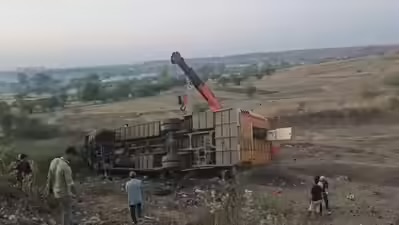
29 Passengers Injured After Bus Veers Off Highway in Gujarat, India

Pedestrian Killed in Hit-and-Run on Lagos–Ibadan Expressway

One Dead, 11 Injured in Brooklyn Chain-Reaction Crash Involving FDNY Fire Truck

Truck Overturns on Otedola Bridge, Causing Major Traffic Gridlock in Lagos

Two Separate Highway Crashes Leave One Dead, Several Injured in Katsina

Victor Osimhen Reportedly Buys ₦1.4 Billion Lamborghini Revuelto Supercar

Truck Crash Kills Three After Collision With Parked Trailer in Kano

3 Killed, 6 Injured in Multiple-Vehicle Crash on Lagos–Abeokuta Expressway
Serious Two‑Vehicle Crash in South Burnett, Australia
Seven Killed, Eight Injured in Pakistan Makran Coastal Highway Crash
Multi-Vehicle Crash Causes Fire and Gridlock on Admiralty Way, Lagos
Victor Osimhen Reportedly Buys ₦1.4 Billion Lamborghini Revuelto Supercar

Kenya Report Reveals Heavy Cost of Road Traffic Injuries on Healthcare System
1 Killed as Speeding Bike Loses Control in Trichy
3 Killed, 6 Injured in Multiple-Vehicle Crash on Lagos–Abeokuta Expressway
One Dead, 11 Injured in Brooklyn Chain-Reaction Crash Involving FDNY Fire Truck
Truck Crash Kills Three After Collision With Parked Trailer in Kano
Pedestrian Killed in Hit-and-Run on Lagos–Ibadan Expressway

Slow Down: Man got his Family Killed by neglecting road signs

Which Bridge is the Tallest in the World?
Impatient Driving Cause Road Accident
How Roads are Constructed on the Mountain

Texas, USA suffers heavy flooding