
Articles
Compressed natural gas (CNG) vs. Regular Fuel: Pros and Cons

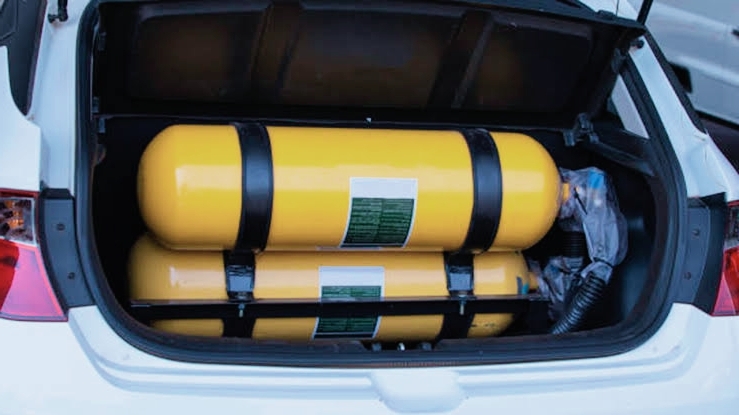
Among the many options available today, compressed natural gas (CNG) and regular fuel (petrol or diesel) are two popular choices. Choosing the right fuel type for your car is one of the most crucial decisions when purchasing a vehicle.
Each has its own advantages and disadvantages, depending on your driving needs, budget, and environmental priorities.
This article explores the pros and cons of CNG vs. regular fuel to help you make an informed decision for your next car purchase.
What Is CNG?
Compressed Natural Gas (CNG) is a cleaner and more economical alternative to traditional fuels like petrol and diesel.
It consists primarily of methane, compressed to less than 1% of its volume under standard atmospheric pressure.
CNG is often used in dual-fuel vehicles, enabling drivers to switch between CNG and regular fuel.
Pros of compressed natural gas (CNG) Cars
1. Cost Efficiency
One of the biggest advantages of the compressed natural gas (CNG) is its affordability. CNG is significantly cheaper than petrol or diesel, resulting in lower running costs. Drivers who commute long distances can save a considerable amount on fuel expenses by using CNG.
Example: A car running on CNG can cost 50-60% less per kilometer compared to petrol, depending on the region.
2. Environmentally Friendly
CNG is a cleaner-burning fuel, producing significantly fewer greenhouse gas emissions than petrol or diesel. It releases lower levels of carbon dioxide (CO2), carbon monoxide (CO), and nitrogen oxides (NOx), making it an eco-friendly option.
Impact: Switching to CNG can help reduce air pollution, especially in urban areas with high vehicle density.
3. Longer Engine Life
CNG burns cleaner, leaving fewer carbon deposits inside the engine. This reduces wear and tear, extending the engine’s lifespan and lowering maintenance costs in the long run.
4. Dual-Fuel Capability
Many CNG cars come with a dual-fuel option, allowing you to switch between CNG and petrol as needed. This flexibility ensures that you won’t be stranded in areas without CNG refueling stations.
5. Tax Benefits and Incentives
In many countries, governments offer tax incentives or subsidies for CNG vehicles as part of their environmental initiatives. This can reduce the overall cost of ownership.
Cons of Compressed natural gas (CNG) Cars
1. Limited Refueling Infrastructure
While CNG is gaining popularity, its refueling network is still not as widespread as petrol or diesel. Drivers in rural areas or less-developed regions may struggle to find CNG stations.
2. Reduced Boot Space
CNG cylinders take up significant space in the car’s trunk, reducing available storage for luggage. This can be inconvenient for families or those who frequently travel with cargo.
3. Lower Performance
CNG vehicles generally deliver less power and torque compared to petrol or diesel cars. This can affect acceleration and performance, especially in high-speed or uphill driving situations.
Example: A petrol engine often provides a smoother and more responsive driving experience than a CNG engine.
4. Higher Initial Cost
Cars with CNG kits or factory-fitted CNG systems are typically more expensive upfront than their petrol or diesel counterparts. However, the long-term savings on fuel costs often offset this initial investment.
5. Frequent Refueling
CNG cylinders have a smaller fuel capacity compared to petrol or diesel tanks. As a result, CNG cars may require more frequent refueling, which can be inconvenient during long journeys.
Pros of Regular Fuel (Petrol and Diesel) Cars
1. Widespread Availability
Petrol and diesel are widely available at fueling stations across the globe, ensuring convenience no matter where you travel. Unlike CNG, there are no concerns about access in remote areas.
2. Superior Performance
Petrol and diesel engines typically offer better power, acceleration, and torque compared to CNG vehicles. This makes regular fuel cars more suitable for high-speed driving, towing, or climbing steep terrains.
3. Larger Fuel Tanks
Regular fuel cars come with larger fuel tanks, allowing for longer driving ranges between refueling stops. This is especially beneficial for long-distance drivers.
4. No Space Constraints
Unlike CNG cars, regular fuel vehicles don’t require additional storage for fuel cylinders, leaving the trunk space free for cargo.
5. Lower Initial Cost
Petrol and diesel cars are generally more affordable upfront compared to CNG cars, making them a better option for budget-conscious buyers who don’t drive long distances frequently.
Cons of Regular Fuel Cars
1. Higher Fuel Costs
Petrol and diesel are significantly more expensive than CNG, leading to higher running costs over time. For daily commuters, these costs can add up quickly.
2. Environmental Impact
Regular fuels produce higher levels of emissions, including CO2 and NOx, contributing to air pollution and global warming. Diesel engines, in particular, emit more particulate matter, which can harm public health.
3. Engine Maintenance
Engines running on petrol or diesel tend to accumulate more carbon deposits, leading to higher maintenance costs and shorter engine lifespans compared to CNG vehicles.
4. Vulnerability to Price Fluctuations
Petrol and diesel prices are subject to frequent fluctuations due to changes in global crude oil prices, taxes, and geopolitical factors. This can make budgeting for fuel expenses challenging.
Which Is Best for You?
The choice between CNG and regular fuel depends on your individual needs and priorities. Here are some factors to consider:
- Commute Distance: If you drive long distances daily, the cost savings from CNG can make it a better option.
- Performance Requirements: If you prioritize performance, acceleration, and towing capacity, a petrol or diesel car is a better fit.
- Availability of CNG: Ensure that CNG refueling stations are easily accessible in your area before committing to a CNG vehicle.
- Environmental Concerns: If reducing your carbon footprint is a priority, CNG is the more eco-friendly choice.
- Budget: Consider the initial cost of the vehicle and your long-term fuel expenses.
Both CNG and regular fuel cars have their own advantages and drawbacks. CNG vehicles are more economical and environmentally friendly, making them ideal for city driving and long-term savings.
On the other hand, petrol and diesel cars offer better performance, greater convenience, and wider availability. By carefully evaluating your driving habits, budget, and local infrastructure, you can make the right choice for your next car.

One Dead, 11 Injured in Brooklyn Chain-Reaction Crash Involving FDNY Fire Truck

Truck Overturns on Otedola Bridge, Causing Major Traffic Gridlock in Lagos

Two Separate Highway Crashes Leave One Dead, Several Injured in Katsina

Victor Osimhen Reportedly Buys ₦1.4 Billion Lamborghini Revuelto Supercar

Truck Crash Kills Three After Collision With Parked Trailer in Kano

3 Killed, 6 Injured in Multiple-Vehicle Crash on Lagos–Abeokuta Expressway
Multi-Vehicle Crash Causes Fire and Gridlock on Admiralty Way, Lagos
Two Killed in Multi-Vehicle Crash Involving Truck, Bus and Motorcycle
Seven Killed, Eight Injured in Pakistan Makran Coastal Highway Crash
1 Killed as Speeding Bike Loses Control in Trichy
Serious Two‑Vehicle Crash in South Burnett, Australia
Seven Killed, Eight Injured in Pakistan Makran Coastal Highway Crash
Multi-Vehicle Crash Causes Fire and Gridlock on Admiralty Way, Lagos

Kenya Report Reveals Heavy Cost of Road Traffic Injuries on Healthcare System
Victor Osimhen Reportedly Buys ₦1.4 Billion Lamborghini Revuelto Supercar
1 Killed as Speeding Bike Loses Control in Trichy
3 Killed, 6 Injured in Multiple-Vehicle Crash on Lagos–Abeokuta Expressway
Two Killed in Multi-Vehicle Crash Involving Truck, Bus and Motorcycle
Truck Crash Kills Three After Collision With Parked Trailer in Kano
One Dead, 11 Injured in Brooklyn Chain-Reaction Crash Involving FDNY Fire Truck

Slow Down: Man got his Family Killed by neglecting road signs

Which Bridge is the Tallest in the World?
Impatient Driving Cause Road Accident
How Roads are Constructed on the Mountain

Texas, USA suffers heavy flooding