
Articles
How to stop a car when it’s brakes fails

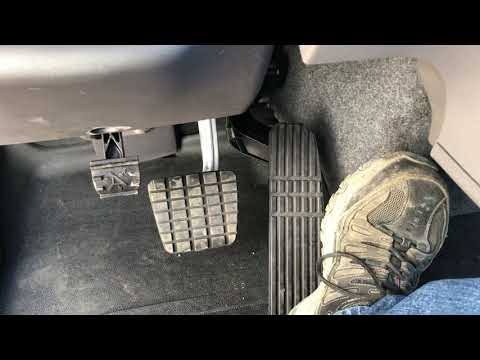
Stopping a car with brake failure is a critical situation that requires quick thinking and decisive action.
Here are steps to help you safely stop the car:
1. Stay Calm
Panicking can worsen the situation. Take deep breaths to stay focused.
2. Downshift (Manual Transmission)
If you’re driving a manual transmission car, downshift to lower gears. This can slow down the car due to engine braking.
3. Apply Emergency Brake
Use the emergency brake (also known as the handbrake or parking brake). Pull it slowly and steadily. Be aware that this brake is not as powerful as your main brakes, so use it cautiously.
4. Pump Brakes (ABS-equipped cars)
If your car has ABS (Anti-lock Braking System), you can try pumping the brake pedal rapidly. ABS systems are designed to prevent wheels from locking up, which helps in maintaining some braking ability.
5. Use Terrain to Slow Down
Look for areas where you can naturally slow down, such as uphill gradients, gravel roads (which increase resistance), or grassy areas (if safe and necessary).
6. Create Friction
If you have no other options, carefully use friction to slow down by rubbing the wheels against a curb or guardrail. This is a last resort and should be done with extreme caution.
7. Signal and Alert Others
Use hazard lights, honk your horn, or signal to alert other drivers of your situation.
8. Prepare for Impact
If all else fails and you cannot stop the car, prepare for a collision. Look for a safe place to crash, such as a sand trap, bush, or a less populated area.
Remember, these steps should be practiced in a safe environment with professional guidance if possible.
Prevention is key, so always ensure your vehicle is properly maintained and serviced regularly to minimize the risk of brake failure.








Two Separate Highway Crashes Leave One Dead, Several Injured in Katsina

Victor Osimhen Reportedly Buys ₦1.4 Billion Lamborghini Revuelto Supercar

Truck Crash Kills Three After Collision With Parked Trailer in Kano

3 Killed, 6 Injured in Multiple-Vehicle Crash on Lagos–Abeokuta Expressway

Multi-Vehicle Crash Causes Fire and Gridlock on Admiralty Way, Lagos
Two Killed in Multi-Vehicle Crash Involving Truck, Bus and Motorcycle
Seven Killed, Eight Injured in Pakistan Makran Coastal Highway Crash
1 Killed as Speeding Bike Loses Control in Trichy

Kenya Report Reveals Heavy Cost of Road Traffic Injuries on Healthcare System

Serious Two‑Vehicle Crash in South Burnett, Australia
Serious Two‑Vehicle Crash in South Burnett, Australia
Seven Killed, Eight Injured in Pakistan Makran Coastal Highway Crash
Multi-Vehicle Crash Causes Fire and Gridlock on Admiralty Way, Lagos
Kenya Report Reveals Heavy Cost of Road Traffic Injuries on Healthcare System
Victor Osimhen Reportedly Buys ₦1.4 Billion Lamborghini Revuelto Supercar
1 Killed as Speeding Bike Loses Control in Trichy
3 Killed, 6 Injured in Multiple-Vehicle Crash on Lagos–Abeokuta Expressway
Two Killed in Multi-Vehicle Crash Involving Truck, Bus and Motorcycle
Truck Crash Kills Three After Collision With Parked Trailer in Kano
Two Separate Highway Crashes Leave One Dead, Several Injured in Katsina

Slow Down: Man got his Family Killed by neglecting road signs

Which Bridge is the Tallest in the World?
Impatient Driving Cause Road Accident
How Roads are Constructed on the Mountain

Texas, USA suffers heavy flooding