
Crash News
The Pros and Cons of Drinking and Driving:

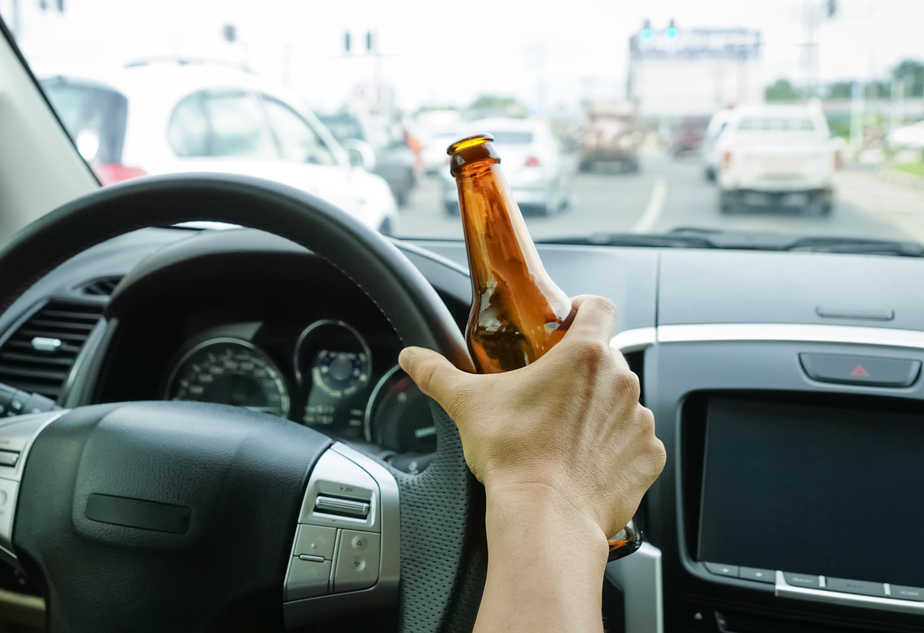
Introduction
Drinking and driving is a critical issue that has sparked extensive debate and research. It is universally acknowledged that driving under the influence of alcohol is dangerous and illegal, yet some individuals still engage in this risky behavior.
This article aims to provide a comprehensive analysis of the arguments for and against drinking and driving, shedding light on the severe consequences and why this practice remains a critical public safety issue.
The Case Against Drinking and Driving
1.Increased Risk of Accidents and Fatalities
One of the most compelling arguments against drinking and driving is the significantly increased risk of accidents and fatalities.
Alcohol impairs cognitive and motor functions, which are essential for safe driving. It affects judgment, coordination, reaction times, and decision-making abilities, making it difficult for drivers to control their vehicles and respond to changing road conditions.
According to the National Highway Traffic Safety Administration (NHTSA), nearly 30 people in the United States die each day in alcohol-related crashes. This staggering statistic highlights the deadly consequences of drinking and driving.
2.Legal Consequences
Drinking and driving is illegal in most countries, and the legal consequences are severe. Individuals caught driving under the influence (DUI) or driving while intoxicated (DWI) face heavy fines, license suspension, increased insurance rates, and even imprisonment.
A DUI or DWI conviction can also have long-term repercussions on a person’s career, as many employers are hesitant to hire individuals with a criminal record.
The legal system takes these offenses seriously, reflecting the broader societal commitment to reducing traffic fatalities and injuries caused by impaired driving.
3.Financial Impact
The financial impact of drinking and driving extends beyond fines and legal fees. Insurance premiums can skyrocket following a DUI or DWI conviction, adding to the long-term financial burden.
Additionally, individuals may face costs related to mandatory alcohol education programs, vehicle impoundment, and the installation of ignition interlock devices.
The economic toll on society is also significant, with costs associated with medical care, emergency response, and lost productivity due to alcohol-related crashes.
4.Moral and Ethical Considerations
From a moral and ethical standpoint, drinking and driving is often viewed as a reckless and irresponsible act.
It endangers not only the driver but also passengers, other road users, and pedestrians. The potential for causing harm or even death to innocent people is a profound ethical violation that weighs heavily against any justification for drinking and driving.
Many argue that the decision to drink and drive reflects a disregard for the well-being of others and undermines social responsibility.
The Argument For Drinking and Driving
Given the overwhelming evidence of the dangers and consequences associated with drinking and driving, it is challenging to construct a credible argument in favor of this behavior.
However, some individuals might argue from a perspective of personal freedom or downplay the risks based on personal experiences.
It is essential to critically examine these arguments to understand why they fall short of justifying the behavior.
1.Personal Freedom and Autonomy
Some individuals may argue that they should have the freedom to make their own choices, including the decision to drink and drive.
This perspective is rooted in the belief that individuals are best positioned to judge their capabilities and make informed decisions about their behavior. While personal freedom is a fundamental value, it is not absolute.
The exercise of personal freedom must be balanced against the potential harm to others. In the case of drinking and driving, the risks to public safety and the well-documented consequences far outweigh the argument for individual autonomy.
2.Perceived Control and Experience
Another argument some might make is the belief in their ability to control their vehicle despite being under the influence of alcohol.
They may point to personal experiences where they have driven after drinking without incident. However, this perception of control is often misleading. Alcohol impairs judgment, and individuals under the influence may not accurately assess their level of impairment or the risks involved.
Relying on anecdotal evidence of “safe” instances of drinking and driving does not account for the statistical reality and the unpredictable nature of alcohol’s effects on the body.
3.Social and Cultural Norms
In some social and cultural contexts, drinking and driving may be seen as more acceptable or normalized. Peer pressure, social drinking environments, and cultural attitudes towards alcohol consumption can influence individuals’ decisions to drive after drinking.
However, these norms do not negate the risks and consequences of impaired driving. Changing social attitudes towards drinking and driving is crucial in reducing its prevalence and promoting safer behaviors.
Conclusion
The overwhelming evidence and ethical considerations firmly establish that the cons of drinking and driving far outweigh any perceived pros.
The increased risk of accidents and fatalities, severe legal consequences, financial impact, and moral and ethical concerns highlight the dangers and irresponsibility of this behavior. Arguments for personal freedom, perceived control, and cultural norms fail to justify the risks posed by drinking and driving.
Efforts to reduce drinking and driving must continue to focus on education, strict enforcement of laws, and promoting alternative transportation options. Public awareness campaigns and community initiatives play a vital role in changing attitudes and behaviors towards drinking and driving.
Ultimately, prioritizing safety and responsibility over personal convenience is essential in preventing the devastating consequences of impaired driving and creating a safer society for all.

Two Separate Highway Crashes Leave One Dead, Several Injured in Katsina

Victor Osimhen Reportedly Buys ₦1.4 Billion Lamborghini Revuelto Supercar

Truck Crash Kills Three After Collision With Parked Trailer in Kano

3 Killed, 6 Injured in Multiple-Vehicle Crash on Lagos–Abeokuta Expressway

Multi-Vehicle Crash Causes Fire and Gridlock on Admiralty Way, Lagos
Two Killed in Multi-Vehicle Crash Involving Truck, Bus and Motorcycle
Seven Killed, Eight Injured in Pakistan Makran Coastal Highway Crash
1 Killed as Speeding Bike Loses Control in Trichy

Kenya Report Reveals Heavy Cost of Road Traffic Injuries on Healthcare System

Serious Two‑Vehicle Crash in South Burnett, Australia

Serious Two‑Vehicle Crash in South Burnett, Australia
Three Killed in Deadly Crash on Betul Road in Madhya Pradesh
Seven Killed, Eight Injured in Pakistan Makran Coastal Highway Crash
Kenya Report Reveals Heavy Cost of Road Traffic Injuries on Healthcare System
Multi-Vehicle Crash Causes Fire and Gridlock on Admiralty Way, Lagos
Victor Osimhen Reportedly Buys ₦1.4 Billion Lamborghini Revuelto Supercar
1 Killed as Speeding Bike Loses Control in Trichy
3 Killed, 6 Injured in Multiple-Vehicle Crash on Lagos–Abeokuta Expressway
Two Killed in Multi-Vehicle Crash Involving Truck, Bus and Motorcycle

Slow Down: Man got his Family Killed by neglecting road signs

Which Bridge is the Tallest in the World?
Impatient Driving Cause Road Accident
How Roads are Constructed on the Mountain

Texas, USA suffers heavy flooding