Car/Vehicle Maintenance
Understanding the Conditions for Replacing a Car Battery


A car battery is a vital component that powers the electrical systems of a vehicle, providing the necessary energy for starting the engine and running various accessories.
Like any other automotive part, car batteries have a limited lifespan, and understanding the conditions for replacing them is crucial for maintaining optimal vehicle performance and preventing unexpected breakdowns.
1. Age of the Battery
Car batteries typically last between 3 to 5 years, depending on various factors such as driving conditions, climate, and maintenance.
As a general rule of thumb, it’s advisable to replace the battery once it reaches the end of its expected lifespan, even if it’s still functioning.
2. Diminished Cranking Power
If you notice that your vehicle takes longer to start or the engine cranks slowly, it may indicate a weakened battery.
Diminished cranking power is a sign that the battery is struggling to deliver the required voltage to start the engine, signaling the need for a replacement.
3. Warning Lights
Modern vehicles are equipped with sophisticated onboard computer systems that can detect issues with the battery.
If the battery or charging system warning light on the dashboard illuminates, it’s essential to have the battery inspected promptly.
Ignoring these warnings could lead to a sudden failure and leave you stranded.
4. Corrosion and Leakage
Inspect the battery terminals regularly for corrosion, which appears as a white, powdery substance.
Corroded terminals can impede the flow of electrical current, affecting the battery’s performance.
Additionally, visible signs of leakage around the battery casing may indicate internal damage and necessitate immediate replacement.
5. Extreme Temperatures
Harsh weather conditions, both hot and cold, can impact a car battery’s lifespan.
In extremely cold temperatures, a weakened battery may struggle to provide sufficient power to start the engine.
Conversely, high temperatures can accelerate the battery’s chemical processes, leading to faster deterioration.
6. Electrical Accessories and Draining
If your vehicle has numerous electrical accessories, such as power-hungry audio systems or aftermarket gadgets, it may put a strain on the battery.
Constantly draining the battery without proper recharging can significantly reduce its lifespan.
7. Regular Maintenance
Routine maintenance, such as checking and tightening battery connections, cleaning terminals, and ensuring proper charging system function, can extend the life of a car battery.
Regular inspections by a professional mechanic can help identify potential issues before they escalate.
In conclusion, replacing a car battery is a maintenance task that shouldn’t be overlooked.
Monitoring the age of the battery, paying attention to warning signs, and practicing regular maintenance are key to ensuring a reliable and efficient electrical system in your vehicle.
By addressing these conditions in a timely manner, you can avoid the inconvenience of a sudden breakdown and maintain a dependable driving experience.











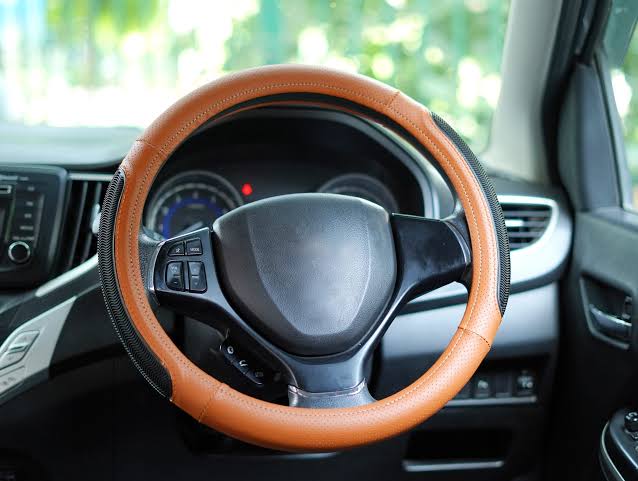
You’re cruising comfortably on the Lagos-Ibadan Expressway, music on, speed steady at 100km/h then suddenly, your steering wheel begins to vibrate.
Also Read: Why Do Drivers Sleep on Steering While Driving?
 At first, it feels like a mild shake, but as you accelerate, the vibration worsens, making the entire driving experience uncomfortable, even frightening.
This isn’t just a nuisance. A vibrating steering wheel can signal serious underlying problems with your car problems that could put your safety at risk if ignored. According to the Federal Road Safety Corps (FRSC), poor vehicle maintenance and mechanical faults account for nearly 10% of road crashes in Nigeria. Steering vibrations often fall into this category.
At RoadKing.ng, we believe every motorist should understand what causes these vibrations and how to fix them. Below, we break down the five most common reasons your steering wheel shakes at highway speeds and what you can do about them.
1. Unbalanced Wheels
One of the most common culprits behind steering wheel vibrations is improper wheel balancing.
- How it happens: When tires are installed or rotated without proper balancing, uneven weight distribution occurs. At higher speeds, the imbalance causes the steering wheel to shake.
- Warning signs: Vibration increases as you accelerate past 80km/h; uneven tire wear; humming or buzzing noise.
- Solution: Visit a tire service center for professional wheel balancing. A computer-assisted balancing machine ensures all four wheels carry equal weight distribution.
Pro Tip (RoadKing Standard): Always balance your wheels after tire replacement, rotation, or rim repairs.
2. Wheel Alignment Issues
Poor wheel alignment is another leading cause of vibrations.
- How it happens: Driving regularly on pothole-ridden Nigerian roads can knock your wheels out of alignment. When this happens, the steering struggles to stay centered, causing vibrations and uneven pulling.
- Warning signs: Car pulls to one side; crooked steering wheel when driving straight; rapid tire wear.
- Solution: Get a proper wheel alignment check. Many modern alignment machines use lasers for accuracy.
Pro Tip: Check alignment every 6 months or after hitting a major pothole/curb.
3. Worn Brake Rotors
If your steering wheel vibrates mainly when you brake, the problem likely comes from your brake system.
- How it happens: Over time, brake rotors can become warped due to heat, friction, or poor-quality parts. When the brake pads press against warped rotors, they cause pulsations that transfer to the steering wheel.
- Warning signs: Steering shakes only while braking; squealing or grinding noise; longer stopping distance.
- Solution: Replace or resurface the affected rotors. Always pair new rotors with quality brake pads.
Pro Tip: Avoid sudden hard braking unless necessary, it reduces heat stress on your rotors.
4. Suspension and Steering Problems
Your vehicle’s suspension system is designed to keep your wheels stable and your ride smooth. When parts wear out, they can trigger vibrations.
- How it happens: Worn tie rods, ball joints, or bushings create play in the steering system, leading to shaking at higher speeds.
- Warning signs: Excessive vibration on rough roads; clunking noises when turning; uneven steering response.
- Solution: Have a professional mechanic inspect your suspension. Replace worn components immediately to restore stability.
Pro Tip: Don’t ignore minor vibrations, they often signal suspension wear long before a major breakdown.
5. Tire Problems (Uneven Wear or Defects)
Your tires are the only part of your car that touch the road, so when something’s wrong with them, it shows up quickly in your steering.
- How it happens: Uneven tire wear, bulges, flat spots, or low-quality tires often cause steering vibrations. Nigerian roads, with their frequent potholes, speed bumps, and rough patches, make this even more common.
- Warning signs: Visible cracks, uneven tread depth, or bulging sidewalls; vibrations worsen at higher speeds.
- Solution: Rotate tires every 5,000km; replace worn or damaged tires immediately.
Pro Tip: Invest in quality tires, they last longer, perform better, and reduce steering problems.
Bonus Causes (Less Common But Serious)
- Engine or Transmission Mounts: Worn mounts transfer vibration into the steering wheel.
- Axle or Driveshaft Damage: Usually from accidents or hitting large potholes.
- Wheel Bearings: When they wear out, they create rumbling noises and vibration.
Why You Shouldn’t Ignore Steering Wheel Vibrations
A shaky steering wheel isn’t just uncomfortable, it’s dangerous. Left unchecked, it can lead to:
- Loss of control at highway speeds.
- Increased stopping distance due to faulty brakes.
- Premature wear on tires, rotors, and suspension parts.
- Costlier repairs down the line.
According to WHO’s 2022 Global Road Safety Report, mechanical issues like worn tires and brakes contribute significantly to Africa’s high road crash fatality rates. Addressing vibrations early can save lives.
RoadKing.ng Safety Checklist for Drivers
Before your next highway trip, do this quick check:
- Inspect tire pressure and tread depth.
- Ensure wheels are balanced and aligned.
- Check for brake noises or pulsations.
- Listen for clunking sounds in suspension.
- Book regular servicing, prevention is cheaper than repairs.
Conclusion
Your car is always communicating with you. A vibrating steering wheel is its way of saying something’s wrong. Whether it’s unbalanced wheels, alignment issues, worn rotors, suspension problems, or bad tires, don’t ignore it.
At RoadKing.ng, our advice is simple: fix the problem early, drive safely, and protect lives on Nigerian roads.
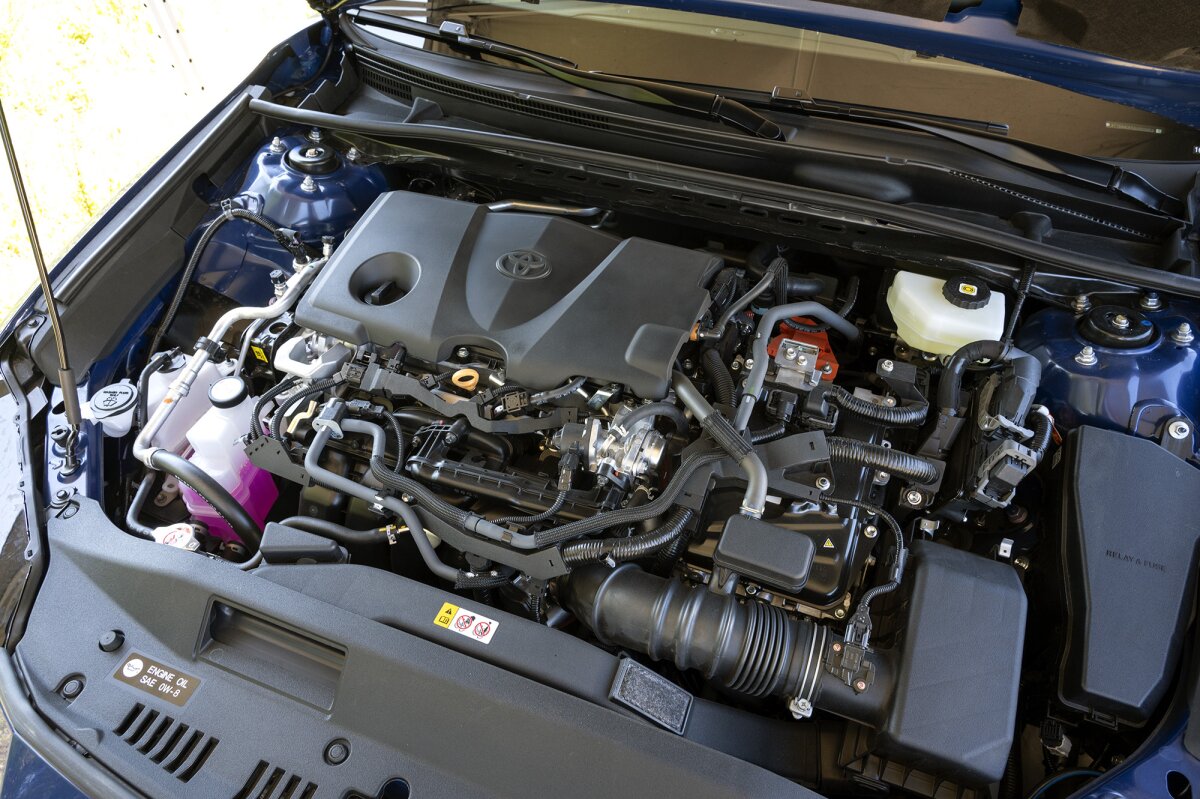
In Nigeria, road accidents are often blamed on bad roads, reckless drivers, or faulty vehicles. However, many motorists overlook one crucial factor, poor car maintenance habits. A vehicle is only as safe as the attention its owner gives it.
Also Read: Tire Maintenance: Essential Tips to Extend Tire Life
According to the Federal Road Safety Corps (FRSC), over 40% of road accidents in Nigeria are linked to vehicle defects such as worn-out tires, faulty brakes, and poor lighting systems. Most of these crashes could have been prevented if drivers paid attention to routine maintenance.
This article highlights 10 essential car maintenance habits every Nigerian driver must practice not just to keep their vehicle running smoothly but to protect lives on our roads.
1. Regular Tire Inspection and Replacement
Tires are the only part of a car that touches the road. Worn-out or underinflated tires can lead to blowouts, especially on highways.
- Tip: Check tire pressure weekly.
- Replace tires every 3–4 years, or sooner if you notice cracks or thinning tread.
- Always carry a spare tire in good condition.
2. Never Ignore Your Brakes
Faulty brakes are a death trap. Many drivers ignore squeaking sounds or grinding noises until it’s too late.
- Tip: Have brakes inspected every 10,000 km.
- Replace worn brake pads immediately.
- If the brake pedal feels spongy, check brake fluid levels.
3. Change Engine Oil Regularly
Engine oil lubricates moving parts and prevents overheating. Dirty or old oil increases engine wear and can cause sudden breakdowns.
- Tip: Change oil every 5,000–10,000 km depending on your car and oil type.
- Always use manufacturer-recommended oil.
4. Keep Lights and Indicators Functional
In Nigeria’s busy cities and dark highways, non-functional headlights, brake lights, or indicators are recipes for accidents.
- Tip: Check lights weekly.
- Replace dead bulbs immediately.
- Clean dirty or cloudy headlamp covers.
5. Replace Worn-out Wipers
During rainy season, poor visibility causes numerous crashes. Old or cracked wipers cannot clear water effectively.
- Tip: Replace wiper blades every 6–12 months.
- Keep washer fluid filled.
6. Monitor Battery Health
Dead batteries can leave you stranded in unsafe locations.
- Tip: Check battery terminals for corrosion.
- Replace batteries every 2–3 years.
- Always turn off lights and electricals when the car is off.
7. Don’t Overlook Suspension and Alignment
Bad suspension affects handling, while poor alignment wears tires unevenly and reduces control.
- Tip: Inspect suspension annually.
- Do wheel alignment and balancing every 5,000–10,000 km.
8. Keep Fluids at Safe Levels
Your car runs on several fluids, coolant, brake fluid, transmission fluid, and power steering fluid. Low levels can cause overheating or failure.
- Tip: Check all fluids regularly.
- Top up or replace according to manufacturer recommendations.
9. Watch Out for Warning Lights
Modern vehicles have dashboard warning indicators. Sadly, many Nigerian drivers ignore them until disaster strikes.
- Tip: Learn your dashboard symbols.
- If the check-engine light comes on, get diagnostics immediately.
10. Schedule Routine Servicing
Skipping servicing to save money is a dangerous habit. Preventive maintenance is always cheaper than repairs or hospital bills.
- Tip: Service your vehicle every 5,000–10,000 km.
- Use certified mechanics or service centers.
Why Maintenance Matters in Nigeria
Nigeria’s harsh driving environment from pothole-filled roads to heavy traffic and hot weather makes maintenance even more critical. Vehicles here face tougher conditions than in many developed countries.
FRSC data shows that drivers who perform routine maintenance are 70% less likely to be involved in preventable crashes. Maintenance is not just about protecting your car; it’s about protecting your life and the lives of other road users.
Conclusion
Your car is like your body: if neglected, it will break down at the worst possible moment. By adopting these 10 car maintenance habits, you not only extend your car’s lifespan but also save yourself from accidents, fines, and expensive repairs.
As RoadKing.ng always emphasizes: “A well-maintained car is a life-saving car.”
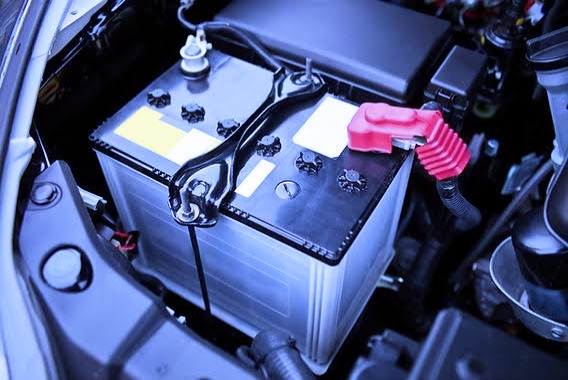
Few things are as frustrating as turning the ignition and hearing nothing but a weak click. For many Nigerian drivers, a dead battery often comes as a surprise, yet the signs of failure are usually clear weeks in advance.
Also Read: Understanding the Conditions for Replacing a Car Battery
Car batteries are the silent lifeline of every vehicle, powering ignition, headlights, wipers, and even the air-conditioning system.
In Nigeria’s hot climate, with frequent stop-and-go traffic, batteries often wear out faster than expected. Recognizing the warning signs early can save drivers from being stranded in unsafe or inconvenient places.
5 Warning Signs of Battery Trouble
1. Slow Engine Crank
If your engine takes longer than usual to start, especially in the mornings, your battery may be losing strength.
2. Dim Headlights and Flickering Electronics
Weak batteries struggle to power lights and electronics. If your headlights appear dim or dashboard lights flicker, the battery is under stress.
3. Warning Light on Dashboard
Most modern cars display a battery symbol when charging or performance issues occur. Ignoring this sign can lead to sudden breakdowns.
4. Unusual Smell (Rotten Eggs Odor)
A leaking or overheated battery may emit a sulfur smell, a clear indicator that it is failing and could pose safety risks.
5. Swollen Battery Case or Corrosion
In extreme heat, the battery casing may bulge, and corrosion on the terminals often signals poor connections and declining performance.
️Nigerian Factor: Why Batteries Fail Faster Here
Nigeria’s hot weather is a major culprit, extreme heat speeds up chemical reactions inside the battery, reducing its lifespan. Combine that with bumpy roads, frequent traffic jams, and inconsistent alternator performance, and most batteries last 18-24 months instead of the global 36-48 months average.
What Drivers Should Do
- Test Your Battery Every 6 Months: Many auto shops and fuel stations offer free battery tests.
- Replace Proactively: Don’t wait for complete failure, if your battery is over 2 years old, start monitoring closely.
- Clean Terminals: Regularly clean off corrosion to improve connections.
- Invest in Quality: While cheaper brands save money upfront, premium batteries often provide better longevity and safety.
Conclusion
Your car battery won’t fail without warning, it gives signs. Being alert to these symptoms and acting early can save drivers from costly roadside emergencies, especially on Nigeria’s highways where help may not be close by.

 Driver Training1 day ago
Top 10 Driving Mistakes Motorists Make
- Car/Vehicle Maintenance24 hours ago
5 Reasons Why Your Steering Wheel Might Vibrate at Highway Speeds
- Skillful driving13 hours ago
Why Drivers Keep Ignoring Traffic Lights
- Crash News2 days ago
BMW 328i 3 Series 2014–Sleek, Powerful & Ready for sale
- Driver Training12 hours ago
Deadly Distraction: Dangers of Phone Use While Driving
- International Crash Report11 hours ago
Gas Truck Explosion Kills Four, Injures 90 in Mexico